

4 Ways to Identify and Meet Your Home’s True Requirements
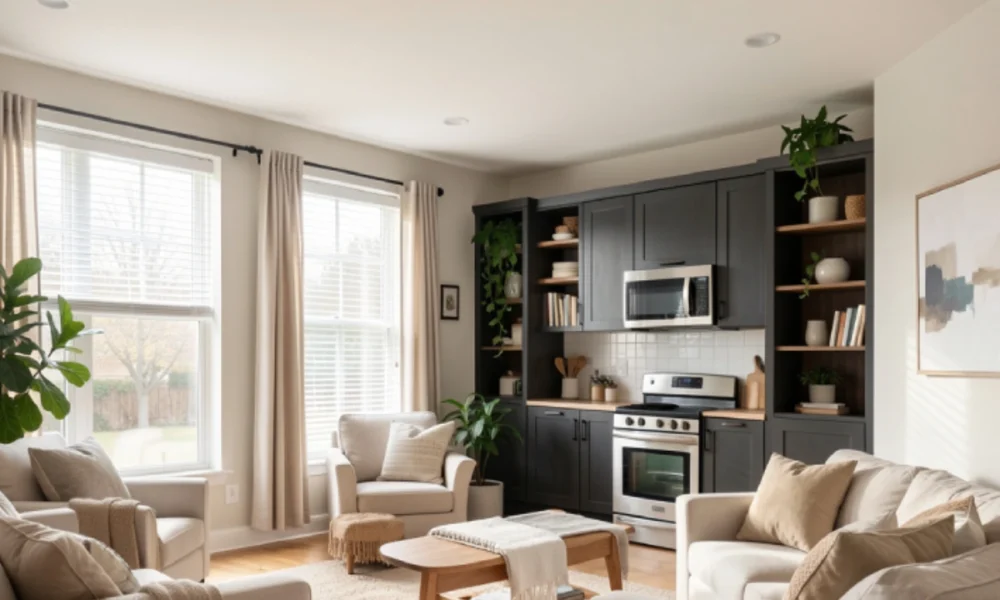
4 Ways to Identify and Meet Your Home’s True Requirements. Making a house work for the people who live in it requires more than good taste. Comfort, practicality, and long-term livability all depend on understanding what your home actually needs — and that starts with honest assessment rather than guesswork. For families who want a space that supports daily life without constant friction, here are four grounded ways to get there.
Table Of Content
Assess Your Lifestyle and How You Actually Use Each Space
The most reliable starting point is observing how your household moves through the home day to day. Which rooms get used the most? Where does clutter consistently accumulate? Are there areas that feel cramped or underused? These patterns reveal your real requirements more accurately than any design trend.
A family with young children needs safe, durable surfaces and easy-to-clean flooring. Someone working from home full-time needs a dedicated area with adequate natural and task lighting, separate from high-traffic zones. Frequent hosts benefit from an open-plan layout with flexible seating. Getting specific about how each family member uses the space prevents costly decisions driven by what looks good rather than what works.
Layout is worth examining separately. If the flow between rooms feels awkward — for example, if the kitchen is isolated from the main living area — décor changes alone will not solve the problem. Identifying structural or layout issues early helps you prioritize the right improvements.
Prioritize Functionality, Storage, and Spatial Flow
Once you understand how your household uses each room, the next step is making sure the space supports those activities without unnecessary obstacles. Functionality should come before aesthetics, not after.
Storage is one of the most consistently underestimated requirements in family homes. Without adequate storage, clutter builds up in living areas, which research consistently links to elevated stress levels and reduced focus. Built-in shelving, ottomans with concealed compartments, under-bed drawers, and wall-mounted units all help keep surfaces clear without sacrificing floor space.
Multifunctional furniture is particularly practical for mid-sized homes. A fold-down desk, a dining table that doubles as a workspace, or a sofa bed in a guest room can meaningfully expand what a room can do. Replacing outdated fixtures with energy-efficient alternatives — LED lighting, modern taps, better insulation — addresses both functionality and running costs at the same time.
Lighting also deserves deliberate planning. Warm-toned bulbs in living and sleeping areas support relaxation, while brighter, cooler lighting suits kitchens and workspaces. Layered lighting — combining overhead, task, and accent sources — gives rooms flexibility across different uses throughout the day.
Choose Window Treatments That Work for Your Space
Window treatments affect multiple aspects of a home simultaneously: natural light levels, privacy, thermal performance, and visual coherence. High-quality blinds and shades are among the more practical investments available for most rooms, yet the choice is often made on appearance alone.
Material selection matters. Cellular (honeycomb) shades are particularly effective at insulating windows, reducing heat loss in winter and heat gain in summer — a meaningful contribution to indoor comfort and energy bills. Faux wood blinds offer similar light control to real wood at better durability in moisture-prone rooms like kitchens and bathrooms. Blackout roller shades are well-suited to bedrooms, where controlling light directly supports sleep quality.
Motorized blinds offer added convenience, particularly for hard-to-reach windows or households with young children where operating cords present a safety concern. Many motorized options are compatible with smart home systems, allowing light control to be automated by time of day.
When selecting window treatments, consider the orientation of each window. South- and west-facing rooms receive more direct sunlight and benefit more from solar-filtering or blackout materials. North-facing rooms often need treatments that preserve rather than block available light.
Plan for Long-Term Comfort, Not Just Immediate Appeal
Short-term decisions that ignore how a home will need to function over the next five to ten years tend to create recurring problems. Comfort planning should account for the physical environment, changing household needs, and the mental experience of being in the space.
Indoor climate control is foundational. A well-serviced HVAC system maintains consistent temperatures and filters indoor air, which directly affects health and sleep. The U.S. Department of Health recommends indoor temperatures between 68°F and 78°F during colder months for households with children or older family members. In dry climates, a whole-home or room humidifier can maintain relative humidity between 30% and 50%, reducing respiratory discomfort and protecting wood furniture and flooring.
Ergonomic furniture is worth the investment for anyone who spends significant time seated at home — whether for work, meals, or leisure. Poor seating posture over time contributes to back and neck issues. Chairs and sofas that provide adequate lumbar support, and desks at appropriate working height, reduce physical strain.
Beyond the physical, the mental experience of a home matters. Studies indicate that cluttered, disorganized spaces correlate with higher cortisol levels, while organized, personalized environments tend to reduce stress. Designating a specific area for quiet activity — reading, writing, or simply sitting away from screens — adds value that no square footage calculation fully captures.
Finally, build in flexibility where possible. A home office that can later become a bedroom, or an open-plan area that can be partitioned as children get older, means the home continues to meet changing requirements without requiring major renovation.
Identifying what your home truly needs is an ongoing process. Priorities shift as households grow and circumstances change. By starting with an honest assessment of how you live, addressing functionality and storage before aesthetics, choosing window treatments suited to each room’s specific conditions, and planning for long-term physical and mental comfort, you give your home the foundation to serve your family well — not just now, but over time.