

Travel Photography Guide: Techniques for Capturing Authentic Moments
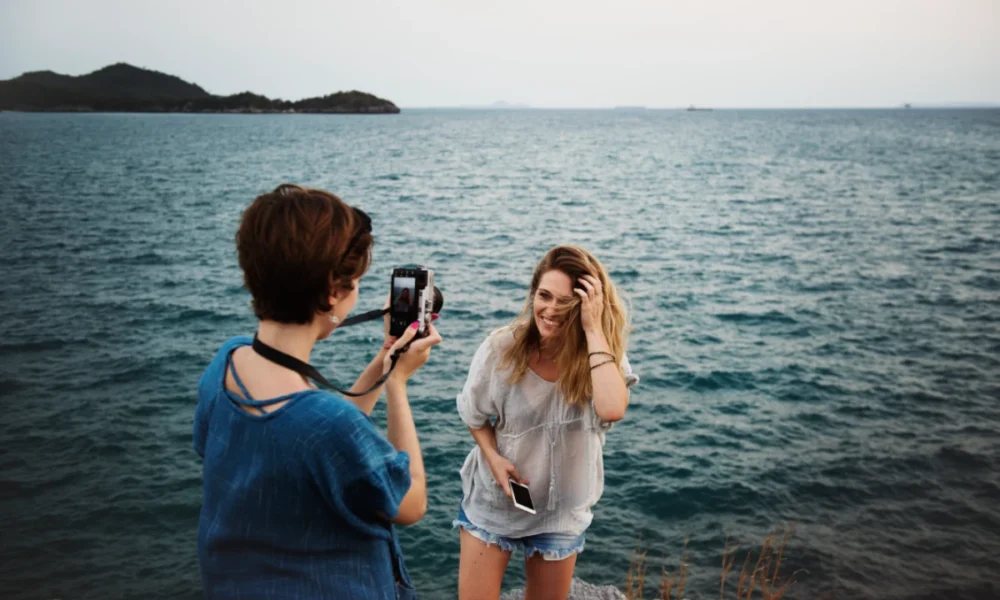
Travel photography preserves memories and shares experiences from around the world. Whether using a professional camera or smartphone, understanding core photographic principles helps create images that convey the atmosphere and character of different destinations.
Table Of Content
- Understanding Camera Settings
- Working With Natural Light
- Applying Composition Principles
- Capturing Different Subject Types
- Landscapes
- Architecture
- Street Photography
- People and Portraits
- Choosing and Using Equipment
- Developing a Shooting Approach
- Post-Processing Photographs
- Photographing Respectfully
- Managing Your Photo Workflow
- Practical Considerations
- Building Your Skills
This guide covers technical fundamentals, compositional approaches, and practical considerations for photographing while traveling.
Understanding Camera Settings
Camera settings determine how light and motion appear in your photographs. Three primary controls work together to create properly exposed images.
ISO controls sensor sensitivity to light. Lower values (100-400) work well in bright conditions and produce cleaner images. Higher values (800-3200+) enable shooting in dim environments but may introduce visible grain.
Aperture manages depth of field through the lens opening size. Wider apertures (f/1.8-f/4) blur backgrounds and work well for portraits. Narrower apertures (f/8-f/16) keep more of the scene in focus, suitable for landscapes.
Shutter speed determines motion rendering. Fast speeds (1/500s or faster) freeze action. Slower speeds (1/30s or longer) can blur movement or require stabilization to prevent camera shake.
Most cameras offer automatic modes that calculate these settings. Manual or semi-automatic modes (aperture priority, shutter priority) provide greater control over the final appearance.
Modern smartphones use computational photography to simulate these effects through software processing.
Working With Natural Light
Light quality significantly affects photograph appearance. The same location can look completely different depending on when and how it’s photographed.
Morning light in the first two hours after sunrise provides soft, directional illumination. Evening light in the hours before sunset creates warm tones and long shadows. These periods often produce flattering results for both landscapes and people.
Midday sun creates harsh, overhead lighting with strong contrast. This can work for architectural photography emphasizing geometric shapes, but often creates unflattering shadows on faces.
Overcast conditions act as a natural diffuser, creating even lighting without harsh shadows. This works well for photographing people and details.
Backlighting (shooting toward the light source) can create silhouettes or, when managed carefully, produce a glowing rim light effect around subjects.
Applying Composition Principles
Composition refers to how elements are arranged within the frame. Several established guidelines help create visually balanced photographs.
Rule of Thirds: Imagining the frame divided into nine equal sections by two horizontal and two vertical lines creates four intersection points. Placing important elements along these lines or at intersections often creates balanced compositions.
Leading Lines: Roads, rivers, fences, or architectural elements that guide the viewer’s eye toward the main subject add depth and direction to photographs.
Framing: Using doorways, windows, arches, or natural elements like tree branches to surround the subject creates context and focuses attention.
Foreground Interest: Including objects in the front of landscape scenes adds depth and scale. This prevents flat-looking images.
Negative Space: Leaving empty areas around the subject can emphasize isolation, scale, or create breathing room in the composition.
These are guidelines rather than strict rules. Understanding them provides options for intentional composition choices.
Capturing Different Subject Types
Different subjects benefit from specific approaches.
Landscapes
Use narrower apertures (f/8-f/16) to keep the entire scene sharp. Include foreground elements to establish depth. Consider using a tripod for maximum sharpness, especially in low light.
Architecture
Parallel lines in buildings can appear to converge when photographed from below. This creates a dynamic effect or can be minimized by positioning the camera level with the middle of the structure.
Details like decorative elements, doorways, or windows often tell as much about a building’s character as wide shots of the entire structure.
Street Photography
Observing daily activities captures authentic local life. A moderate focal length (35mm-50mm equivalent) allows working at a comfortable distance while maintaining a natural perspective.
Being unobtrusive helps capture genuine moments rather than posed situations.
People and Portraits
Connecting with subjects before photographing creates more natural expressions. A brief conversation or smile establishes rapport.
Longer focal lengths (85mm-135mm equivalent) create flattering perspective for portraits by compressing facial features naturally.
Consider the background. Simple, uncluttered backgrounds keep attention on the subject.
Choosing and Using Equipment
No single camera setup suits every situation. The best equipment is what you’ll actually carry and use.
Camera Bodies: Full-frame and crop-sensor cameras offer interchangeable lens systems with manual controls. Mirrorless models tend to be lighter than traditional DSLRs. Many modern smartphones produce excellent results with added convenience.
Lenses: A versatile zoom covering approximately 24mm-70mm (or equivalent) handles most travel situations. This range includes moderate wide-angle for landscapes and slight telephoto for portraits.
Prime lenses (fixed focal length) are often smaller and have wider maximum apertures but require physical movement to change framing.
Support: Compact tripods or tabletop models enable long exposures and self-portraits. Many situations don’t require a tripod if using appropriate shutter speeds.
Storage and Power: Bring sufficient memory cards and batteries. Digital files require more storage than often anticipated.
Protection: Weather-sealed camera bodies and lenses resist moisture and dust. For non-sealed equipment, protective covers or bags help in challenging conditions.
Developing a Shooting Approach
Pre-trip research identifies potential subjects and locations. Looking at existing photographs provides ideas while helping you plan distinctive perspectives.
Creating a mental or written list of desired shots provides direction without limiting spontaneous opportunities.
Arriving at popular locations early avoids crowds and often coincides with better light. Lesser-known spots sometimes provide equally interesting subjects with more flexibility in timing.
Spending time in one location allows observing how light and activity patterns change. This often reveals opportunities that aren’t apparent initially.
Varying your approach creates more comprehensive coverage. Capture establishing shots showing overall context, medium views of specific areas, and close details of textures or objects.
Post-Processing Photographs
Adjusting photographs after capture enhances them without fundamentally altering reality.
Exposure and Contrast: Correcting brightness and adjusting tonal range brings images closer to what you observed.
Color Balance: Adjusting white balance removes unwanted color casts. Fine-tuning individual color channels can enhance mood.
Sharpening and Noise Reduction: Controlled sharpening enhances detail. Noise reduction smooths grain in high-ISO images without eliminating texture entirely.
Cropping: Refining composition by removing distracting edges improves many photographs. This reduces resolution, so capturing images correctly initially preserves maximum quality.
Maintaining a consistent processing approach across images from the same trip creates visual cohesion when viewing them together.
Keep original files unchanged. Working on copies preserves the option to try different processing approaches.
Photographing Respectfully
Sensitivity to local norms and individual preferences matters as much as technical skill.
Always seek permission before photographing people, especially in close-up or portrait situations. Body language and gestures communicate across language barriers. If someone declines, respect that decision immediately.
Research cultural and religious considerations for your destination. Some locations prohibit photography entirely. Others allow it with restrictions on flash, tripods, or specific areas.
Sacred sites and religious ceremonies deserve particular respect. Observe local behavior and follow any posted guidelines. When uncertain, ask or refrain from photographing.
Children require extra consideration. Many parents prefer their children not be photographed by strangers, regardless of location.
Military installations, government buildings, and infrastructure often have photography restrictions for security reasons.
Being courteous and aware creates positive interactions and helps maintain access for future visitors.
Managing Your Photo Workflow
Organization prevents losing photographs and makes them easier to find later.
Back up files regularly using multiple methods. Cloud storage, external drives, or both provide redundancy against device failure or loss.
Renaming files from generic camera designations to descriptive names helps when searching later. Including location and date in filenames creates automatic organization.
Rating or flagging your strongest images while memories are fresh makes later selection easier.
Practical Considerations
Balance photography with experiencing destinations directly. Constant camera focus can prevent fully engaging with places and people.
Weather presents both challenges and opportunities. Rain, fog, or snow create atmospheric conditions that produce distinctive images different from typical sunny-day photographs.
Security matters when carrying camera equipment. Discretion reduces unwanted attention. Insurance protects against loss or damage.
Physical comfort affects shooting ability. Comfortable footwear and weather-appropriate clothing allow spending more time photographing.
Building Your Skills
Improvement comes through regular practice and intentional experimentation.
Try photographing the same subject multiple ways—different angles, lighting, distances, and settings. Comparing results shows what works and why.
Studying work by photographers you admire reveals compositional choices, lighting approaches, and subject selection that creates compelling images.
Understanding what makes certain photographs effective helps develop your own visual awareness and decision-making.
Reviewing your own work critically identifies patterns in what succeeds and what could improve.
Each trip provides opportunities to apply previous lessons and experiment with new approaches. Photography skills develop gradually through accumulated experience and conscious attention to results.