

How Should a Bomber Jacket Fit | The Complete Fit Guide for Men and Women
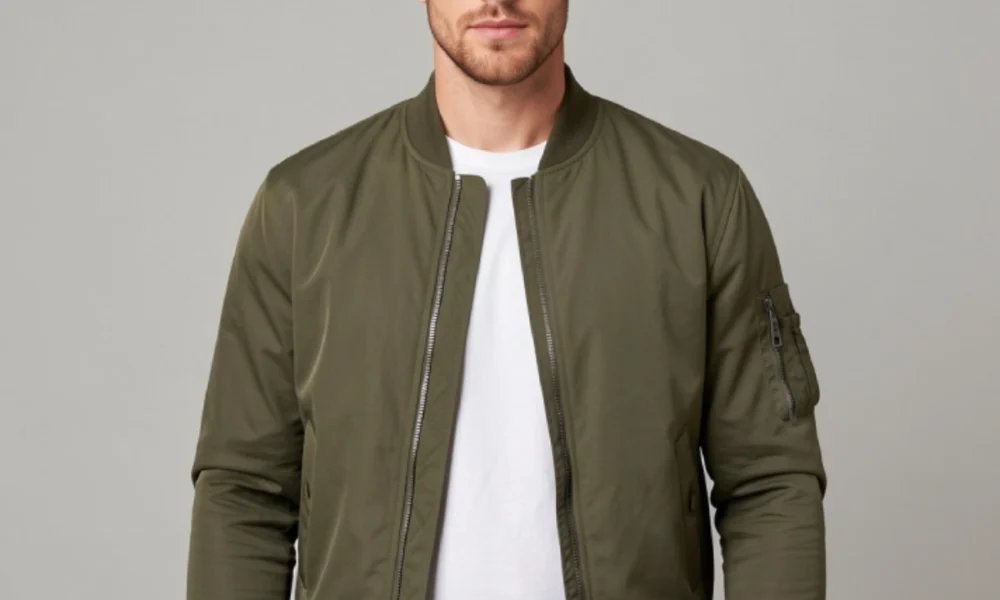
How Should a Bomber Jacket Fit.? A bomber jacket that fits correctly looks intentional, moves with your body, and holds its shape over time. One that doesn’t fit—whether too boxy or too tight—undermines the entire look, no matter the quality of the material. This guide covers every fit checkpoint, from shoulders to waistband, across body types, fabrics, and styling contexts.
Table Of Content
- The Five Key Fit Checkpoints
- Shoulder Seam Alignment
- Chest and Torso Fit
- Sleeve Length and Cuff Fit
- Jacket Length and Ribbed Hem
- Collar and Neckline
- How Armhole Height Affects Mobility
- Fit Recommendations by Body Type
- Slim and Narrow Builds
- Athletic and Broader-Shouldered Builds
- Larger and Broader Builds
- Women’s Fit Considerations
- How Fabric Changes What to Look for When Fitting
- Leather Bomber Jackets
- Nylon and Synthetic Bomber Jackets
- Wool, Suede, and Heavier-Weight Bombers
- Sizing for Specific Bomber Jacket Styles
- Classic MA-1 Nylon Bomber
- Leather A-2 and G-1 Flight Jackets
- Oversized and Fashion Bombers
- Fit for Different Styling Contexts
- Everyday Casual Wear
- Smart-Casual and Office Settings
- Streetwear Styling
- Common Fit Mistakes to Avoid
- How to Measure for a Bomber Jacket
- Frequently Asked Questions
The Five Key Fit Checkpoints
Before factoring in body type or fabric, every bomber jacket should meet five fundamental fit criteria. These apply to classic styles such as the MA-1 nylon bomber, the leather A-2, and the G-1 flight jacket, as well as modern variations.
Shoulder Seam Alignment
The shoulder seam is the single most important measurement point on a bomber jacket. It should sit flush at the outer edge of your shoulder—not drooping down your arm, and not riding up toward your neck. A drooping seam signals a jacket that is too large. A seam that pulls toward the neck signals one that is too small. Neither issue corrects itself with wear, since the shoulder area lacks the stretch capacity of the torso or sleeves. When trying on a jacket, check the seam placement before evaluating anything else—if the shoulders are wrong, the rest of the fit will not compensate.
Chest and Torso Fit
A bomber jacket should follow the contours of your upper body without pressing against the chest or back. When zipped, there should be no visible pulling across the chest, no bunching of fabric at the sides, and no strain at the zipper itself. The ideal chest fit leaves just enough room to layer a t-shirt or thin knit underneath—roughly 2 to 3 inches of ease is the standard benchmark used by most outerwear manufacturers. The jacket should close cleanly without the zipper creating a ripple or bow across the front.
Sleeve Length and Cuff Fit
Bomber jacket sleeves should end at or just past your wrist bone. The ribbed elastic cuff should be visible below the main body of the sleeve; if the cuff is completely covered, the sleeves are too long. Think of it the same way as a suit jacket sleeve: the cuff acts like a shirt cuff and should remain partially exposed for a clean, proportioned finish. The cuff itself should feel snug without restricting circulation. When you raise your arms, it should stay close to your wrist rather than riding up the forearm.
Jacket Length and Ribbed Hem
The body of a bomber jacket should end at or just above the natural waistline, sitting roughly at belt level. If the hem falls below your hips, the jacket is either too long for the style or simply the wrong size. If it rides up above your beltline when your arms are at rest, it is too short. The ribbed waistband should rest flat against your torso without stretching or bunching. When zipped, it should feel snug but not constricting—you should be able to take a full breath without tension across the hem.
Collar and Neckline
Bomber jackets come with two common collar types. The upright rib-knit collar, found on classic military-derived styles, should lightly touch the back of your neck and remain open at the front. The fold-over shirt-style collar, more common on fashion-oriented versions, should sit like a dress shirt collar with a small amount of space between the fabric and your neck. In both cases, the collar should lie flat—no gapping, no choking, no curling outward.
How Armhole Height Affects Mobility
One fit detail that rarely appears on size charts but significantly affects comfort is armhole height. A higher-cut armhole allows you to raise and rotate your arms freely without the jacket’s body lifting with them. Lower armholes—common in more generously cut or budget-priced jackets—tend to pull the entire jacket upward when you reach forward or overhead. When trying on a bomber, roll your shoulders forward and lift one arm. The jacket body should remain relatively stable. If the hem rises significantly or the back pulls tight, the armhole is likely cut too low for your frame.
Fit Recommendations by Body Type
Slim and Narrow Builds
Jackets with excess fabric in the torso will hang away from the body on slender frames, creating a shapeless silhouette. Look for styles described as “slim fit” or “tailored fit,” which follow the body line without clinging. An adjustable or elasticated waistband helps prevent the billowing effect common with standard-cut jackets. Sleeve fit matters equally—sleeves that are too wide will also make the overall proportions look off. If a slim-fit style is not available in your size, consider having the side seams taken in by a tailor; it is a straightforward alteration. Avoid heavily padded or quilted styles, as the added volume can work against a narrower frame.
Athletic and Broader-Shouldered Builds
A V-shaped torso requires a jacket that accommodates the shoulder and chest without excess fabric at the waist. Look for styles that offer a wider chest and shoulder measurement with a slightly tapered waist—some manufacturers refer to this as a “muscle fit.” If a jacket closes cleanly across the chest but pulls at the shoulders, sizing up and having the waist taken in will produce a better result than forcing a smaller size. Jackets with ribbed hems are particularly useful for athletic builds, since the elasticated hem naturally draws in at the waist, accentuating the upper body’s width.
Larger and Broader Builds
A relaxed fit that runs cleanly from the shoulder to the hem creates the most structured and flattering line. Avoid jackets that taper aggressively at the waist, as the contrast between the upper and lower sections can draw attention to the midsection. A straight cut or one with minimal taper works better. Slightly longer jackets that reach just past the natural waistline—rather than ending precisely at it—can also provide a more balanced proportion. Avoid tight waistbands; if the elastic hem requires stretching to close, the jacket is too small. Dark, solid colorways and clean, minimal designs tend to produce the most streamlined appearance.
Women’s Fit Considerations
Women’s bodies generally have a shorter torso, a narrower shoulder span, a more defined waist, and wider hips than the male body types most bomber sizing is designed around. Buying from brands that offer women’s-specific cuts—rather than sizing down in men’s styles—will typically produce a better shoulder and torso fit. The shoulder seam placement is the key checkpoint: women’s bombers should align with the actual shoulder edge, not the broader cut found in most men’s sizes. Cropped bomber styles are designed to end above the natural waist and work well for shorter torsos. For curvier or plus-size frames, styles with contoured side seams and stretch panels offer a more fitted silhouette without sacrificing ease of movement.
How Fabric Changes What to Look for When Fitting
Leather Bomber Jackets
Leather bomber jackets—including cowhide, lambskin, and goatskin styles—should feel slightly firm when new. Genuine leather stretches with repeated wear and conforms to the wearer’s body over weeks and months, so a jacket that feels borderline snug at purchase will typically settle into a comfortable fit after a break-in period. The shoulders and chest stretch the least, so those areas should be sized correctly from the start. Avoid buying leather noticeably tight in the shoulders on the assumption that it will stretch enough to fix the fit—it likely will not. Classic military-derived leather styles such as the A-2 and G-1 are designed with a closer, more structured fit than their nylon counterparts.
Nylon and Synthetic Bomber Jackets
Nylon bombers—including the military MA-1 and its civilian derivatives—are designed with a more relaxed, layerable fit. What you feel in the fitting room is largely what you will get long-term, as nylon does not stretch appreciably. If you plan to wear the jacket over heavier layers such as a hoodie or mid-layer fleece, try it on with those layers present rather than estimating the fit. Synthetic bombers with stretch panels or spandex blends allow closer fits without restricting movement. The jacket should hang smoothly from the shoulders without bunching at the sides or back.
Wool, Suede, and Heavier-Weight Bombers
Wool and suede require accurate sizing from the start. Unlike leather, these materials do not have meaningful stretch or a notable break-in period, so what fits in the store is what you will have long-term. Wool bomber jackets add visible weight and volume, which can affect perceived proportions—if you are between sizes, the smaller size will generally produce a cleaner line. Shoulder fit is especially important in heavier-weight fabrics, as any misalignment becomes more pronounced once the fabric settles under its own weight. Suede is similarly unforgiving of poor shoulder fit and should be tried on with the same attention to shoulder seam placement as you would apply to a structured leather jacket.
Sizing for Specific Bomber Jacket Styles
Classic MA-1 Nylon Bomber
The MA-1 was designed for military aviators and has an intentionally roomier fit to accommodate flight suits and layering. When worn as a standalone garment, it may appear looser than other outerwear styles—this is by design, not a sizing error. Many wearers choose to size down from their usual outerwear size for a trimmer look. The ribbed collar, cuffs, and hem are characteristic features; all three should have visible elasticity without being stretched.
Leather A-2 and G-1 Flight Jackets
Both the A-2 and G-1 are cut closer to the body than the MA-1. These military-specification designs favor a structured, form-fitting silhouette. Shoulder and chest fit should be snug without restricting movement—reaching forward with both arms should not cause the back to pull tight or the hem to rise substantially.
Oversized and Fashion Bombers
Intentionally oversized silhouettes are a distinct fit category and should be approached differently from standard sizing. In an oversized bomber, the shoulder seams will sit past the natural shoulder line—this is deliberate. The key is that the drop should look controlled: shoulders landing one to two inches past the natural line reads as intentional, while a seam sitting mid-bicep looks unplanned. Even in oversized styles, the sleeve length should still end near the wrist, and the hem should not fall past the hip. Balance the volume of the jacket with slimmer trousers or fitted jeans below.
Fit for Different Styling Contexts
Everyday Casual Wear
For daily use, fit can be slightly more relaxed while still meeting the core checkpoints. The jacket should feel easy to put on and remove, comfortable to sit in for extended periods, and capable of layering over a t-shirt or light sweatshirt. The hem should not ride up when seated. A mid-weight nylon or cotton-blend bomber is practical here, offering enough structure to look considered without demanding precision tailoring.
Smart-Casual and Office Settings
When wearing a bomber as a substitute for a blazer in a smart-casual environment, a trimmer fit is more appropriate. The jacket should close cleanly over a button-down shirt, with the collar of the shirt visible above the bomber’s neckline. Sleeve length becomes particularly important in this context—the bomber sleeve should allow a small amount of shirt cuff to show, mimicking the layering logic of a suit jacket. Darker colorways in premium materials such as leather, suede, or fine wool read as more polished in professional settings.
Streetwear Styling
Oversized and exaggerated fits are acceptable within streetwear contexts, but proportion control is still necessary. The standard approach is to contrast a looser upper body with slimmer trousers or tapered joggers below. Even with deliberately dropped shoulders or long sleeves, the hem should not extend below the hips, and the jacket should not obscure the trouser waistband entirely. Proportional balance—not strict adherence to traditional fit rules—is the governing principle here.
Common Fit Mistakes to Avoid
Buying based on chest size alone. Chest circumference is only one measurement. Shoulder width and sleeve length both need independent verification against the size chart.
Ignoring the shoulder seam. Many buyers focus on chest tightness and overlook the shoulder seam entirely. A misaligned shoulder seam cannot be corrected by stretching, breaking in, or alterations without significant cost.
Confusing “relaxed fit” with “oversized.” Relaxed-fit bombers have ease of movement built in; they are not meant to look shapeless. If the jacket sags visibly at the shoulders or hangs like a tent across the torso, it is too large—not a flattering relaxed fit.
Overlooking the back panel. When trying on a jacket, reach both arms forward. The back should remain smooth without a visible horizontal pull line across the shoulder blades. A pull line across the back indicates the jacket is too narrow in the chest or upper back.
Stretching the ribbed hem to close the jacket. If the elastic waistband requires force to sit at its intended position, the jacket is undersized. A waistband under constant tension will lose its elasticity faster and feel uncomfortable throughout the day.
Dismissing sleeve length as cosmetic. Sleeves that are noticeably too long make even expensive jackets look ill-fitting. If the cuff is entirely hidden by the sleeve body, the jacket needs either a shorter sleeve or a different size.
How to Measure for a Bomber Jacket
Taking three measurements before shopping significantly reduces the chance of a poor fit:
- Chest: Measure around the fullest part of your chest, keeping the tape parallel to the floor. Add 2 to 3 inches to determine your target jacket chest measurement.
- Shoulder width: Measure straight across your upper back from the outer edge of one shoulder to the other. This is the measurement most size charts use for shoulder width.
- Sleeve length: Measure from the top of your shoulder down to your wrist bone, keeping your arm slightly bent.
Compare all three against the brand’s specific size chart rather than relying on general S/M/L sizing, which varies considerably between manufacturers.
Frequently Asked Questions
Should a bomber jacket be tight or loose? Neither extreme is correct. A bomber jacket should feel slightly relaxed in the body—enough to layer a t-shirt underneath—while remaining fitted through the shoulders. It should never be so loose it looks borrowed, or so tight the zipper creates tension across the chest.
How do I know if my bomber jacket is too big? The clearest signs are shoulder seams that hang below the natural shoulder edge, sleeves that cover the wrist and extend toward the knuckles, and a hem that falls past the hips. Excess fabric bunching at the sides or back is also a reliable indicator.
Can bomber jackets be tailored? Yes, with limits. Side seams can be taken in to slim the torso, and sleeve length can be shortened. Shoulder width is the most difficult and expensive alteration—if the shoulders do not fit correctly in the store, it is better to try a different size or style.
Should I size up for layering? If you regularly wear mid-layers such as a hoodie or thick knit sweater under outerwear, trying the jacket on with that layer present is more reliable than estimating. Whether to size up depends on how much ease the jacket already has in your standard size.
How should a bomber jacket fit a woman? Women’s-specific cuts are recommended over men’s styles sized down, as they account for the typically shorter torso, narrower shoulders, and wider hip proportions. The shoulder seam should still align with the actual shoulder edge. Cropped styles work well for shorter torsos, while classic-length styles suit longer ones.
Is it normal for a leather bomber to feel tight at first? Yes, to a degree. Genuine leather stretches with wear and will soften and conform over several weeks. A leather bomber that feels slightly firm through the torso at purchase is normal. However, if the shoulders feel tight or the chest pulls significantly when zipped, the jacket is too small—leather will not stretch enough in those areas to correct a notable sizing issue.