

Caribbean Sea Travel Guide: Most Beautiful Places, Beaches & Islands
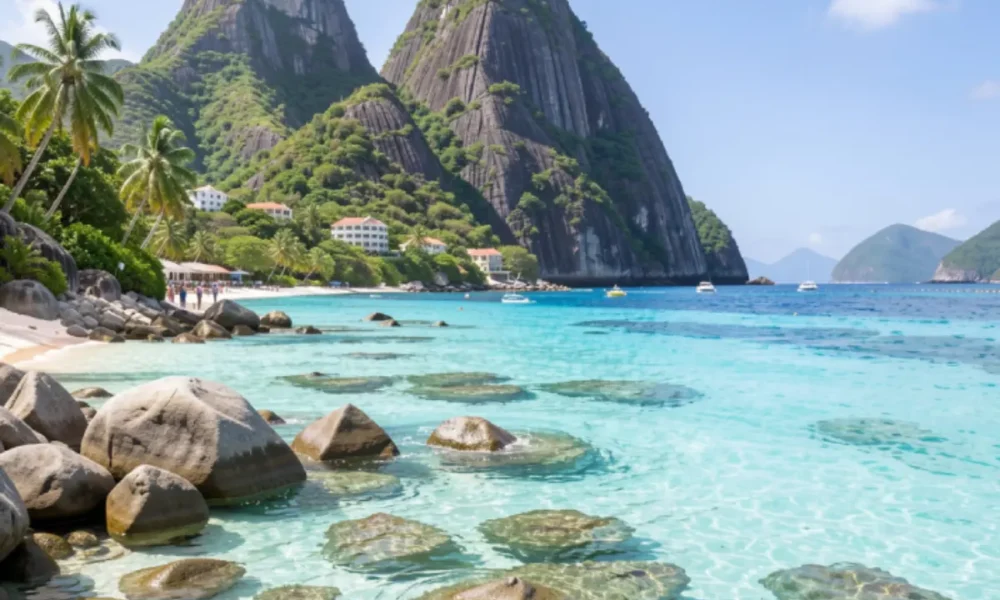
The Caribbean Sea draws more than 32 million visitors each year, according to the Caribbean Tourism Organization — and that number continues to grow. With turquoise waters ranging from pale aquamarine to deep cobalt, powdery white and pink sand beaches, volcanic peaks, and bioluminescent bays, the region offers a range of natural and cultural experiences that few destinations worldwide can match.
Table Of Content
- Why the Caribbean Sea Is Worth Visiting
- Most Beautiful Places in the Caribbean
- Top 5 Beaches in the Caribbean
- 1. Grace Bay Beach, Turks and Caicos
- 2. Seven Mile Beach, Grand Cayman
- 3. Pink Sands Beach, Harbour Island, Bahamas
- 4. Varadero Beach, Cuba
- 5. Shoal Bay, Anguilla
- Best Caribbean Islands for Couples
- Best Caribbean Islands for First-Time Visitors
- What Is the Best Caribbean Island to Visit?
- Hidden Gems in the Caribbean
- Best Activities in the Caribbean
- When to Visit the Caribbean
- Caribbean Ecotourism and Sustainable Travel
Why the Caribbean Sea Is Worth Visiting
The beauty of the Caribbean Sea goes well beyond its beaches. The region spans over 7,000 islands stretching in an arc from the southern tip of Florida to the coast of Venezuela, each with its own distinct personality. Reggae music drifts through the streets of Kingston, Jamaica. French Creole is spoken in the markets of Martinique. Dutch colonial architecture lines the waterfront in Willemstad, Curaçao. Jerk chicken, fresh conch, and rum punch reflect the African, European, and indigenous traditions that shaped Caribbean food.
Underneath the surface, the Caribbean holds some of the most biodiverse coral reef systems in the Atlantic, including one of the world’s largest barrier reef systems in Turks and Caicos. Endangered hawksbill sea turtles, spotted eagle rays, and nurse sharks are common sightings for snorkelers and scuba divers throughout the region.
Most Beautiful Places in the Caribbean
The Pitons, St. Lucia — These two volcanic spires, Gros Piton (771 m) and Petit Piton (743 m), rise sharply from the sea on St. Lucia’s southwestern coast and are listed as a UNESCO World Heritage Site. Hiking trails to the summit of Gros Piton reward those willing to make the climb with panoramic views over the Caribbean Sea.
The Baths National Park, British Virgin Islands — Enormous granite boulders at Virgin Gorda form a series of sea-filled grottoes and tide pools. The geological formation is unlike anything else in the Caribbean and draws visitors for swimming, snorkeling, and exploration.
El Yunque National Forest, Puerto Rico — The only tropical rainforest in the U.S. National Forest System, El Yunque receives over 100 billion gallons of rainfall annually and supports hundreds of native plant and animal species, including the endangered Puerto Rican parrot. Trails lead to waterfalls and cloud-level lookout points.
Flamingo Beach, Renaissance Island, Aruba — Accessible only via a boat transfer from the Renaissance Aruba Resort, this private beach is known for its resident Caribbean flamingos. The birds roam freely along the shore, making it one of the most photographed beach experiences in the region.
Bahía Bioluminiscente, Puerto Rico — Mosquito Bay on the island of Vieques is consistently ranked among the brightest bioluminescent bays in the world. The glow comes from dense concentrations of dinoflagellates — single-celled marine organisms that emit blue light when disturbed. Kayaking through the bay on a moonless night remains one of the Caribbean’s most remarkable experiences.
Top 5 Beaches in the Caribbean
1. Grace Bay Beach, Turks and Caicos
Grace Bay holds a consistent place among the world’s top-ranked beaches. The sand is fine and white, the water is shallow and calm — ideal for families — and the adjacent Barrier Reef offers excellent snorkeling with minimal boat traffic. Hawksbill sea turtles are frequently spotted just offshore.
2. Seven Mile Beach, Grand Cayman
Stretching approximately 5.5 miles along Grand Cayman’s western shore, Seven Mile Beach has exceptionally clear water and a calm, reef-protected shoreline. First-time snorkelers and underwater photographers are well served here. The beach is lined with restaurants and watersports operators.
3. Pink Sands Beach, Harbour Island, Bahamas
The distinctive blush color of this three-mile stretch comes from crushed coral and the shells of microscopic foraminifera mixed into the sand. Early mornings, before crowds arrive, offer the clearest views of the color contrast between sand, sea, and sky.
4. Varadero Beach, Cuba
Varadero’s 13-mile coastline along the Hicacos Peninsula is one of the longest in the Caribbean. The beach accommodates a wide range of activities — kitesurfing, catamaran trips, glass-bottom boat tours — and its all-inclusive resort strip makes it a popular destination for families.
5. Shoal Bay, Anguilla
Shoal Bay East is a quiet, arc-shaped beach with powdery white sand and shallow, calm water. The southern end is less visited and well-suited for kayaking and snorkeling. Anguilla’s strict development limits have kept the beachfront less commercialized than comparable beaches elsewhere.
Best Caribbean Islands for Couples
St. Lucia is the most consistently recommended Caribbean island for honeymoons and romantic travel. Adults-only resorts like Jade Mountain and Sugar Beach, a Viceroy Resort are built into the hillside above the Pitons, with private plunge pools and unobstructed views. Sulphur Springs, a drive-in volcano near Soufrière, adds a memorable excursion option.
Anguilla offers a quieter, more upscale experience. The island has a small permanent population, no casinos, and strict building height restrictions that keep the atmosphere unhurried. Private beach picnics, fine dining restaurants, and boutique properties like Malliouhana make it an appealing choice for couples who prefer seclusion over nightlife.
Antigua is often cited for its coastline — 365 beaches by common count, though the actual number varies by source — and sailing culture. English Harbour and Nelson’s Dockyard National Park add a strong historical dimension, while the island’s mix of upscale and mid-range accommodation suits different budgets.
Best Caribbean Islands for First-Time Visitors
Jamaica has the most developed tourism infrastructure in the region, particularly around Montego Bay, Ocho Rios, and Negril. English is the official language, direct flights operate from most major North American and European hubs, and the range of accommodation — from large all-inclusive resorts to boutique guesthouses — covers every budget level. Blue Hole, Dunn’s River Falls, and the Blue Mountains are popular natural excursions beyond the beach.
Dominican Republic offers the highest concentration of all-inclusive resorts in the Caribbean, primarily in Punta Cana and the La Altagracia Province. The sheer range of on-site amenities simplifies the first-time Caribbean experience. For those wanting more than resort-only access, the Samaná Peninsula, Los Haitises National Park, and colonial Santo Domingo provide compelling reasons to explore further.
Puerto Rico is an especially practical entry point for U.S. citizens — no passport required, U.S. dollars accepted, and domestic flight regulations apply. San Juan’s Condado district and Isla Verde beach area offer good hotel infrastructure, while Old San Juan’s Spanish colonial fortifications (Castillo San Felipe del Morro and Castillo San Cristóbal) are both free to visit as part of the San Juan National Historic Site.
What Is the Best Caribbean Island to Visit?
There is no single answer — the best island depends on priorities. The comparison below summarizes key distinctions:
Barbados balances beaches with a genuine local culture — Bridgetown, the capital, is a UNESCO World Heritage Site for its colonial architecture, and the island’s rum distillery heritage is well-documented. Grand Cayman offers world-class diving, strong infrastructure, and a safe environment for families. St. Barts remains the Caribbean’s benchmark for luxury, with a French-influenced style and high-end hospitality that justifies the cost for the right traveler.
Hidden Gems in the Caribbean
Playa Rincón, Dominican Republic — A three-mile stretch of near-empty beach on the Samaná Peninsula, accessible only by boat or a rough road. Local fishermen sell fresh catch at beachside shacks, including pescado con coco (fish in coconut sauce).
Smuggler’s Cove, Tortola, British Virgin Islands — A secluded beach away from the main tourist circuit, with clear water and a rocky shoreline that supports good snorkeling. Access requires a short hike down an unmarked path.
Champagne Reef, Dominica — A shallow volcanic vent creates warm, effervescent water that gives the reef its name. The site supports an unusual combination of tropical reef species and thermophilic organisms and is accessible as a shore dive.
Grenada’s interior — Beyond the beaches, Grenada’s rainforest interior holds nutmeg plantations, cinnamon and clove farms, Grand Etang National Park, and Annandale Falls. St. George’s harbor, with its horseshoe shape and pastel-painted market buildings, is widely considered one of the most scenic town centers in the Eastern Caribbean.
Best Activities in the Caribbean
Scuba diving and snorkeling are available throughout the region, with standout sites including Stingray City in Grand Cayman (a shallow sandbar where southern stingrays congregate), the Belize Barrier Reef (accessible from the western Caribbean), and Dominica’s Champagne Reef. St. Lucia’s coral gardens near Anse Chastanet are well-regarded for tropical fish diversity.
Island hopping is practical throughout the Lesser Antilles, where ferry services and short inter-island flights connect neighboring islands. A multi-island itinerary might include Grenada’s spice interior, St. Kitts’ UNESCO-listed Brimstone Hill Fortress, and the bioluminescent bay in Vieques, Puerto Rico.
Whale watching is a genuine attraction in Dominica, which has one of the highest year-round sperm whale populations in the Atlantic. Organized tours depart from Roseau and offer reliable sightings.
Culinary experiences vary significantly by island. Jamaica’s jerk tradition, Barbados’s flying fish dishes, Trinidad’s doubles and roti, and Curaçao’s Indonesian-influenced keshi yena reflect the diverse ethnic histories of each island.
Sailing regattas are a major part of Caribbean travel for sailing enthusiasts. Notable events include the St. Maarten Heineken Regatta (March), Les Voiles de St. Barth (April), and Antigua Sailing Week (late April–early May).
When to Visit the Caribbean
The dry season, from December through April, is considered the best time to visit most Caribbean islands. This period brings consistent sunshine, lower humidity, and minimal rainfall — ideal for beach activities and outdoor excursions. It is also peak season, meaning higher accommodation prices and more crowded beaches.
Shoulder season (May and November) offers a practical balance: weather remains generally pleasant, particularly in the northern and eastern islands, while visitor numbers and room rates drop significantly across most destinations.
Hurricane season runs from June 1 through November 30, with peak activity from August through October. The southern Caribbean islands — Aruba, Bonaire, and Curaçao (the ABC islands) — lie outside the primary hurricane belt and experience reliable sunshine year-round. Trinidad and Tobago is similarly positioned. For travelers visiting other islands during hurricane season, purchasing comprehensive travel insurance with trip cancellation coverage is strongly recommended. Many resorts now offer flexible rebooking guarantees for weather-related disruptions.
Caribbean Ecotourism and Sustainable Travel
Caribbean destinations have increased investment in conservation and sustainable tourism in recent years. Coral reef restoration programs are active in Antigua, Barbados, and Bonaire. St. Lucia has introduced plastic reduction policies across multiple resort zones. Jamaica’s GoldenEye resort operates on solar power and has implemented water conservation measures. Bonaire’s marine park, one of the oldest in the Caribbean, enforces strict no-anchor policies and regulated dive site access to protect its reefs.
Travelers who want to contribute directly can participate in organized beach cleanups run by local NGOs, coral nursery volunteer programs in the Cayman Islands and Belize, or community-based tourism projects in Dominica and Grenada that direct spending to local families rather than large resort operators.
The beauty of the Caribbean Sea is as much about variety as it is about appearance — volcanic islands beside flat coral atolls, rainforests within sight of white sand beaches, and centuries of cultural history written into architecture, food, and music across more than 7,000 islands. Whether the priority is marine biodiversity, luxury accommodation, family-friendly infrastructure, or off-the-beaten-path exploration, the region has a practical answer to it.