

Chevy C6500 Box Truck: Complete Buyer’s Guide & Specs
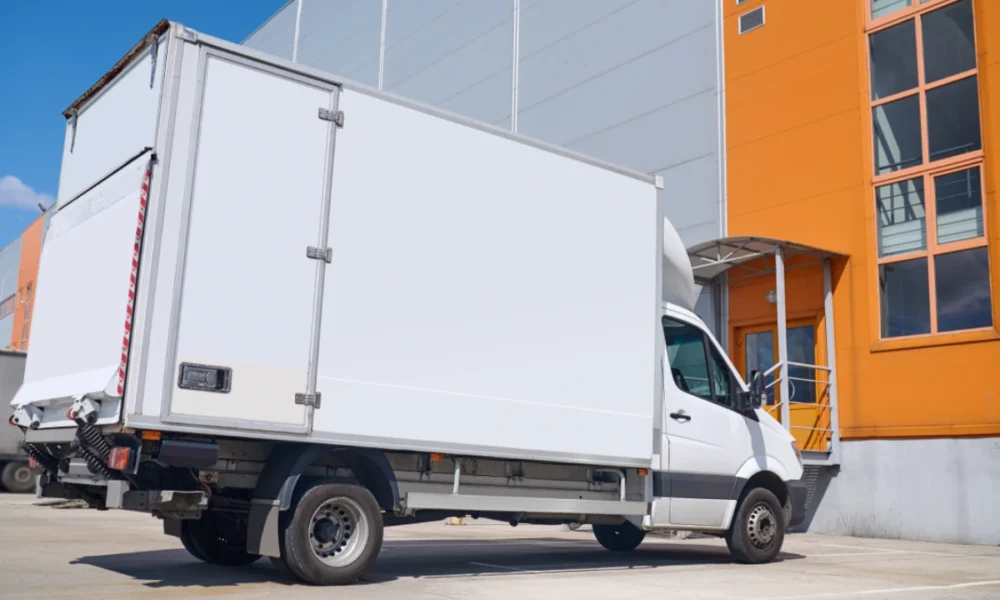
The Chevrolet C6500 box truck stands tall among medium-duty commercial vehicles. This workhorse has built a solid reputation in the transportation industry since its introduction. If you’re a small business owner expanding your fleet or a fleet manager hunting for dependable capacity for heavy loads, you’ll want to know what makes this powerful Class 6 truck tick.
Table Of Content
What Makes the Chevy C6500 Box Truck Special?
This truck belongs to Chevrolet’s medium-duty lineup. The “136” wheelbase measurement in inches affects handling characteristics and determines what size box body can be mounted. This specific configuration works perfectly for urban deliveries and moderate hauling operations.
The truck falls into the Class 6 category with a Gross Vehicle Weight (GVW) rating between 19,501 and 26,000 pounds. This classification matters because many configurations can be driven without a Commercial Driver’s License in most states, depending on your specific model and local regulations. That’s welcome news for small businesses managing driver qualifications.
Most C6500s on today’s used market show significant odometer readings. Don’t let high mileage scare you off immediately. With consistent maintenance, these trucks can deliver reliable service well beyond typical passenger vehicle lifespans.
Key Specifications
Engine Power and Options
The C6500 typically came equipped with the 8.1L Vortec gasoline engine, producing approximately 295 horsepower. This substantial powerplant provides enough muscle to handle heavy loads while maintaining reasonable performance on highways and city streets.
Some models feature diesel options, offering improved fuel economy and potentially longer service intervals. These diesel variants attract strong interest in the used market for their durability and low-end torque characteristics.
The engine pairs with an Allison automatic transmission in most configurations. This commercial-grade transmission handles heavy-duty applications smoothly, providing consistent shifts even under load. The Allison’s reputation for reliability adds significant value to any C6500 equipped with it.
Dimensions and Capacity
With its 136-inch wheelbase, this truck balances maneuverability against cargo space effectively. Box length typically ranges from 16 to 18 feet, accommodating various commercial applications.
The truck’s width and height suit city driving while still offering substantial cargo volume. Box designs usually include roll-up rear doors for easy access in tight spaces and side doors for efficient loading operations.
Payload capacity varies by configuration but generally ranges between 8,000 and 10,000 pounds. This makes it ideal for businesses hauling heavy goods without requiring a larger and more expensive Class 7 truck.
Performance & Capability
Real-World Performance
On the road, the C6500 handles surprisingly well for its size. The turning radius is manageable for a truck in this class, making it suitable for deliveries in suburban and urban environments.
Highway performance is solid, with the ability to maintain highway speeds when needed. It’s built for reliability and steadiness rather than quick acceleration, which suits its commercial purpose.
Fuel economy varies significantly based on load, driving patterns, and engine type. Gasoline models typically achieve 7-9 mpg, while diesel versions may reach 9-11 mpg under similar conditions. These figures are standard for this class of commercial truck.
Common Issues to Watch For
The P0342 cam sensor error frequently appears with the 8.1L Vortec engine. This issue can cause rough idling, stalling, or difficulty starting. Replacing the cam sensor is relatively straightforward and affordable for most repair shops.
Airline issues represent another common concern, particularly in high-mileage examples. The air brake system depends on properly functioning lines, so regular inspection is essential for safe operation.
Tire wear patterns reveal important information about alignment and suspension condition. Uneven wear might signal problems with steering components or axles that warrant immediate attention.
Towing and Hauling Capabilities
The C6500’s towing capacity makes it versatile for businesses that occasionally need to pull trailers. With appropriate equipment, it can handle trailers weighing up to 10,000 pounds in addition to its payload.
The reinforced frame and powerful engine work together to make heavy hauling manageable. Whether you’re moving construction materials, retail inventory, or bulky furniture, this truck delivers consistent performance.
Buying Guide: What to Look For
Inspection Checklist
When shopping for a used Chevy C6500, start by checking the odometer. Many examples show high mileage. This isn’t automatically a deal-breaker, but it should influence your price expectations and maintenance planning.
Always run a VIN check to verify the truck’s history. This uncovers any accidents, flood damage, or title issues that might not be obvious during visual inspection.
Examine the title status carefully. Some C6500s might be listed as “miles exempt,” which is common for commercial vehicles of this age and class. This status means you’ll need to rely more heavily on physical inspection and maintenance records.
Mechanical Inspection Points
Test all functions of the Allison transmission. Shifts should be smooth and decisive. Any hesitation, slipping, or unusual noises warrant further investigation by a qualified mechanic experienced with commercial trucks.
Check the air brake system thoroughly, including lines, tanks, and valves. Air leaks create safety concerns and can be expensive to repair depending on location and extent.
Inspect the box for structural integrity. Look for signs of water damage, especially on the floor and lower walls. Verify that all doors operate smoothly and seal properly when closed.
Price Expectations
Prices for used C6500 box trucks vary widely based on condition, mileage, maintenance history, and geographic location. Budget appropriately for your specific market and the truck’s condition.
Remember that the purchase price represents just one component of total ownership cost. Plan for regular maintenance, which will be more frequent and costly than passenger vehicle service.
Maintenance & Upgrades
Routine Maintenance Schedule
The 8.1L Vortec engine requires regular oil changes every 5,000 to 7,500 miles, depending on operating conditions. Heavy loads and stop-and-go driving demand more frequent service intervals.
Check air filters monthly and replace as needed. In dusty environments, replacement may be necessary every few months.
Brake system maintenance is critical for safety. Have the air brake system inspected by a qualified technician every 25,000 miles, including brake shoe adjustment and valve testing.
Long-Term Durability
With proper care, the 8.1L Vortec engine can deliver extended service life. This longevity is why these trucks maintain relatively strong resale values in the used commercial market.
The Allison transmission is equally robust, often matching or exceeding engine lifespan when serviced regularly. Transmission fluid and filter changes are recommended every 25,000 to 30,000 miles for severe service applications.
Frame and suspension components generally need minimal maintenance beyond regular inspection and occasional lubrication. However, operation in areas with road salt can accelerate corrosion, making undercarriage washing valuable during winter months.
Popular Upgrades and Modifications
Many owners upgrade lighting systems, replacing original halogen headlights with modern LED alternatives that offer better visibility and reduced power consumption.
Box modifications are common. Some owners add side access doors, interior shelving, or e-track tie-down systems tailored to their specific cargo requirements.
Some operators choose to “bob” the truck by shortening the frame and wheelbase for improved maneuverability in tight spaces. This modification requires professional expertise but can dramatically enhance handling for certain applications.
How It Stacks Up Against Competitors
Comparison with International 4300
The International 4300 offers a similar package with some key differences. International’s DT466 diesel engine has an excellent reputation for longevity and reliability.
However, the C6500 often costs less in the used market, making it more accessible for small businesses and independent operators.
Cab comfort generally favors the International, with more refined ergonomics for all-day driving. The C6500’s interior is functional but more utilitarian by comparison.
Comparison with GMC Variants
The GMC C6500 is mechanically identical to the Chevrolet version. Differences are primarily cosmetic, with variations in grille design and badging.
Both trucks share parts compatibility, simplifying maintenance if you already operate GM medium-duty trucks in your fleet. This common parts availability can reduce inventory costs for businesses maintaining their own vehicles.
Resale values tend to be similar between Chevrolet and GMC variants, with condition and maintenance history having far greater impact than branding.
Is This Truck Right for You?
Ideal Applications
The C6500 box truck excels in urban and suburban delivery roles. Its combination of cargo capacity and manageable dimensions makes it well-suited for businesses navigating city streets while carrying substantial loads.
Landscaping and construction companies value it for equipment transport. The sturdy frame handles machinery weight, while the box protects valuable tools from weather and theft.
Retail delivery operations benefit from the truck’s reliability and the fact that many configurations can be operated without a CDL in numerous jurisdictions. This expands the potential driver pool and reduces training requirements.
Economic Considerations
Operating costs include fuel, maintenance, insurance, and depreciation. While not fuel-efficient compared to smaller vehicles, its durability means slower depreciation compared to some competitors.
Parts availability remains strong, with both OEM and aftermarket support. This helps control repair costs, especially when working with mechanics familiar with GM medium-duty trucks.
The potential for non-CDL operation in many configurations represents significant savings in driver qualification and licensing expenses for numerous business applications.
Final Thoughts
The Chevy C6500 box truck continues serving businesses faithfully years after manufacture. Its blend of durability, reasonable operating costs, and versatile capabilities make it worth considering for many commercial applications.
When shopping for one, prioritize maintenance history over cosmetic condition or odometer reading. A well-maintained truck with higher miles often represents better value than a neglected example with lower mileage.
With proper care and regular service, a C6500 can provide many years of reliable operation, making it a sound investment for businesses needing medium-duty hauling capacity without the expense of newer models.