

How Online Slots Use Random Number Generators to Ensure Fair Play
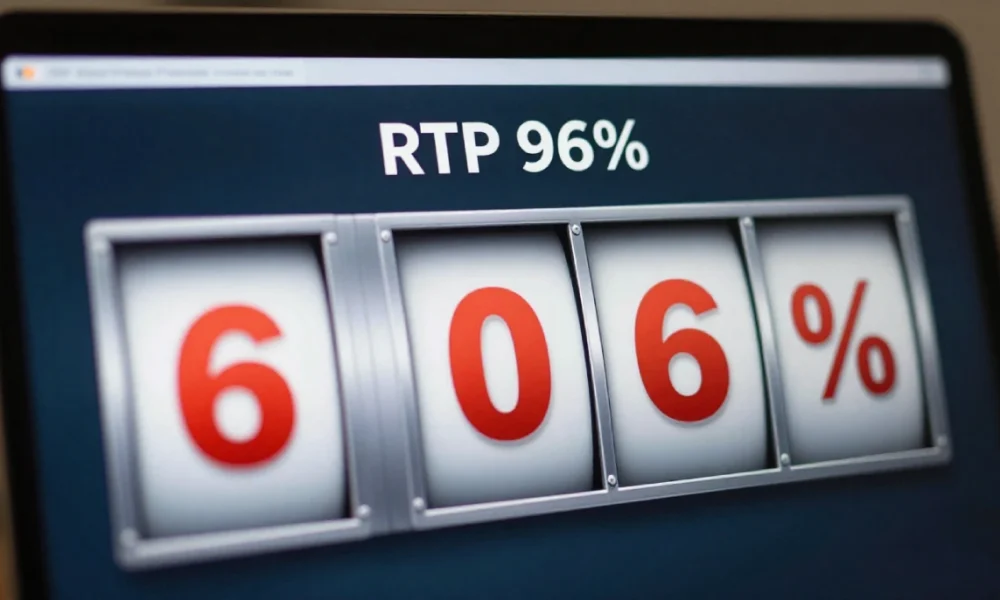
Online slots do not operate on memory, patterns, or human input. Every spin is determined by a random number generator (RNG)—a computational algorithm that produces unpredictable numerical sequences at high speed. These numbers map directly to reel positions, making each outcome statistically independent from every previous spin. Regulatory bodies and independent auditors test these systems to verify they meet certified fairness standards before a game reaches players.
Table Of Content
- The Claim That Slots Are “Rigged” Misunderstands the System
- How the Random Number Generator Actually Works
- What RTP Means and Why It Matters
- Variance and Hit Frequency
- How Independent Auditors Verify RNG Fairness
- Regulatory Bodies That Enforce RNG Standards
- The Difference Between Certified and Uncertified Platforms
- Common Misconceptions About How RNGs Work
- When RNG Certification Is Not Enough
The Claim That Slots Are “Rigged” Misunderstands the System
The belief that online slots are manipulated is widespread, but it conflates two separate things: the house edge (which is real and transparent) and outcome manipulation (which certified platforms are legally prohibited from doing). A slot game can favor the casino mathematically while still producing genuinely random results. Those two facts coexist by design.
The confusion often comes from losing streaks, which feel intentional but are statistically normal in low-hit-frequency games. RNG-based systems do not adjust outcomes based on previous results, account balance, or how long a player has been active. Each spin is isolated.
How the Random Number Generator Actually Works
An RNG in an online slot is a pseudo-random number generator (PRNG)—a deterministic algorithm seeded with a constantly changing value, such as system time or hardware noise. The algorithm produces a sequence of numbers so long and non-repeating that, for all practical purposes, it behaves as truly random.
When a player presses spin, the RNG has already cycled through millions of values per second. The exact number captured at that millisecond maps to a specific reel configuration through a paytable lookup table embedded in the game code. The player’s timing does not change the fairness of this process—there is no “right moment” to spin.
Most regulated slots use the Mersenne Twister algorithm or similar approved PRNGs, which have been mathematically validated for uniform distribution across large sets of numbers. The seed value changes continuously, preventing any external party from predicting upcoming outcomes.
What RTP Means and Why It Matters
Return to Player (RTP) is the theoretical percentage of total wagered money that a slot returns to players over a statistically significant number of spins. A slot with a 96% RTP is mathematically designed to return €96 for every €100 wagered across its full cycle—typically tens of millions of spins.
RTP does not describe what any individual session will return. It is a long-run statistical projection, not a session guarantee. A player can win above RTP in a short session, or lose well below it. Both outcomes are consistent with a functioning RNG.
RTP figures are published by licensed operators and verified during certification. Platforms that hide or misrepresent RTP percentages are a regulatory red flag. Most jurisdictions require this figure to be accessible to players before they wager.
Variance and Hit Frequency
RTP alone does not describe how a slot plays. Variance (also called volatility) measures how results are distributed. A high-variance slot produces infrequent but larger wins; a low-variance slot pays out smaller amounts more regularly. Both can carry the same RTP.
Hit frequency refers to how often a spin produces any winning combination. A game with a 25% hit frequency produces a win on roughly one in four spins, though the win value may be smaller than the amount wagered.
Understanding both metrics helps players choose games that match their risk tolerance. It also clarifies why extended losing streaks can occur in high-variance slots without any manipulation involved.
How Independent Auditors Verify RNG Fairness
RNG certification is not self-declared. Before a slot is approved for public play on a licensed platform, the game’s algorithm must be independently tested by accredited third-party laboratories. These organizations analyze the PRNG output statistically to confirm it produces results within acceptable randomness thresholds.
eCOGRA (eCommerce Online Gaming Regulation and Assurance) is among the most recognized testing bodies in the industry. Others include iTech Labs, BMM Testlabs, GLI (Gaming Laboratories International), and Technical Systems Testing (TST). Each applies standardized test protocols and issues certificates that licensees must maintain.
These audits are not one-time events. Licensed casinos and game developers are subject to ongoing or periodic re-testing, particularly after software updates. The certificate expiry and scope are defined by the issuing body.
Regulatory Bodies That Enforce RNG Standards
Testing labs certify that RNG systems work correctly. Regulatory bodies enforce the legal obligation to use them. The two functions are distinct but interdependent.
The UK Gambling Commission (UKGC) is one of the most stringent licensing authorities globally. Operators holding a UKGC licence must use RNG-certified software, publish RTP figures, and submit to audit rights. The Malta Gaming Authority (MGA) operates under a similar framework and issues licences widely recognized across European markets.
Other notable regulators include the Gibraltar Regulatory Authority, the Kahnawake Gaming Commission in Canada, and the Alderney Gambling Control Commission. Operators licensed by offshore jurisdictions with minimal oversight—or no disclosed regulator—do not carry the same verification standard.
A player evaluating a platform should check the licence number displayed in the site footer and verify it against the regulator’s public register. This is the most direct method of confirming regulatory standing.
The Difference Between Certified and Uncertified Platforms
Not every online slot platform operates under the same standards. The table below outlines key differences between certified and uncertified operators.
| Factor | Certified / Licensed Operator | Uncertified / Unlicensed Operator |
|---|---|---|
| RNG Verification | Independently tested and certified | Self-declared or unverified |
| RTP Disclosure | Legally required and published | Optional or absent |
| Audit Frequency | Periodic or ongoing | None required |
| Regulatory Oversight | Active enforcement body | No enforceable standards |
| Player Dispute Process | Defined formal process | No guaranteed recourse |
| Software Providers | Licensed game studios only | Potentially proprietary or unverified |
Using an uncertified platform does not guarantee manipulation, but it removes the verification infrastructure that confirms fairness. Players have no external basis for trust.
Common Misconceptions About How RNGs Work
Several beliefs about RNG systems persist despite being technically inaccurate.
- “A slot is due for a win.” RNG systems have no memory. A slot that has not paid a jackpot in a long time is not statistically closer to paying one. Each spin is independent.
- “Betting more changes the odds.” Bet size may affect the prize scale and access to bonus rounds, but it does not influence the probability of any given outcome. The RNG operates identically regardless of stake.
- “Slots run hot and cold.” Short-term clusters of wins or losses are a natural product of random distribution. They do not indicate a programmed cycle. Variance produces streaks; RNG does not schedule them.
- “Autoplay outcomes differ from manual spins.” The RNG generates outcomes at the point of spin regardless of whether the player triggered it manually or through an automated sequence. No mechanism differentiates the two.
When RNG Certification Is Not Enough
RNG certification confirms that the algorithm produces random outputs. It does not address every dimension of platform trust. A certified RNG can coexist with predatory bonus terms, withdrawal delays, or misleading advertising.
Players should assess certification alongside other indicators: transparent terms and conditions, verifiable licensing, responsive dispute resolution, and clear withdrawal processes. A certificate from eCOGRA or a comparable body is a necessary indicator, but not a complete guarantee of operator conduct.