

Climate Risk Insurance Coverage for Policyholders
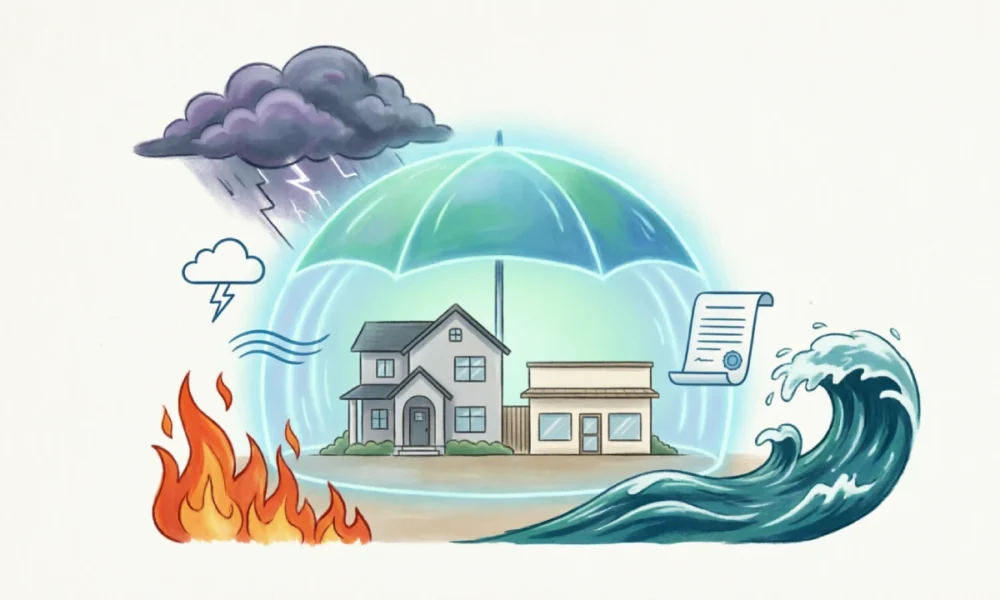
Extreme weather events are no longer rare occurrences. Floods, wildfires, hurricanes, and heatwaves are hitting communities more often and with greater intensity, and the financial toll is landing squarely on the insurance industry. As losses climb, insurers around the world are rethinking how they price, structure, and sell coverage. For policyholders, this shift means new opportunities for protection, but also new costs and complexities. Understanding how climate risk insurance coverage is changing has become essential for anyone who owns a home, runs a business, or simply wants to protect what they’ve built.
Table Of Content
- What Is Climate Risk Insurance Coverage?
- Why Global Insurance Companies Are Increasing Climate Risk Coverage
- How Climate Change Is Affecting Insurance Policies
- Major Climate Risks Covered by Modern Insurance Policies
- How Insurance Companies Assess Climate Risks
- The Role of Insurance Companies in Building Climate Resilience
- New Climate Insurance Solutions Changing the Industry
- What Policyholders Need to Know About Climate Risk Coverage
- How Policyholders Can Protect Their Homes and Businesses From Climate Risks
- The Growing Climate Insurance Protection Gap
- How Insurance Companies, Governments, and Businesses Can Work Together
- The Future of Climate Risk Insurance
- Frequently Asked Questions About Climate Risk Insurance
- Does standard insurance cover climate-related damage?
- Why are insurance companies changing climate coverage?
- Will climate change increase insurance premiums?
- What climate risks are usually covered by insurance?
- How can policyholders prepare for climate-related disasters?
- Is additional climate insurance worth buying?
What Is Climate Risk Insurance Coverage?
Climate risk insurance refers to policies specifically designed to protect against losses caused by climate-related events, such as floods, wildfires, storms, and extreme temperatures. Unlike traditional insurance, which often bundles general property risks together, climate-focused coverage isolates and addresses the specific perils tied to a changing climate. Insurers are building these products because standard policies were never designed to handle the scale and frequency of today’s climate-driven disasters. As losses grow more unpredictable, dedicated climate coverage helps both insurers and customers manage risk more precisely.
Why Global Insurance Companies Are Increasing Climate Risk Coverage
Several forces are pushing insurers to expand their climate offerings. Floods, wildfires, and storms are occurring more frequently and causing more damage than in previous decades, driving up claims and financial losses across the industry. At the same time, customers are demanding better protection as they become more aware of their exposure. Regulators in many countries are also applying pressure, requiring insurers to account for climate risk in their underwriting and disclose their exposure more transparently. Together, these factors are reshaping how coverage is designed and priced.
How Climate Change Is Affecting Insurance Policies
The effects of climate change are showing up directly in policy terms. Premiums are rising in many regions as insurers adjust prices to reflect higher risk. Underwriting practices are becoming more data-driven, with insurers relying on detailed risk assessments rather than broad regional averages. In high-risk areas — coastal zones, wildfire-prone regions, and flood plains — some insurers are limiting coverage or withdrawing altogether. New policies increasingly come with requirements for climate resilience, such as fire-resistant building materials or flood mitigation measures, before coverage is approved.
Major Climate Risks Covered by Modern Insurance Policies
Modern climate-focused policies typically address several key risks:
- Flood and water damage protection, covering losses from rising water levels, heavy rainfall, and storm surges
- Wildfire insurance coverage, protecting properties in fire-prone regions from destruction and smoke damage
- Hurricane and storm-related coverage, addressing wind damage, structural loss, and related disruptions
- Extreme heat and weather-related risks, including damage from heatwaves and related infrastructure strain
- Property damage caused by climate events, covering broader losses tied to shifting weather patterns
These categories often overlap, and many insurers now offer bundled climate riders alongside standard property policies.
How Insurance Companies Assess Climate Risks
To price these risks accurately, insurers rely on advanced tools and data. Climate modeling and predictive analytics allow companies to simulate future scenarios and estimate potential losses. Historical weather data helps establish baselines, while property location and vulnerability assessments determine how exposed a specific asset is to flooding, fire, or storms. Natural disaster forecasting adds another layer of precision, and technology-driven risk management platforms are increasingly used to monitor changing conditions in real time. This data-driven approach allows insurers to move beyond broad regional pricing toward more individualized risk profiles.
The Role of Insurance Companies in Building Climate Resilience
Insurers are no longer focused solely on paying out claims after a disaster strikes. Many are shifting toward a prevention-first model, helping policyholders reduce their exposure before losses occur. This includes offering guidance on climate-resilient property improvements, incentivizing risk-reducing upgrades, and supporting long-term adaptation strategies. By helping customers lower their risk, insurers can also stabilize their own claims costs, creating a mutual incentive for prevention over reaction.
New Climate Insurance Solutions Changing the Industry
The industry is innovating with several new coverage models:
- Parametric insurance, which pays out based on predefined triggers like wind speed or rainfall levels, rather than traditional loss assessments
- Catastrophe bonds and insurance-linked securities, which transfer climate risk to capital markets
- Multi-year insurance coverage, offering longer-term price stability in volatile markets
- Renewable energy and green technology insurance, protecting investments in solar, wind, and other clean energy infrastructure
- Climate-focused commercial insurance products, tailored to businesses operating in high-risk sectors or locations
These solutions reflect a broader effort to make climate risk more manageable and insurable, even as traditional models struggle to keep pace.
What Policyholders Need to Know About Climate Risk Coverage
For individuals and businesses, staying informed is critical. Policyholders should regularly review their existing insurance policies to understand what is and isn’t covered. Coverage limits and exclusions can vary significantly between insurers, so it’s worth checking the fine print carefully. Deductibles and claim requirements also deserve attention, as these can affect how much support is available after a loss. Many policyholders may benefit from evaluating additional climate protection options, especially if they live in a high-risk area. Given how quickly this space is evolving, preparing for future policy changes — including potential premium increases or new requirements — is a smart long-term strategy.
How Policyholders Can Protect Their Homes and Businesses From Climate Risks
Beyond insurance, there are practical steps property owners can take to reduce their risk. Improving property resilience through reinforced structures, better drainage systems, and fire-resistant materials can lower vulnerability significantly. Installing protective systems, such as storm shutters or sump pumps, adds another layer of defense. Reducing disaster vulnerability also means maintaining clear evacuation routes and emergency preparedness plans. Working closely with insurers on risk prevention — rather than only filing claims after damage occurs — can lead to better coverage terms and, in some cases, lower premiums over time.
The Growing Climate Insurance Protection Gap
Not everyone has equal access to affordable climate coverage. In some high-risk regions, insurers are pulling back entirely, leaving homeowners and businesses with limited options. This growing protection gap makes it harder for people to recover financially after a disaster and can depress property values in affected areas. Addressing this gap will likely require closer collaboration between insurers and governments, including public-private partnerships and state-backed insurance pools designed to keep coverage accessible where private markets alone fall short.
How Insurance Companies, Governments, and Businesses Can Work Together
Solving the climate insurance challenge isn’t something insurers can do alone. Regulators and policymakers play a key role in setting standards and supporting affordable coverage options. Collaboration with builders and financial institutions can help ensure that new construction meets climate-resilient standards from the start. Investment in climate-resilient infrastructure — from better flood defenses to updated building codes — reduces risk at a community level. Sharing climate risk knowledge with customers, rather than treating it as proprietary data, can also help policyholders make better-informed decisions about where and how they build.
The Future of Climate Risk Insurance
Looking ahead, the insurance industry is likely to keep evolving alongside the climate itself. Sustainable insurance solutions will continue to grow as insurers seek products that balance profitability with long-term resilience. Artificial intelligence and advanced analytics will play an increasingly central role in risk assessment, allowing for more precise and dynamic pricing. The central challenge will be balancing affordability with adequate protection, ensuring that climate coverage doesn’t become out of reach for the people who need it most. As the climate continues to change, insurance will need to change with it.
Frequently Asked Questions About Climate Risk Insurance
Does standard insurance cover climate-related damage?
Standard policies often provide limited coverage for climate-related events, and many exclude specific perils like flooding or wildfire unless additional coverage is purchased.
Why are insurance companies changing climate coverage?
Rising claims from extreme weather, regulatory pressure, and growing customer demand are driving insurers to update their policies and pricing models.
Will climate change increase insurance premiums?
In many high-risk regions, premiums are already rising as insurers adjust for greater climate-related losses, and this trend is expected to continue.
What climate risks are usually covered by insurance?
Common covered risks include flooding, wildfire, hurricanes and storms, and extreme heat, though coverage varies widely by insurer and region.
How can policyholders prepare for climate-related disasters?
Reviewing policy details, improving property resilience, and maintaining an emergency preparedness plan are all effective ways to prepare.
Is additional climate insurance worth buying?
For those in high-risk areas, additional climate coverage can provide crucial financial protection that standard policies don’t offer, making it a worthwhile consideration.