

Truck Tents: Complete Guide to Truck Bed Camping (2026)
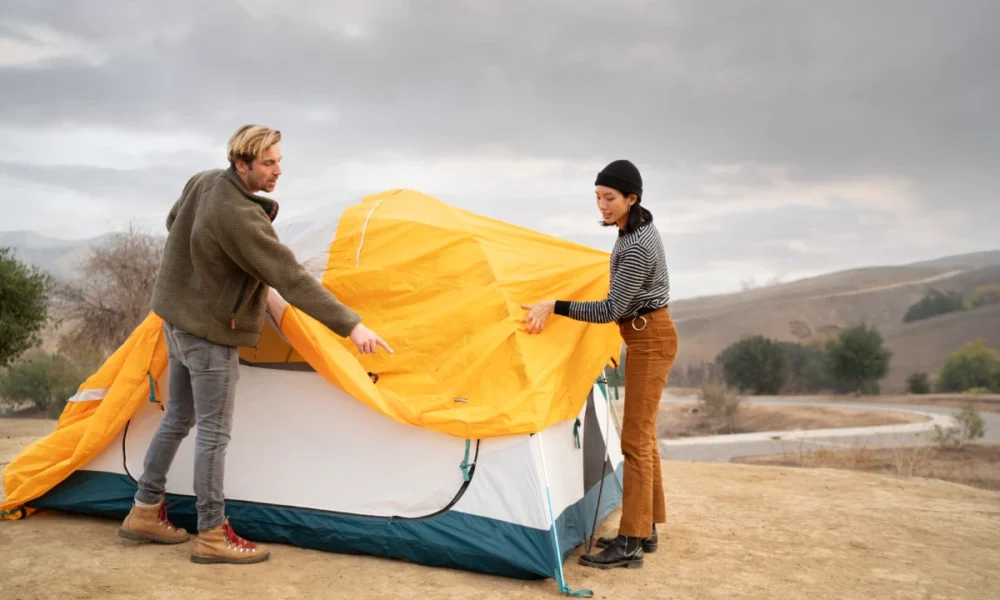
Camping lets you reconnect with nature and experience the outdoors firsthand. For many adventurers, their truck serves double duty as transportation and a mobile shelter. Truck tents offer compact, practical shelter right in your truck bed, turning any accessible location into a potential campsite. This guide covers what you need to know about truck tents for your next camping trip.
Table Of Content
- Introduction to Truck Tents
- Types of Truck Tents
- Rooftop Truck Tents
- Bed Truck Tents
- SUV and Minivan Tents
- Considerations Before Buying a Truck Tent
- Truck Bed Size Compatibility
- Season Rating
- Fabric and Build Quality
- Ease of Setup
- Interior Space
- Ventilation
- Weight
- Optional Accessories
- Setting Up a Truck Tent
- Maintenance and Care of Truck Tents
- Best Practices for Camping with a Truck Tent
- Comparison with Traditional Tents
- Safety and Security Considerations
- Reviews of Top Truck Tent Brands
- Napier Outdoors
- Rightline Gear
- Tuff Stuff
- Kodiak Canvas
- Budget-Friendly Truck Camping Solutions
- Environmental Impact of Truck Camping
- Truck Tents for Overlanding Adventures
- Innovations in Truck Tent Design
- User Experiences and Testimonials
Introduction to Truck Tents
Truck tents (also called pickup tents) are shelters designed to pitch over your truck bed. They anchor to the side rails or wheels, creating a raised sleeping platform. You get ample headroom plus protection from insects, wind, and weather.
These tents maximize your truck bed space for sheltered sleeping off the ground. You can set them up anywhere a truck can access – campsites, trailheads, even remote locations without traditional camping infrastructure.
Truck tents have grown popular among overlanders, anglers, hunters, and outdoor enthusiasts. They offer clear advantages over ground tents:
- Elevated sleeping keeps you off damp ground with better ventilation and prevents moisture from seeping in.
- Efficient space use means the tent collapses into a portable bag when not needed, while fully utilizing your existing truck bed.
- Quick setup takes 5-15 minutes. The anchored design eliminates guide ropes and stakes in most models.
- Added security comes from sleeping off the ground, especially in wildlife areas. Lock valuables in the truck cab for safe storage.
With scenic destinations accessible by truck, these tents appeal to modern nomads who want comfort while exploring off the beaten path.
Types of Truck Tents
Truck tents come in different styles for specific vehicles and needs.
Rooftop Truck Tents
Rooftop tents mount onto your truck, SUV, or vehicle roof. They’re popular with overland travelers wanting rugged shelter with standing room. You can stand inside these tents, which typically include built-in mattresses. The elevated position offers panoramic views. They’re built tough for off-roading with weatherproof designs and strong attachments.
However, you need roof racks or crossbars for installation. Top-heavy weight affects driving performance. Condensation and heat can be issues in some climates. Getting in and out requires climbing, which some users find challenging.
Bed Truck Tents
Bed tents fit over pickup truck beds, anchoring to side rails, tailgate, or wheels. These provide usable space with vertical sidewalls and easy access to both truck cab and bed area. You get adequate headroom to sit comfortably inside. Mesh windows and curtains allow air circulation and privacy. The floorless design lets you access gear stored in the truck bed.
You’ll need an empty truck bed without camper shells or covers. Headroom is more limited compared to rooftop styles. Condensation can build up. Truck size limits how many people can sleep comfortably.
SUV and Minivan Tents
These attach to the rear of SUVs and minivans, using the liftgate or hatch as the entry. You get easy vehicle cabin access and ample space for two or more people. Sewn-in flooring provides comfort and weather resistance. Gear stays locked safely in the vehicle. The lightweight design packs into portable bags.
Your vehicle must stay parked during use. Vehicle size and shape impact interior tent space. Reduced airflow and condensation are potential concerns. Attachment methods vary by vehicle make and model.
Considerations Before Buying a Truck Tent
Here are key factors when choosing a truck tent:
Truck Bed Size Compatibility
Confirm the tent fits your specific truck make, model, and bed length. Most manufacturers provide size charts. Choose a tent that maximizes usable space without overhang.
Season Rating
Tents come in 2/3 season and 4-season variants. Pick appropriate temperature and weather ratings for your planned usage. Four-season truck tents have durable construction for harsh winds, snow loads, and wet winter conditions.
Fabric and Build Quality
Quality tents use ripstop nylon or polycotton canvas for weatherproof durability. YKK zippers, reinforced stitching, and sturdy poles indicate reliable construction. Avoid cheap variants with flimsy materials.
Ease of Setup
Look for tents that pitch in minutes using built-in pole supports and minimal components. Quick assembly matters for hassle-free trips.
Interior Space
Calculate headroom, length, and sleeping capacity to ensure the tent meets your needs. Side cab access via zippered doors and annex rooms provide expanded interior space.
Ventilation
Proper airflow prevents condensation inside the tent. Mesh windows, ceiling vents, and rain flaps allow adjustable ventilation.
Weight
Packaged weight affects portability if you’re transporting the tent to your campsite. Heavier tents typically offer more durability and weather resistance.
Optional Accessories
Interior LED lights, gear lofts, shoe pockets, and plywood flooring add convenience. But these increase the cost – skip unnecessary features.
Setting Up a Truck Tent
Follow this process for a quick, smooth setup:
- Start by removing bed liners, covers, or shells to expose the side rails and the truck bed floor. Check for protruding bolts or sharp edges. Clean the bed area thoroughly.
- Unpack tent components – rainfly, tent body, poles, stakes, and guide ropes if included. Sort them to avoid confusion.
- For tents with sewn-in flooring, spread the floor fabric evenly over the truck bed before assembling poles. Smooth out wrinkles.
- Assemble the collapsible tent poles and thread them through the corresponding pole sleeves in the tent fabric. This creates the structure.
- Use provided straps, hooks, or the built-in tensioning system to securely anchor tent edges to truck side rails and tailgate.
- Fit assembled poles into the corner pockets and the interior seam lines. This raises the tent roof into position.
- Drape the rainfly over the tent and connect its buckles to the corresponding loops on the tent roof for weather protection.
- Do final strap tightening and wall positioning. Close all zippers and stow loose gear inside the tent.
- With practice, most truck tents pitch in 10-15 minutes. Keep the instruction manual handy for initial setup.
Pro Tip: Apply truck bed coating to protect paint from abrasions and add waterproofing under the tent.
Maintenance and Care of Truck Tents
Proper maintenance extends your truck tent’s lifespan.
- Use a mild soap solution and a sponge to clean dirt and stains on walls, roof, and floor. Let it dry completely before packing.
- Collapse the tent and store it in the included carry bag. Avoid long-term storage in humid basements or garages.
- Take down the tent fully to air dry after wet trips before stowing it away. This prevents mold and mildew growth.
- Wipe down tent poles to remove grit and grime after use. Apply lubricants to the section joints if they become difficult to assemble.
- Keep zippers running smoothly by applying silicone or beeswax lubricants. Don’t force jammed zippers – use a toothbrush to clear debris.
- Reapply DWR (durable water repellent) sprays periodically to refresh water resistance on the tent fabric.
- Check for leaks after wet weather use and apply seam sealant on problem areas for waterproof repairs.
With regular care, a quality truck tent serves you reliably for years. Set up the tent at home periodically to inspect for wear and tear.
Best Practices for Camping with a Truck Tent
These tips maximize comfort, convenience, and safety during truck tent camping:
- Line the truck bed with outdoor-rated foam, blankets, or an inflatable mattress for cushioning and insulation against cold from below.
- Elevate your sleeping surface further using compatible cots or hammocks. Choose collapsible platforms with dedicated truck tent attachments.
- Truck tent interiors get dark. Use battery-powered LED string lights or lanterns inside for ambient lighting.
- Store food, electronics, and valuables inside truck cab lockboxes or hard-shell cases. Keep them sheltered from wildlife.
- Never light open fires directly under or close to the tent. Maintain adequate distance from the vehicle.
- Carry spare stakes, guide ropes, and fasteners to reinforce tent stability if wind speeds pick up.
- Keep rainfly doors open as much as possible to allow airflow. Use the provided windows and vents to manage condensation.
- Have a first aid kit, headlamps, a charged phone, blankets, and other emergency supplies on hand.
- Strictly follow Leave No Trace principles when truck tent camping to minimize environmental impact.
With smart camping practices, your truck tent serves as a convenient home base for memorable adventures.
Comparison with Traditional Tents
While ground tents remain camping staples, truck tents offer distinct advantages.
- Truck tents provide shelter wherever a truck can go, without needing flat ground or cleared sites. You can camp in parking lots, roadsides, beaches, and deserts.
- Sleeping elevated improves comfort and ventilation by avoiding damp ground conditions. Condensation is less problematic.
- Your truck’s gas tank supplies continuous power to run lighting, fans, and electronics. No worries about dead batteries for devices.
- You get ample headroom for changing clothes and moving around. You can sit up comfortably inside most models.
- Vital gear and equipment are immediately accessible in the truck bed below the tent. No need to fully unpack at camp.
- Truck tents provide added security at campsites from wildlife since you sleep off the ground. Food stays safe by locking the truck cab.
- Setup and takedown are faster compared to traditional tents since most models eliminate guide ropes and ground stakes.
However, truck tents depend on your vehicle being accessible on site. They can’t be used independently for backcountry trekking or hiking trips where vehicles can’t reach.
Safety and Security Considerations
Truck tent camping has huge advantages, but exercise these precautions:
- Avoid setting up during harsh weather – storms, heavy rain, or high winds. Wait for conditions to improve if possible.
- Pitch your tent away from dead branches, falling hazards, or surfaces prone to flooding. Check the ground thoroughly.
- Fire safety matters. Maintain at least 10 feet of clearance from the tent to fires, grills, or stoves. Don’t leave heating sources unattended.
- For cold-weather use, crack the truck windows slightly while running the heater overnight. This allows airflow and prevents carbon monoxide buildup.
- Keep all food tightly sealed and stowed when not in use. Deposit trash in bear-proof containers where available to avoid wildlife encounters.
- Sleep with pepper spray or air horns within reach in bear country. Make loud noises to alert problematic wildlife to move away.
- Avoid parking or camping under overhanging branches that could crash down in high winds or snow loads.
If strong winds pick up, reinforce tent’s stability with extra guide ropes staked into the ground. Bridge gaps under doors and windows with towels to block drafts. With sound judgment and caution, you can use truck tents year-round for safe, enjoyable camping in varied environments.
Reviews of Top Truck Tent Brands
Here are the leading truck tent manufacturers and their notable products:
Napier Outdoors
Napier pioneered truck tents starting in 1990. They offer an extensive range of truck, SUV, and minivan tents built with high-denier fabrics. Sportz Truck Tent Model 57 Series is Napier’s bestselling truck tent, providing 5 feet of headroom and ample space for up to 5 people. The rainfly door allows easy vehicle cab access. Backroadz Truck Tent Model 13000 sleeps 4 people and features a large awning for shade, a full rainfly for weatherproofing, and dedicated storm flaps to cover windows.
Rightline Gear
Based in Colorado, Rightline Gear produces rugged yet affordable camping solutions. Their tents use quality construction for off-road adventures. Rightline Gear 110730 Full-Size Truck Tent offers floorless setup convenience, allowing truck bed access. The cabin access sleeve lets you reach the vehicle interior. Rightline Gear SUV Tent is uniquely designed for compact SUVs, sleeping 2 adults comfortably. It features a water-resistant PU-coated polyester floor and rainfly for all-weather usage.
Tuff Stuff
Tuff Stuff caters to overlanders and off-road enthusiasts with heavy-duty truck tent models built for harsh conditions. Tuff Stuff Elite Overland Truck Tent provides over 7 feet of headroom and an extendable awning for shade. The 150D ripstop polyester withstands years of rugged use. Dedicated pole pockets make setup easy. Tuff Stuff Alpha Truck Tent fits mid-size truck beds while offering 5 feet of headroom, annex room extensions, and removable side panels for accessibility.
Kodiak Canvas
Renowned for tents engineered with Hydra-Shield canvas, Kodiak offers truck tents with excellent ventilation, durability, and water resistance. Kodiak Canvas Truck Bed Tent features a tunneled wide front entry, roll-up side walls, and a cab access window. The breathable Hydra-Shield canvas prevents muggy interior conditions. High-quality construction makes it suitable for long-term use.
Budget-Friendly Truck Camping Solutions
For the budget-conscious, here are options to enjoy truck camping without major expense:
- Use a basic tarp shelter anchored over your truck bed or improvise with PVC pipes and heavy-duty sheets for cover. Add foam pads and sleeping bags.
- With backseats folded down, SUV rear cargo holds offer surprising capacity for basic camping once outfitted with inflatable mattresses and padding.
- Inflatable truck mattresses with dedicated cavities to insert wheel wells start under $100. Combine with a basic roof-top tent for affordable comfort.
- Suspended truck bed camping hammocks cost less than $200 and include integrated insect nets. Hang from the truck tent anchor points or directly over the truck bed.
- Use budget space or emergency blankets as a moisture barrier for footprints under your sleeping bag if you already have truck bed padding. Fold and reuse them over the years.
Affordable yet versatile truck bed toolboxes double as storage solutions. Use them as seats or tables and organize gear securely. With minimal investment in the right accessories, almost any truck converts into a cozy mobile bedroom for trips near or far.
Environmental Impact of Truck Camping
While truck tents unlock camping anywhere, practice responsible usage to minimize environmental harm:
- Strictly follow Leave No Trace principles when dispersed camping. Avoid vegetation damage and don’t modify natural surroundings.
- For human waste, dig catholes or use portable toilets and pack out waste. Never litter.
- Whenever possible, camp at designated sites. Check regulations to avoid trespassing or vehicle restrictions.
- Contain and remove all trash. Don’t dump food, grease, or pollutants. Participate in beach or forest cleanup efforts.
- When washing or bathing near water bodies, use biodegradable soap and scatter strained dishwater to allow soil absorption.
- Be extremely cautious with fire. Use existing fire rings or mound bare mineral soil if building a new pit. Don’t scorch vegetation or leave fires unattended.
- Avoid revving loud generators for extended periods, as noise pollution disturbs wildlife habits. Use solar power options when feasible.
- Refuel vehicles carefully to avoid gas or oil spills. Carry absorbent pads and cleanup materials in case of accidental leaks.
- Drive and park only in designated areas or existing access roads and trails. Stay on durable surfaces and don’t create new tire tracks.
With mindful use of truck tents on public lands, you can overland responsibly while preserving these landscapes for the future.
Truck Tents for Overlanding Adventures
For traveling across vast continents or traversing nearby trail networks, truck tents match perfectly with overlanding adventures.
- Truck tents transform your vehicle into a comfortable expedition basecamp after long days of driving or activity.
- Since the truck doubles as secure storage, overlanders can carry all necessary gear and supplies for extended off-grid travel.
- The tents provide privacy for changing clothes and a reliable shelter in case of sudden weather changes when far from civilization.
- Sleeping off the ground keeps you insulated from cold temperatures and protected from snakes and pests – important for remote destinations.
- For overlanders, truck tents maximize time spent directly in nature rather than looking for accommodations in towns along the route.
- Unlike rooftop tents, truck bed tents allow continued gear access in the bed and don’t adversely impact driving aerodynamics or handling.
With their durable construction, truck tents are ideal for repeated long-term use in harsh environments during cross-country trips. For overlanders craving sweeping panoramas from secluded campsites, truck tents enable living right alongside nature’s beauty.
Innovations in Truck Tent Design
As truck tents gain popularity, manufacturers incorporate new features and technologies:
- Breathable composite fabrics like polycotton canvas improve ventilation and comfort in condensation-prone truck tents.
- Hard-shell tents made from ABS plastics are extremely durable and tolerate all weather extremes. Hard shells also deter bears.
- Inflatable air beams instead of regular poles make assembly easier and enhance the tent frame’s strength for high wind conditions.
- LED lighting strips and solar panels built into tent exteriors provide ambient nighttime illumination powered by the truck battery or the sun.
- Modular connectors allow certain truck tent components to be swapped out for modifications like side awning extensions or interchangeable doors.
- Telescoping ladder systems enable access to rooftop tents pitched over tall trucks for improved safety and convenience.
- 3D printing for the fabrication of tent components like buckles, clips, pulls, and hooks allows customization and rapid prototyping of new design concepts.
The development of truck tent models capable of accommodating rooftop cargo racks and shells expands carrying capacity for overland trips. The truck tent segment will continue attracting innovation as popularity grows among outdoor recreationists and vanlife enthusiasts.
User Experiences and Testimonials
Real-life truck tent users share valuable insights from experience:
“We opted for a hard-shell truck tent since we camp year-round. The ABS shell has withstood hailstorms and 30 mph winds with no issues, while canvas tents would collapse.” – Greg R., Colorado
“I love how easy it is to set up my SUV tailgate tent in minutes. The sewn-in floor is a plus for rainy days. I can sleep right inside my SUV when I want air conditioning or heating.” ― Teresa F., Arizona
“The ability to access the truck bed from inside my tent has been a game-changer. I have all my equipment safely stored yet easily reachable. I can sleep in on cold mornings!” ― Ricky U., Maine
“The panoramic views from my rooftop tent are just incredible. I feel immersed in nature up there. But it does sway a bit in strong winds. Need to always reinforce with extra tie-downs.” ― Samantha K., California
“I’m a big fan of truck bed hammocks now. It’s surprisingly comfortable sleeping suspended in mid-air, plus they pack down so small. Way faster to set up than a full tent, too!” ― Alex T., Florida
These first-hand experiences highlight how truck tents enable camping in amazing locations with comfort, convenience, and adaptability.