

How Pilates Helps You Lose Weight and Build Lasting Confidence
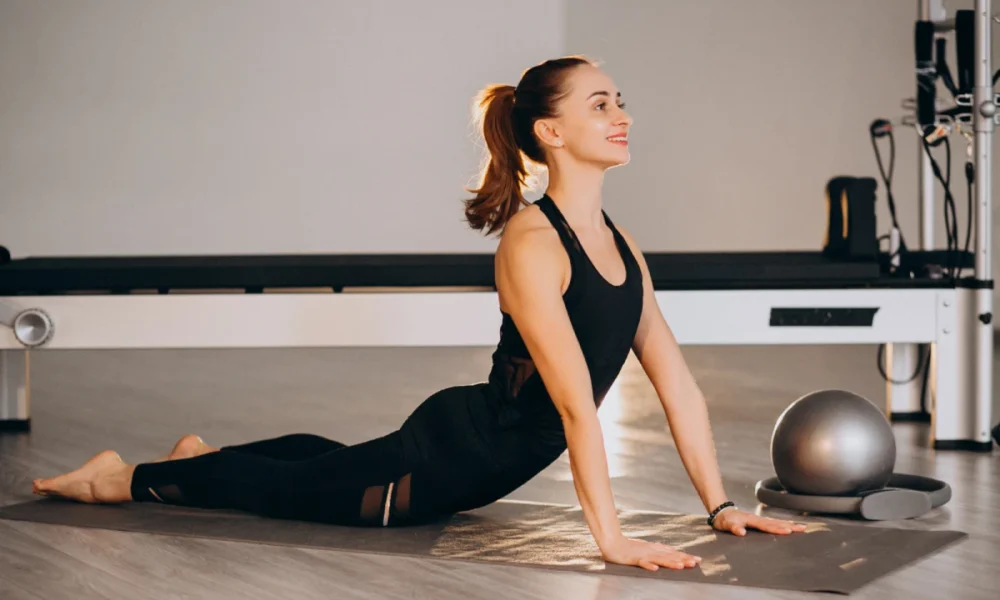
Getting in shape and feeling more confident about your body is a goal for many people. While diet and cardio exercise are essential, Pilates offers a path that can help you lose weight and gain confidence in a balanced way. This low-impact form of exercise builds core strength, muscle tone, and flexibility. With its mind-body approach, Pilates also reduces stress, increases body awareness, and promotes positive self-image.
Table Of Content
- A Brief History of Pilates
- The Many Benefits of Pilates
- Different Types of Pilates
- How Pilates Helps You Lose Weight
- How Pilates Compares to Other Exercises for Weight Loss
- Real Results from Pilates Practice
- How Pilates Builds Confidence
- Pilates Promotes Body Positivity
- Tips to Support Weight Loss with Pilates
- Mindfulness and Meditation Enhance Pilates
- Additional Strategies from Pilates Instructors
- Nutrition Guidelines for Pilates Practitioners
- Common Obstacles and How to Overcome Them
- Essential Pilates Gear for Home
- Pilates for All Body Types and Fitness Levels
- Adapting Pilates for Different Body Shapes
- The Mental Health Benefits of Pilates
- How Pilates Supports Weight Management
- Pilates for Women’s Body Concerns
- Pilates for Male-Specific Goals
- Pilates Equipment for Male Clients
- Celebrities Using Pilates
- Safe and Effective Pilates for Seniors
- Pilates for Weight Management and Confidence in Seniors
- Community Benefits of Group Pilates for Seniors
- Pilates for Rehabilitation Support
- Pilates After Medical Programs
- Precautions and Contraindications
- Conclusion
Pilates supports weight loss by building lean muscle mass, which increases your metabolism and helps you burn more calories throughout the day. The practice combines resistance training with mindfulness, reducing stress-related weight gain while improving body awareness—both factors that contribute to sustainable weight management and increased confidence.
A Brief History of Pilates
Joseph Pilates created this system in the 1920s, focusing on controlled movements that engage the mind as well as the body. Originally called “Contrology,” Pilates aims to strengthen the core, improve posture, and achieve physical and mental balance. Over the decades, it has gained mainstream popularity and is now practiced widely in gyms, studios, homes, and offices. The principles empower you to connect with your body, build strength from the inside out, and achieve an overall state of well-being.
The Many Benefits of Pilates
Pilates develops core strength and stability in your back, pelvis, and shoulders while improving flexibility, balance, coordination, and range of motion. The practice relieves stress and enhances mental focus and concentration. It corrects muscle imbalances and postural issues, rehabilitates injuries, and enhances functional movement.
You’ll likely notice boosted energy levels and better sleep quality. Pilates builds muscle tone and definition without bulk, increases metabolism, and supports fat-burning. Regular practice contributes to both fitness and rehabilitation, making it suitable for almost every age and fitness level when performed with proper technique.
Different Types of Pilates
Several variations exist to achieve different goals.
- Mat Pilates uses gravity and your body weight for resistance on the floor, focusing on core strength, flexibility, and precision.
- Reformer Pilates uses a machine with a sliding carriage and resistance bands to add variable spring resistance, building core stability and muscular endurance.
- Cadillac Pilates is performed on a large apparatus with a bed, springs, bars, and straps, enhancing flexibility, balance, and neuro-muscular coordination.
- Chair Pilates incorporates special equipment with spring-loaded resistance for seated exercises, improving posture, balance, and joint mobility.
- Barre Pilates fuses Pilates principles with ballet-inspired moves for greater mobility, targeting smaller muscle groups for definition.
- Clinical Pilates offers specialized programs supervised by physical therapists for rehab and specific conditions, improving core control and pelvic alignment.
How Pilates Helps You Lose Weight
A regular Pilates routine can support weight loss when paired with a healthy diet. The resistance training builds muscle tissue, which increases metabolism and helps you burn more calories around the clock. Specific moves like plank variations, side kicks, and leg circles target and strengthen common trouble spots, helping reduce overall body fat percentage.
Total body conditioning movements ensure no muscle groups are neglected, contributing to increased calorie burn. The faster tempo of sequences—like jumping jacks on the reformer—provides cardiovascular benefits. The mind-body approach lowers cortisol, which can contribute to fat accumulation around the midsection when elevated.
Pilates helps correct muscle imbalances and poor posture that can sometimes interfere with weight loss progress. The improved body awareness helps you tune into hunger cues and portion sizes, supporting mindful eating for weight management. When combined with healthy eating patterns, Pilates can be effective for losing weight in a sustainable way.
How Pilates Compares to Other Exercises for Weight Loss
While any exercise supports weight loss by burning calories, Pilates provides additional benefits. Running and aerobics burn calories during the workout but do less to build lean muscle that increases metabolism long-term. Pilates resistance training addresses this while offering low-impact variety.
Both Pilates and yoga improve flexibility, but Pilates focuses more on core strength with muscle-sculpting resistance. This can accelerate calorie burn through increased lean muscle mass. Compared to traditional weight training, Pilates targets the core and uses controlled movements for functional strength rather than bulk. The mind-body emphasis also helps develop healthy habits.
Pilates provides more targeted resistance to tone specific areas and requires mental focus throughout—you can’t do it mindlessly like swimming laps. This mental engagement can result in greater awareness and motivation. Pilates complements any cardio or resistance training program and, done regularly, provides comprehensive benefits for weight management and total body fitness.
Real Results from Pilates Practice
People from various backgrounds have incorporated Pilates into their fitness routines with positive results. Some have used mat Pilates for 30 minutes daily and seen significant changes in core strength and metabolism over several months. Others have added reformer Pilates to their routine when they hit plateaus in their weight loss journey, finding that the machines helped increase calorie burn.
Some new mothers have turned to Barre Pilates to regain muscle tone postpartum, while others have added Cadillac Pilates with spring tension to boost lean muscle development when progress stalled despite regular workouts. Many people credit Pilates for improving their body awareness and motivation to make healthier meal choices after struggling with restrictive dieting approaches.
Individual results vary based on consistency, intensity, diet, and starting fitness level. Pilates provides an efficient full-body workout that can support weight management when combined with a balanced lifestyle.
How Pilates Builds Confidence
Achieving fitness goals through Pilates often leads to increased confidence. Developing core strength results in upright, graceful posture, which can make you appear taller and more self-assured. Seeing muscle definition from resistance training provides a sense of accomplishment.
Focusing on being present in the moment reduces anxiety and negative self-talk. The coordination and control over movements create body awareness and appreciation. Overcoming challenges during sequences builds self-efficacy—the belief in your ability to succeed. Endorphins released during exercise relieve stress and induce positive emotions.
Pilates offers an empowering path to confidence that differs from dieting alone. Progress comes from within as you grow stronger, more flexible, and more capable.
Pilates Promotes Body Positivity
The principles of Pilates foster body acceptance. The emphasis is on functionality and how the body feels rather than purely how it looks. Instructors praise inner strength, stamina, and range rather than outward aesthetics. Celebrities like Lady Gaga and Martha Stewart demonstrate that Pilates benefits all body types.
The focus is on self-improvement rather than comparison with others. Setting and achieving personal goals develops contentment. With Pilates principles of breath, control, flow, and precision, you can work toward body positivity and move away from restrictive dieting mentality.
Tips to Support Weight Loss with Pilates
To fully use Pilates for weight management, perform resistance training using springs, magic circles, or bands to continually challenge muscles. Include cardio intervals by adding jumps, jogging, or weights for additional calorie burn. Target all major muscle groups—legs, arms, chest, and upper back—for total body impact.
Practice regularly, even in short sessions of 10-15 minutes, to keep metabolism active. Drink plenty of water, as hydration supports energy and helps prevent overeating. Add HIIT (High-Intensity Interval Training) where appropriate—short bursts of maximum effort can increase calorie burn for hours after a workout.
Do standing sequences like side kicks, lunges, and plies, which require more effort and engage more muscles. Consider morning sessions, as early movement can increase calorie burn throughout the day. With smart programming choices and consistency, Pilates can provide meaningful weight management support.
Mindfulness and Meditation Enhance Pilates
Incorporating mindfulness and meditation into Pilates deepens the mind-body connection. Starting each session with deep breathing exercises centers your mind and relieves stress. Being present during each sequence without distractions helps you get more from the practice.
Using imagery and visualization makes movements more graceful and meditative. Focusing inward blocks out self-criticism. Ending each session by expressing gratitude for your body can shift your perspective positively. Using affirmations can support self-belief.
Mindful movements change not just your body but also your self-image by revealing your capabilities and inner strength.
Additional Strategies from Pilates Instructors
Vary your routine to prevent plateaus by adding new sequences or increasing resistance. Start a fitness journal to track non-scale victories like strength gains to stay motivated. Partner with a friend—you can inspire each other to maintain your practice.
Unplug from technology during sessions to avoid distractions and be more present. Use visualization to imagine your goals while performing sequences. Practice diaphragmatic breathing, which stimulates the vagus nerve for relaxation and can help curb emotional eating. Follow sessions with meditation to compound the mind-body benefits.
Nutrition Guidelines for Pilates Practitioners
Nutrition and movement work together. Stay hydrated with water and herbal tea to control appetite and energize workouts. Eat plenty of fiber from vegetables, fruits, beans, and whole grains to stay satisfied longer. Choose lean proteins like eggs, chicken, fish, and tofu to build and preserve calorie-burning muscle.
Healthy fats like olive oil, avocado, nuts, and seeds satisfy hunger and support overall health. Avoid added sugars, which can lead to energy crashes. Fill up on nutrient-dense foods that provide maximum satisfaction for minimal calories.
Fuel sessions by having protein plus complex carbs 1-2 hours before. Refuel within 30 minutes after with a balanced meal or snack to support muscle repair. Proper nutrition provides energy for effective workouts and supports your Pilates results.
Common Obstacles and How to Overcome Them
Staying motivated on your fitness and weight management journey has its ups and downs. If you hit a weight loss plateau, switch up your workout routine and incorporate HIIT or strength moves. Check your diet for hidden calories.
If you’re not seeing noticeable progress, take measurements since the scale may not reflect muscle gains. Focus on non-scale victories like better sleep or less back pain. If you’re skipping workouts, schedule sessions in your calendar so they’re priorities, not options. Work out first thing in the morning or find an accountability partner.
If you lose motivation, set new goals like mastering an advanced sequence or signing up for a class. Focus on how Pilates makes you feel strong. To manage cravings for unhealthy foods, address stress with yoga, meditation, or supportive friends. Stock up on healthy snacks and make sure you’re getting enough protein, fiber, and water.
If you experience an injury setback, consult a physical therapist. Work around it with modifications or focus on upper or lower body exercises. Use the time to improve your diet. With the right mindset and support system, obstacles can be managed.
Essential Pilates Gear for Home
Pilates is versatile with a range of equipment options. A yoga mat provides cushioning and grip for floor exercises—look for extra thickness. Resistance bands in varying levels can amplify any mat sequence and target specific muscle groups. A foam roller is useful for myofascial release to speed up muscle recovery between sessions.
The magic circle is a versatile circular resistance ring that intensifies core work and upper body workouts. A Pilates ring facilitates controlled leg and arm movements to build strength. Ankle weights of 1-3 pounds add lower-body resistance. Medicine balls from 2 to 10 pounds facilitate challenging full-body exercises. A jump board—a raised platform with adjustable springs—adds rebound and cardio to home workouts.
With the right props, you can recreate the intensity of studio apparatus for powerful home sessions.
Pilates for All Body Types and Fitness Levels
One advantage of Pilates is its suitability for people of all body types and abilities. Beginners can start with basic mat sequences and use props to modify moves, focusing on precision over pace. Plus-size individuals may need modified positions and equipment for comfort. Pilates improves mobility and stability regardless of size.
Tall people need to be mindful of their extra limb length during sequences and focus on control. Seniors benefit from Pilates to improve balance, coordination, strength, and posture at an appropriate pace. Injured people can do Pilates with their doctor’s approval, either fully or modified around their condition.
Pregnant women should opt for low-impact mat Pilates to improve posture and core strength during gestation, with medical guidance. Athletes use Pilates exercises like the plank to develop core power, balance, endurance, and prevent injury. With proper precautions and program customization, Pilates suits a wide spectrum of body shapes and fitness levels.
Adapting Pilates for Different Body Shapes
Pilates programs should be customized based on individual attributes. For pear body shapes, focus on the upper body, chest, and arms to create balance with reformer back rowing and arm work. For apple body shapes, target the core and lower body with plank variations and leg work.
Those with hourglass figures can maintain curves with lateral raises and squats—Pilates creates long, lean lines. Petite frames may need modified sequences to prevent hyperextension, using small apparatuses for comfort. Athletic physiques can add challenge with extra resistance bands, heavier weights, and intensive intervals.
An experienced Pilates teacher can adapt routines to complement each practitioner’s body type.
The Mental Health Benefits of Pilates
Beyond physical fitness, Pilates can support mental well-being. It relieves stress by activating the parasympathetic nervous system to induce calmness. Precise movements cultivate mindfulness and meditative presence. Deep breathing enhances mood and promotes relaxation.
Achieving sequences fosters self-confidence and a sense of control. Social interaction in group classes alleviates isolation and loneliness. Setting and accomplishing goals creates positive emotions and resilience. Endorphins released boost happiness and satisfaction. Overall improvement in health and lifestyle can reduce the risk of depression and anxiety.
Make Pilates part of your self-care routine for whole mind-body wellness.
How Pilates Supports Weight Management
- Pilates creates foundations for lifelong health and sustainable weight management in several ways. It builds lean muscle mass, which increases metabolism to burn more calories around the clock. The more muscular you are, the easier it can be to maintain an appropriate weight.
- The core strengthening helps improve posture and alignment. Good posture supports organ function and facilitates effective digestion. The mind-body connection established through Pilates fosters intuitive eating patterns by helping you tune into your hunger and fullness cues, which can help prevent overeating.
- Pilates relieves stress and anxiety, which can disrupt hormones that regulate metabolism. The increased energy, stamina, and mood from Pilates can motivate you to make healthy food choices and become more active in general. The discipline required to practice regularly may carry over into eating habits, teaching you to have control over choices that affect your weight.
- The abdominal focus can help slim thick waists that are sometimes linked to metabolic conditions. With many direct and indirect benefits, Pilates provides comprehensive support for long-term weight control.
Pilates for Women’s Body Concerns
Women can benefit from Pilates at all stages of life to address health considerations.
For pre- and postnatal care, Pilates strengthens pelvic floor and deep core muscles to aid delivery and recovery. Gentle sequences can be safe for all trimesters when modified appropriately. The practice can help restore abdominal muscle separation and ease back pain, assisting in postpartum healing and weight management.
For menopause support, Pilates helps build bone density to support bone health. It eases hormonal transition with mindfulness and stress relief, may help address menopausal weight and muscle changes, and can improve mood, sleep, and cognition issues.
For monthly discomfort, gentle stretches may alleviate menstrual cramps. Mood-enhancing endorphins can help reduce PMS symptoms. The benefits make Pilates a valuable long-term self-care ritual for women.
Pilates for Male-Specific Goals
While often associated with women, Pilates offers many advantages for men. Functional strength exercises enhance athletic performance in various sports. Injury prevention benefits like rotator cuff strengthening help avoid costly time off. Spine mobilization and postural improvements alleviate back pain.
Stamina, coordination, and balance reduce the risk of falls and fractures. Abdominal focus provides metabolism-boosting waist reduction without bulk. Mind-body emphasis relieves workplace stress.
Male celebrities like football star Aaron Rodgers, boxer Jake LaMotta, and actor Robert Downey Jr. have all credited Pilates for improving their fitness. By providing full-body conditioning without bulk, flexibility along with strength, and mental sharpening, Pilates allows men to become stronger, energized, and more resilient.
Pilates Equipment for Male Clients
Traditional Pilates apparatus can be used by men for intense workouts. The reformer’s sliding platform lets tall users get a full range of motion. Resistance levels on reformers and Cadillacs can be intensified with stronger springs. Larger or heavier barrels, arcs, and rollers accommodate bigger body sizes.
Arm weights, medicine balls, and magic circles provide additional challenges. Men can build upper body strength on the Cadillac using the push-through bar and arm springs. The Pilates Chair facilitates a full-body workout, including “jumping” cardio. Male clients can discuss their fitness goals with instructors to maximize equipment benefits.
Celebrities Using Pilates
Well-known men from diverse backgrounds praise Pilates. Joe Montana, NFL legend, credits Pilates for giving him strength and stability after spinal surgery. Anthony Joshua, the world heavyweight boxing champion, uses Pilates to prevent injuries and increase core power. Singer John Legend turned to Pilates with his wife Chrissy Teigen to regain fitness after having kids.
Novak Djokovic, the tennis champion, credits it for his flexibility, strong core, and mental toughness on the court. David Beckham, a soccer icon, does Pilates as cross-training to build balanced strength while preventing injuries. Seeing male athletes embrace Pilates is reducing outdated biases and showing men everywhere its versatile benefits.
Safe and Effective Pilates for Seniors
Pilates offers seniors many rewards. It improves strength and stamina, enabling them to stay active and independent. Better balance and coordination help prevent dangerous falls. Increased joint mobility and range of motion can provide arthritis relief. Postural improvements alleviate aches and pains.
Pelvic floor strengthening addresses bladder control issues. Mental stimulation enhances memory and cognition. Fun social interaction and community bonding in group classes provide emotional benefits.
To maximize safety and results, seniors should consult their physician before starting Pilates after an illness or injury. Work with instructors experienced in adapting exercises for older bodies. Use modified moves and props as needed to prevent strain. Focus on quality over quantity, precision over pace. Stay hydrated and mindful of physical limitations.
Low-impact yet effective Pilates keeps seniors strong in body and mind.
Pilates for Weight Management and Confidence in Seniors
Many older adults struggle with progressive weight changes and body image concerns. Pilates can help on both fronts. The improved posture and core tone create an immediately more upright, fitter appearance. Building muscle and increasing metabolism can help address age-related changes in body composition.
Pilates’ focus on flexibility supports joint health, which supports many daily activities. The mind-body connection teaches older adults to move with control and purpose. Setting and achieving goals boosts self-efficacy and pride. Social interaction in classes provides emotional benefits and motivation.
While aging brings physical changes, Pilates promotes self-acceptance and belief in one’s continually evolving capabilities.
Community Benefits of Group Pilates for Seniors
Beyond fitness, senior Pilates classes facilitate active community bonding. Shared progress and struggles in a group class build camaraderie and emotional support. Humor and laughter in the classes improve mood and reduce isolation. Seniors motivate each other to keep up their practice and stay consistent.
Instructors become trusted friends and mentors. Meeting new people and forming relationships keeps social circles expanding. A group class provides welcomed structure and activity to look forward to each week. Pairs and small groups working together foster teamwork and collaboration. For holistic well-being, the social support network created through the Pilates community is valuable.
Pilates for Rehabilitation Support
For individuals dealing with illness or injury, Pilates, under proper guidance, can facilitate rehabilitation and fitness. For arthritis, gentle movements with small ranges improve joint mobility. It strengthens muscles around affected joints for stability, and it’s low-impact, avoiding jarring the joints.
For lower back pain, Pilates corrects muscle imbalances and improves core support. Stretching and foam rolling release tight hips, hamstrings, and IT bands that can worsen back pain. Improved posture also minimizes spinal compression.
For knee or hip replacement, Pilates strengthens the surrounding muscles for increased function and stability. The resistance rebuilds stamina and endurance in the recovering joint. Precise movement patterns train mobility and proprioception. With professional supervision, Pilates can facilitate rehabilitation for holistic recovery.
Pilates After Medical Programs
Medical interventions like bariatric surgery or joint replacements represent new beginnings. Post-treatment, Pilates provides an exercise system to support continued transformation. The structured routines give lifestyle direction after intensive programs end. Pilates strengthens and tones recovering bodies.
Low-impact exercises accommodate healing joints and muscles. Mindfulness cultivates self-acceptance. Achieving precision and stamina builds confidence in changing capabilities. Group classes provide a community for continued motivation. By supporting body and spirit, Pilates helps people maximize their health progress.
Precautions and Contraindications
While Pilates offers abundant benefits, some conditions warrant caution. Recent injuries or surgeries may require doctor clearance before starting, with modifications during practice. Issues like disc herniation, spondylolisthesis, or stenosis may preclude certain spine hyperextension positions.
Uncontrolled high blood pressure requires avoiding advanced sequences that greatly increase exertion. Those with osteoporosis should avoid high-impact moves and use light resistance. Some conditions that may require special consideration include recent joint replacements, recent fractures, and advanced pregnancy.
Experienced instructors can guide you on necessary precautions or exercise substitutions for specialized conditions. A consultation helps determine equipment adjustments and routine customization for maximum benefit. Above all, listen to your body’s limits.
Conclusion
Pilates provides an exercise path that can help you work toward sustainable weight management while cultivating self-confidence and body acceptance. With its whole-body resistance training, metabolism-supporting muscle toning, and mind-body awareness, Pilates facilitates both outer and inner growth. It accommodates all fitness levels and body types.
By starting small and practicing regularly, you can experience Pilates’ benefits. Bring dedication, positivity, and consistency, and be patient with yourself in the process. Use Pilates to become stronger, more flexible, and self-assured. The journey can fill you with pride and inspiration to keep building on your progress.