

The Art of Music Genres and Instruments: A Complete Guide
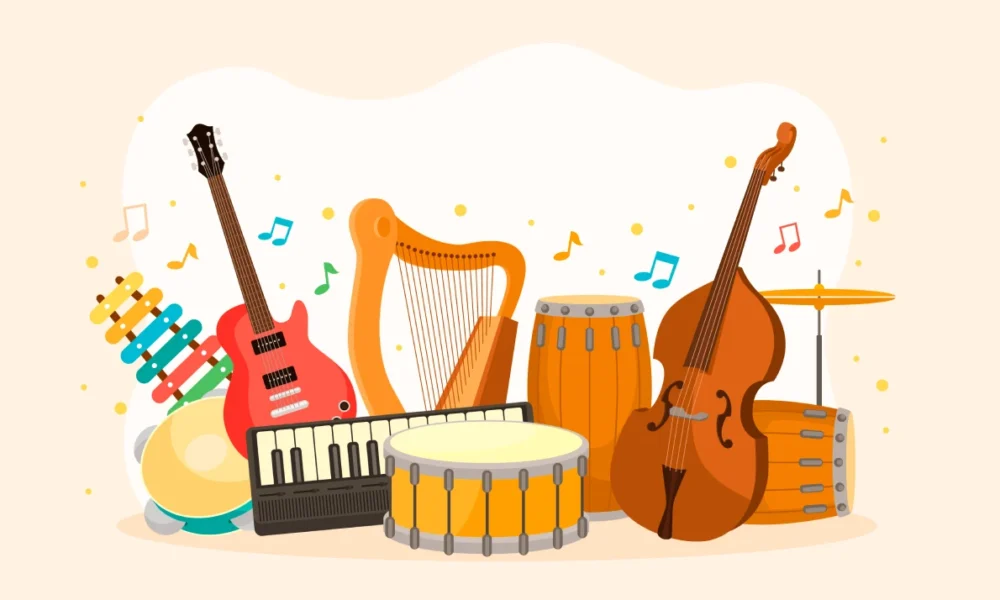
Music surrounds us every day. From the soft piano melody in a coffee shop to the pounding drums at a concert, sound shapes our emotions and connects us across cultures. But have you ever stopped to think about how different styles of music use specific tools to create their unique sounds?
Table Of Content
- What Is the Art of Music?
- Understanding Music Genres
- Classical Music
- Jazz
- Rock
- Pop
- Hip-Hop
- Folk & Traditional Music
- Electronic Music
- Musical Instruments Explained
- String Instruments
- Wind Instruments
- Percussion Instruments
- Keyboard Instruments
- Electronic Instruments
- Relationship Between Music Genres and Instruments
- Cultural Influence of Music Genres & Instruments
- Evolution of Music and Instruments Over Time
- Why Music Genres and Instruments Matter in Art
This guide explores the relationship between musical expression, different styles of music, and the tools musicians use to create sound. Whether you’re a student learning about music for the first time or simply curious about how your favorite songs come to life, this article will help you understand the building blocks of musical creation.
What Is the Art of Music?
Music is a form of artistic expression that uses organized sound to communicate emotions, tell stories, and bring people together. Just like a painter uses colors and brushstrokes, musicians use rhythm, melody, and harmony to create something meaningful.
The “art” of music means more than just making pleasant sounds. It involves:
- Creative expression: Musicians make choices about which notes to play, when to play them, and how loud or soft they should be
- Emotional communication: Music can make us feel happy, sad, excited, or calm without using any words
- Technical skill: Playing an instrument well requires practice, patience, and understanding
- Cultural storytelling: Music often reflects the values, history, and experiences of different communities
Think of music as a language. Just as we use words to express ideas, musicians use sound to share their thoughts and feelings with the world.
Understanding Music Genres
A music genre is a category that groups songs with similar characteristics. These characteristics might include the rhythm pattern, the instruments used, the way vocals are performed, or the emotional mood of the music. Genres help us organize and talk about music. When someone says they like “rock music” or “classical music,” you immediately have an idea of what that music might sound like.
Here’s the important part: genres aren’t strict rules. They’re more like guidelines that help us understand and appreciate different styles. Many modern songs blend multiple genres, creating new and exciting sounds.
Classical Music
Classical music developed in Europe over several centuries, roughly from 1600 to 1900. This genre emphasizes complex compositions, often written down in detailed musical notation before being performed.
Key characteristics:
- Performed by orchestras or small ensembles
- Features intricate melodies and harmonies
- Often instrumental, though vocal works exist
- Follows structured forms like symphonies and concertos
Common instruments: Violin, cello, flute, clarinet, trumpet, French horn, piano, and timpani
Emotional range: Classical music can express everything from joyful celebration to deep sorrow, often within the same piece.
Jazz
Jazz emerged in the early 1900s in African American communities, particularly in New Orleans. This genre celebrates improvisation, meaning musicians create melodies on the spot rather than following exactly what’s written.
Key characteristics:
- Features a “swing” rhythm that makes you want to move
- Musicians take turns playing solos
- Uses complex chords and harmonies
- Encourages personal expression and creativity
Common instruments: Saxophone, trumpet, piano, double bass, drums, and guitar
Emotional range: Jazz can be smooth and relaxing or energetic and exciting, depending on the specific style.
Rock
Rock music exploded in popularity during the 1950s and continues to evolve today. This genre typically features amplified instruments and a strong, steady beat.
Key characteristics:
- Built around electric guitar sounds
- Strong emphasis on rhythm and beat
- Often includes powerful vocals
- Can range from soft ballads to loud, aggressive sounds
Common instruments: Electric guitar, bass guitar, drums, and vocals (sometimes keyboards)
Emotional range: Rock expresses rebellion, passion, joy, anger, and everything in between with raw energy.
Pop
Pop music, short for “popular music,” refers to commercially successful music designed to appeal to wide audiences. This genre constantly changes to reflect current trends.
Key characteristics:
- Catchy melodies that stick in your head
- Clear song structure with verses and choruses
- Focuses on vocals and lyrics
- Uses modern production techniques
Common instruments: Vocals, drums (acoustic or electronic), bass, guitar, keyboards, and synthesizers
Emotional range: Pop music generally aims for positive, relatable emotions that connect with everyday experiences.
Hip-Hop
Hip-hop began in the 1970s in New York City, originally as a cultural movement that included music, dance, and visual art. The music centers around rhythmic vocal delivery called rapping.
Key characteristics:
- Features rhythmic spoken or chanted vocals
- Built on repeated musical patterns called “loops.”
- Often uses samples from other songs
- Strong emphasis on beat and rhythm
Common instruments: Turntables, drum machines, samplers, synthesizers, and sometimes live bass and keyboards
Emotional range: Hip-hop addresses personal struggles, social issues, celebration, and storytelling with powerful directness.
Folk & Traditional Music
Folk music represents the traditional music of specific cultures and communities, passed down through generations. Each region has its own folk traditions.
Key characteristics:
- Often tells stories or preserves cultural history
- Uses acoustic (non-electric) instruments
- Simple, memorable melodies
- Sometimes performed in community settings
Common instruments: Acoustic guitar, banjo, fiddle, accordion, harmonica, and various traditional percussion instruments
Emotional range: Folk music captures the full human experience, from work songs to lullabies to protest anthems.
Electronic Music
Electronic music uses technology to create and manipulate sounds. This broad category includes many sub-genres like techno, house, and ambient music.
Key characteristics:
- Created using electronic equipment and computers
- Can produce sounds impossible with traditional instruments
- Often features repetitive patterns and synthetic textures
- May or may not include vocals
Common instruments: Synthesizers, drum machines, computers with music software, samplers, and electronic controllers
Emotional range: Electronic music can create dreamy, otherworldly atmospheres or driving, dance-focused energy.
Musical Instruments Explained
Instruments are the physical tools musicians use to create sound. Each type of instrument produces sound in a different way, which gives it a unique character or “voice.”
String Instruments
String instruments make sound when their strings vibrate. Musicians can pluck the strings with their fingers, strike them with hammers, or draw a bow across them.
How they work: When you pluck or bow a string, it vibrates back and forth very quickly. These vibrations travel through the body of the instrument, creating the sounds we hear.
Examples: Violin, guitar, cello, harp, banjo, and bass
Role in music: String instruments can play both melody (the main tune) and harmony (supporting notes). In orchestras, strings often carry the main musical ideas. In rock and pop music, guitars provide rhythm and lead parts.
Common genres: Classical music relies heavily on string sections. Folk music features acoustic guitars and fiddles. Rock music centers around electric guitars.
Wind Instruments
Wind instruments produce sound when air vibrates inside them. The musician either blows across an opening or into a mouthpiece with a reed.
How they work: Air flowing through the instrument creates vibrations. The musician controls the pitch (how high or low the note is) by covering different holes or pressing valves.
Examples: Flute, clarinet, saxophone, trumpet, trombone, and oboe
Role in music: Wind instruments often play melodies and add color to musical arrangements. In orchestras, they create different moods. In jazz, saxophones and trumpets often take the spotlight during solos.
Common genres: Jazz features wind instruments prominently. Classical music uses full wind sections. Marching bands showcase brass instruments.
Percussion Instruments
Percussion instruments create sound when struck, shaken, or scraped. This category includes any instrument where you hit something to make noise.
How they work: Striking or shaking the instrument causes it to vibrate, producing sound. Different materials (wood, metal, animal skin) create different tones.
Examples: Drums, cymbals, xylophone, tambourine, maracas, and timpani
Role in music: Percussion instruments provide rhythm and keep the beat steady. They can also add dramatic accents and create special effects. Every genre relies on percussion to drive the music forward.
Common genres: Rock and pop music use drum kits extensively. Latin music features various hand drums. Classical music uses timpani for dramatic moments.
Keyboard Instruments
Keyboard instruments have a row of keys that the musician presses to create sound. Each key produces a different note.
How they work: The mechanism varies by instrument. Pianos have hammers that strike strings. Organs blow air through pipes. Electronic keyboards use digital technology to produce sound.
Examples: Piano, organ, harpsichord, and synthesizers
Role in music: Keyboards can play melody, harmony, and rhythm all at once, making them incredibly useful. A single keyboard player can sound like several instruments combined.
Common genres: Classical music features the piano as a solo instrument. Jazz uses the piano in the rhythm section. Pop and electronic music rely on synthesizers for unique sounds.
Electronic Instruments
Electronic instruments use electricity and digital technology to create or modify sound. This category has grown rapidly with advancing technology.
How they work: Instead of vibrating strings or air columns, electronic instruments use circuits, computer chips, and software to generate sound waves.
Examples: Synthesizers, drum machines, theremins, electric guitars (which combine traditional and electronic elements), and music production software
Role in music: Electronic instruments can imitate traditional instruments or create completely new sounds never heard before. They give musicians unlimited creative possibilities.
Common genres: Electronic dance music depends entirely on electronic instruments. Modern pop uses electronic production heavily. Rock sometimes incorporates synthesizers and effects.
Relationship Between Music Genres and Instruments
The connection between genres and instruments runs deep. Specific instruments don’t just appear in certain genres by accident—they help define what makes each genre unique.
- Instruments shape genre identity: When you hear an electric guitar with distortion, you immediately think of rock music. A saxophone brings jazz to mind. These associations develop because certain instruments are especially good at creating the sounds and feelings that define each genre.
- Genres influence instrument development: As new musical styles emerge, musicians often modify existing instruments or invent new ones to achieve the sounds they want. The electric guitar, for example, was developed partly because early rock musicians wanted a louder, more aggressive sound than acoustic guitars could provide.
- Cross-pollination creates innovation: When musicians bring instruments from one genre into another, exciting things happen. The Beatles’ use of a sitar (traditionally used in Indian classical music) in rock songs opened new creative doors. Hip-hop artists sampling jazz records created fresh connections between genres separated by decades.
- Technical requirements vary: Jazz musicians need instruments that allow for improvisation and quick note changes. Classical music requires instruments that can play together in large groups without overpowering each other. Electronic music needs instruments that can create and layer multiple sounds simultaneously.
- Cultural associations matter: Some instruments carry cultural meaning beyond their sound. The djembe drum connects to West African traditions. The bagpipes represent Scottish and Irish heritage. When these instruments appear in music, they bring their cultural stories with them.
Cultural Influence of Music Genres & Instruments
Music doesn’t exist in a vacuum. It grows from the experiences, values, and creativity of specific communities and cultures.
- Instruments as cultural symbols: Many instruments originated in specific regions and became symbols of those cultures. The steel drum represents Caribbean culture. The shamisen connects to Japanese tradition. The accordion appears in French, German, Italian, and Mexican music, each culture giving it a different role.
- Genres preserve history: Blues music carries the painful history of slavery and segregation in America, but also celebrates resilience and hope. Folk music often tells stories about important events, keeping history alive through song. Country music reflects rural American experiences.
- Music builds community: Genres often develop within specific communities as a way for people to express shared experiences. Hip-hop gave voice to urban youth. Punk rock created a community for those who felt like outsiders. Gospel music strengthens religious communities.
- Cross-cultural exchange: When cultures interact, their music blends too. Latin music influenced jazz. African rhythms shaped American rock and roll. Indian classical music inspired psychedelic rock. These exchanges create rich, diverse musical traditions.
- Instruments adapt to new contexts: When instruments travel to new places, they often change. The guitar, originally from Spain, became central to American blues, country, and rock. African drumming traditions transformed into Caribbean steel drums and modern drum kits.
Evolution of Music and Instruments Over Time
Music constantly changes as society changes, technology advances, and creative minds push boundaries.
- Early instruments were simple: The first instruments used natural materials like wood, animal skins, and bone. Ancient people made flutes from hollow reeds and drums from stretched animal hides. These simple tools could create surprisingly complex music.
- Written music changed everything: When people learned to write music down, composers could create more complex pieces and share them across long distances. This led to the development of classical music and standardized instruments that could play together reliably.
- The industrial revolution brought new materials: Better manufacturing meant instruments could be made more precisely and with new materials like metal valves and keys. This made instruments easier to play and expanded their capabilities.
- Electricity revolutionized sound: The invention of electric guitars, amplifiers, and synthesizers in the 20th century completely changed what was possible in music. Suddenly, a small group of musicians could make sounds as loud as an entire orchestra.
- Digital technology continues the revolution: Computers and software now let anyone create music without owning physical instruments. You can simulate any instrument, combine sounds in new ways, and distribute your music worldwide instantly.
- Genres split and merge: As music evolves, genres divide into sub-genres (rock splits into hard rock, punk rock, alternative rock, and many others) while also combining (country + rap = country rap, jazz + hip-hop = jazz rap).
- Traditional instruments stay relevant: Despite all the new technology, traditional instruments remain important. Classical orchestras still use the same basic instruments they did 200 years ago. Folk musicians value authentic traditional instruments. Sometimes the old ways are still the best.
Why Music Genres and Instruments Matter in Art
Understanding genres and instruments helps us appreciate music more deeply.
- Genres give us a vocabulary: When we can name and describe different styles, we can talk about music more precisely. Instead of just saying “I like this song,” we can explain what makes it work—the driving beat, the interesting harmonies, the unique instrument choices.
- Instruments are like a painter’s tools: Just as a painter chooses between watercolors and oil paints, musicians choose instruments based on the emotions and ideas they want to express. A gentle acoustic guitar creates a different feeling than a screaming electric guitar, even if they play the same notes.
- Musical diversity enriches our lives: Different genres and instruments give us different ways to experience emotions and ideas. Sometimes we need the energy of rock. Other times we want the calm of classical music. This variety makes life more interesting.
- Music connects past and present: When we learn about different instruments and genres, we connect with human history. We hear how people from different times and places expressed themselves. We understand that music is a conversation across generations.
- Creativity requires understanding: Musicians who understand many genres and instruments have more creative options. They can borrow ideas from different styles, combine unexpected instruments, and create something truly original.
- Music builds empathy: Learning about music from different cultures helps us understand and appreciate those cultures. When we listen to traditional Irish folk music or West African drumming, we gain insight into different ways of seeing the world.
Music genres and instruments work together to create the wide variety of sounds we hear every day. Each genre has its character, shaped by the instruments that define it. Each instrument has its voice, finding its home in different musical styles.
Whether you’re listening to a classical symphony, a jazz ensemble, a rock band, or an electronic track, you’re experiencing the result of centuries of musical development. Musicians continue to explore new combinations, push boundaries, and find fresh ways to express themselves through sound.
The next time you listen to music, pay attention to the instruments you hear. Notice how they work together, how they create the mood, and how they give each genre its unique identity. Understanding these relationships helps us appreciate music more deeply and connect with the artistic expression that brings joy to our lives.