

Walker Steven Van Zandt: Guitarist, Actor, Activist Who Changed Music and Politics
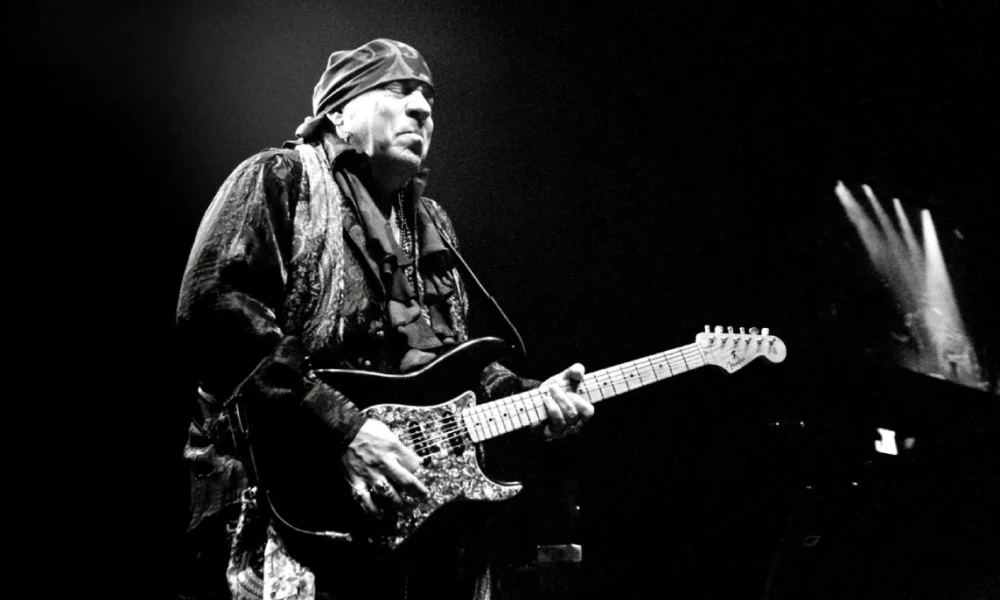
Ever wonder how some people squeeze three lifetimes of achievement into one? Walker Steven Van Zandt has shaped music history as a rock guitarist, created an iconic TV character, and influenced world politics—all while wearing his signature bandana.
Table Of Content
- Who is Walker Steven Van Zandt?
- Early Years: Jersey Roots Run Deep
- The E Street Band: More Than Just Springsteen’s Backup
- From Rock Star to Anti-Apartheid Warrior
- The Sopranos: Becoming Silvio Dante
- TeachRock: Bringing Music Education Back
- The Multi-Dimensional Legacy
- The Rock Authority
- The Man Behind the Bandana
- Why Van Zandt Matters Today
- The Continuing Journey
If you only know Little Steven as Silvio from The Sopranos or as Springsteen’s right-hand man, you’re missing the full picture of one of entertainment’s most fascinating figures.
Who is Walker Steven Van Zandt?
Born November 22, 1950, in Boston, Massachusetts, Walker Steven Van Zandt (better known as Little Steven or Miami Steve) has built a career that reads like three different people’s life stories combined.
As Bruce Springsteen’s longtime guitarist in the legendary E Street Band, Van Zandt helped craft the quintessential American rock sound. As an actor, he stunned audiences with his portrayal of Silvio Dante on The Sopranos—despite having almost no acting experience before landing the role. As an activist, he assembled some of the biggest names in music to fight apartheid in South Africa when many still looked away.
What makes Van Zandt unique isn’t just his talent across multiple fields—it’s how he’s used his platform to make genuine change without the hollow performative activism we often see from celebrities today.
Early Years: Jersey Roots Run Deep
Steven’s journey to becoming “Little Steven” began when his family moved to Middletown Township, New Jersey, when he was seven years old. This move would shape his entire life.
Growing up in working-class New Jersey during the 1950s and 60s gave young Steven a front-row seat to America’s social and economic realities. These early experiences sparked his lifelong interest in social justice and working-class issues—themes that would later define both his music and activism.
By age 14, Van Zandt was already performing professionally around Middletown under the nickname “Little Steven.” He formed his first official band, The Shadows, with high school friends, playing covers influenced by the British Invasion bands that were transforming music at the time.
These formative years established the creative partnership that would define rock music for decades.
The E Street Band: More Than Just Springsteen’s Backup
In 1972, Bruce Springsteen recognized what millions of music fans would later come to appreciate—Van Zandt’s exceptional guitar skills and magnetic stage presence. Springsteen invited him to join his band right before they were rechristened as the E Street Band.
From their debut album “Greetings from Asbury Park,” Van Zandt played a role that went far beyond typical “sideman” duties. He became Springsteen’s trusted lieutenant, contributing to arrangements, songwriting, and even stage design. By the time “Born to Run” hit in 1975, their creative partnership was in full swing, with Van Zandt contributing the iconic solos that helped define the album’s sound.
Van Zandt helped translate Springsteen’s lyrical vision about working-class America into musical arrangements that felt authentic and powerful. This wasn’t just playing guitar—this was helping craft a sound that would become synonymous with American rock music itself.
Their creative partnership produced seminal records like “Darkness on the Edge of Town” (1978) and “The River” (1980), albums that captured the struggles and dreams of working-class Americans during challenging economic times.
From Rock Star to Anti-Apartheid Warrior
While many musicians talk about changing the world, Van Zandt actually did something about it. In 1985, at the height of his music career, he launched one of the most effective celebrity-driven political campaigns in history.
Deeply troubled by the apartheid regime in South Africa, Van Zandt formed “Artists United Against Apartheid” and wrote the protest song “Sun City.” He brought together over 50 major artists, including Bruce Springsteen, Bob Dylan, Bono, and Run-DMC, to take a stand against the South African government’s racist policies.
The significance of “Sun City” can’t be overstated. The song specifically targeted the Sun City resort, which symbolized white wealth built on the exploitation of black labor. The campaign urged artists to boycott performing at the venue, hitting the regime where it hurt—international prestige and tourism dollars.
What made this activism particularly effective was that it wasn’t just symbolic—it was strategic. Van Zandt used music as a vehicle to educate millions about apartheid at a time when mainstream media gave it limited coverage. The campaign helped reframe apartheid from a distant political issue to a moral human rights crisis that demanded global action.
Nelson Mandela himself acknowledged Van Zandt’s contribution, recognizing his role in keeping the anti-apartheid struggle alive internationally.
The Sopranos: Becoming Silvio Dante
In one of Hollywood’s most unlikely success stories, Van Zandt—with virtually no acting experience—landed a role on what would become one of the most acclaimed television series of all time.
In 1999, Van Zandt was cast as Silvio Dante, consigliere to mob boss Tony Soprano on HBO’s groundbreaking series The Sopranos. Creator David Chase took a massive gamble on the guitarist, and it paid off spectacularly.
What’s fascinating about Van Zandt’s portrayal of Silvio is how he crafted a character who was both chillingly menacing and darkly funny. Drawing on his natural tendency to observe from the sidelines, he created a character who said little but whose presence was impossible to ignore.
Silvio’s catchphrases and mannerisms became cultural touchstones, with his hair, expressions, and loyalty to Tony making him an instant fan favorite. By the series finale in 2007, Van Zandt had established Silvio Dante as one of the most iconic mobsters in pop culture history.
This successful acting career continued with the Norwegian TV series Lilyhammer, where Van Zandt played a mobster in witness protection—proving his Sopranos success wasn’t just a fluke.
TeachRock: Bringing Music Education Back
Perhaps Van Zandt’s most enduring legacy isn’t in entertainment but education. Alarmed by the gradual removal of arts programs from American schools, he launched TeachRock in 2012—a free, multimedia curriculum for K-12 teachers that uses popular music to engage students across subjects.
The program integrates music history with math, social studies, and language arts, making education more relevant and engaging for students who might otherwise check out. TeachRock has reached tens of thousands of teachers and millions of students nationwide, expanding significantly since its inception.
The initiative also pioneered Artist Ambassador workshops where students get direct access to music industry professionals, including Van Zandt himself.
What makes TeachRock particularly valuable is its understanding that music isn’t just entertainment—it’s a lens through which students can understand history, social movements, technology, and cultural change.
The Multi-Dimensional Legacy
Few artists have managed to create such meaningful reach across so many fields. Van Zandt’s contributions to music alone would constitute a remarkable career:
- An integral member of one of rock’s most important bands
- Successful solo artist merging rock and soul
- A producer who has elevated emerging talent
- Radio host of the internationally syndicated “Little Steven’s Underground Garage.”
- Founder of Wicked Cool Records, which champions new rock talent
Add his groundbreaking acting career and his political activism, and you have a legacy that defies easy categorization.
The Rock Authority
Van Zandt isn’t just a participant in rock history—he’s one of its most knowledgeable preservationists. His deep understanding of rock and roll’s roots and evolution has made him a respected authority on the genre.
As a member of the E Street Band, Van Zandt was inducted into the Rock and Roll Hall of Fame in 2014, a fitting recognition of his contributions to American music. His expertise extends beyond performance to curation and preservation through his record label and radio show.
His passion for rock and roll’s heritage is evident in everything he does, from his production work to his advocacy for music education. He understands that rock isn’t just entertainment—it’s a cultural force that has shaped generations.
The Man Behind the Bandana
At 74 years old, Van Zandt’s energy and creative output remain remarkable. He continues recording new music and touring with Springsteen and the E Street Band to enthusiastic reception worldwide. Their marathon concerts showcase rock’s transcendent power, with Van Zandt still delivering unforgettable guitar performances.
He’s expanded his creative horizons to include Broadway musical composition and collaborations with Martin Scorsese on Netflix’s “The Irishman.” Socially conscious projects continue to occupy his time, whether advising emerging protest musicians or speaking out on humanitarian crises.
What makes Van Zandt truly special is his lifelong commitment to using his platform for positive change rather than just personal gain. In an era where celebrity activism often feels calculated and superficial, his principled stands—even when they weren’t popular—stand out as genuinely courageous.
Why Van Zandt Matters Today
In today’s fractured cultural landscape, Van Zandt’s career offers valuable lessons:
- Authentic voices endure – Van Zandt never chased trends or diluted his message for commercial appeal. His commitment to authenticity has given his work lasting relevance.
- Art and activism can coexist – Unlike celebrities whose political statements feel disconnected from their work, Van Zandt’s activism is a natural extension of the values expressed in his music.
- Cultural reach transcends categories – By refusing to be limited to a single role (musician, actor, activist, educator), Van Zandt has created a legacy greater than the sum of its parts.
In an age of carefully managed celebrity personas, Van Zandt’s genuine passion for music, storytelling, and social justice feels refreshingly real.
The Continuing Journey
Van Zandt’s story continues to unfold. Whether through new musical projects, education initiatives, or social advocacy, he remains a vital creative force and moral voice.
For those who only know one aspect of his career, discovering the full breadth of Van Zandt’s contributions can be revelatory. He exemplifies how artists can transcend entertainment to become genuine cultural forces for positive change.
The world needs more voices like Van Zandt’s—unafraid to challenge the status quo and committed to making society more just, equitable, and creatively vibrant. His legacy reminds us that art at its best doesn’t just reflect culture—it helps shape it.
Walker Steven Van Zandt stands as a powerful example of an artist who refused to be typecast or limited. His ongoing journey continues to inspire not just fans of his music and acting but anyone who believes in the power of creativity to change the world.