

Lil Baby Net Worth: How the Atlanta Rapper Built His Fortune Through Music and Business
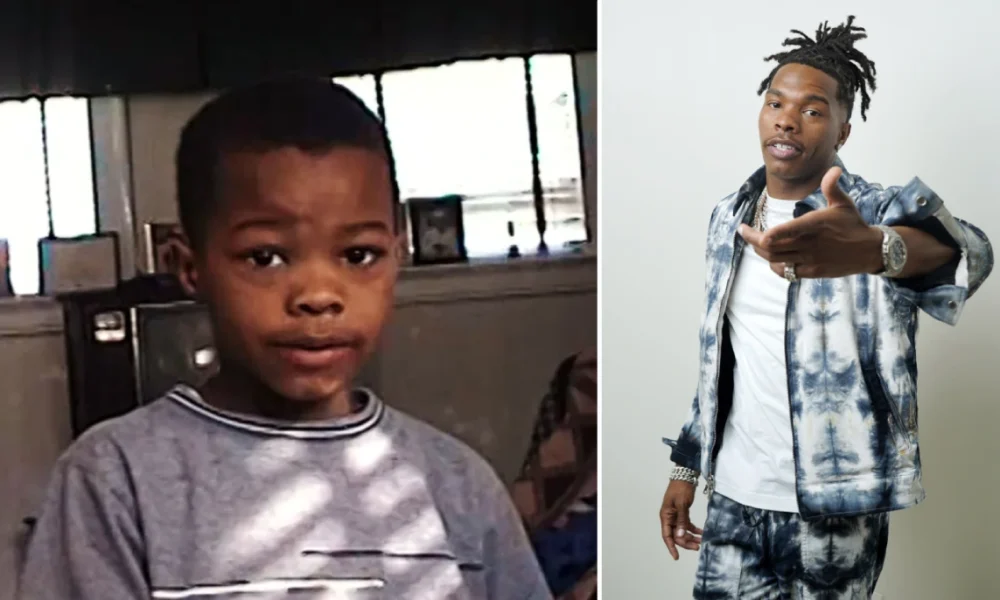
Dominique Armani Jones, professionally known as Lil Baby, represents a modern hip-hop success story. The Atlanta-born rapper transformed from difficult circumstances into a commercially successful artist through a combination of musical talent, consistent output, and business decisions.
Table Of Content
- Understanding Lil Baby’s Income as a Rapper
- Early Life and Background
- Music Career and Commercial Success
- Studio Albums
- Mixtapes and Early Releases
- Revenue Sources and Earnings
- 1. Streaming and Sales
- 2. Live Performances and Touring
- 3. Business Ventures
- Strategic Collaborations
- Assets and Lifestyle
- 1. Real Estate
- 2. Vehicle Collection
- 3. Jewelry and Luxury Goods
- Personal Life
- Understanding Net Worth vs. Income
- The Business of Hip-Hop Wealth
This profile examines how Lil Baby generates income, what assets contribute to his wealth, and the financial realities behind his public image.
Understanding Lil Baby’s Income as a Rapper
Rappers generate income through multiple channels beyond album sales. The modern music industry has shifted toward streaming-based revenue, live performance fees, and brand partnerships.
For successful artists like Lil Baby, touring represents a substantial income source. Major hip-hop artists can command significant performance fees, with headlining acts at festivals and sold-out venue tours generating substantial revenue. Album sales and streaming provide ongoing royalties, though streaming platforms pay fractional amounts per play that accumulate over billions of streams.
Merchandise sales, brand endorsements, and licensing deals add additional revenue streams. The hip-hop industry also emphasizes visible displays of wealth through jewelry, vehicles, and real estate, which serve both personal enjoyment and public image purposes.
Early Life and Background
Lil Baby was born on December 3, 1994, in Atlanta, Georgia. He grew up in the Oakland City neighborhood on the city’s west side, raised by his mother after his father left the family when he was two years old.
His upbringing in an economically disadvantaged area influenced his later relationship with money and career ambition. Before pursuing music professionally, he faced legal challenges that resulted in incarceration on drug-related charges. This period marked a turning point, after which he committed to building a legitimate music career.
These experiences inform the lyrical content throughout his discography, where he frequently addresses themes of financial struggle, ambition, and transformation.
Music Career and Commercial Success
Studio Albums
Lil Baby’s discography includes several commercially successful projects:
- “Harder Than Ever” (2018) – His debut studio album achieved Platinum certification and featured collaborations that helped establish his presence beyond Atlanta’s local scene.
- “My Turn” (2020) – This sophomore album reached number one on the Billboard 200 chart and earned 3x Platinum certification. The project sold over three million equivalent units and generated substantial streaming revenue, representing his biggest commercial success.
- “It’s Only Me” (2022) – His third studio album debuted at number one and continued his streak of commercial performance.
- Notable Singles
- Several singles have contributed significantly to his commercial success:
- “Drip Too Hard” (featuring Gunna) – Achieved Diamond certification (10 million units sold), making it one of his most commercially successful releases.
- “Yes Indeed” (featuring Drake) – Reached 7x Platinum status and helped establish his mainstream credibility.
- “The Bigger Picture” – Received Grammy nominations and demonstrated thematic range beyond typical commercial rap content.
- “On Me” – Certified 3x Platinum, contributing to his sustained chart presence.
Mixtapes and Early Releases
Before major label success, Lil Baby released several mixtapes that built his initial fanbase:
- “Perfect Timing” (2017)
- “Harder Than Hard” (2017)
- “Too Hard” (2017)
- “Street Gossip” (2018)
These projects established his sound and local following before transitioning to major commercial releases.
Revenue Sources and Earnings
1. Streaming and Sales
Digital streaming platforms form a core component of modern music revenue. While individual stream payments remain fractional, artists with billions of cumulative plays generate substantial royalties over time. Physical and digital album sales contribute additional income, though streaming has become the dominant format.
2. Live Performances and Touring
Concert performances represent significant earning potential for established artists. Headlining performers at major venues and festivals command substantial fees, with full tour cycles generating millions in revenue. Merchandise sales at live events provide additional income beyond ticket sales.
3. Business Ventures
Lil Baby founded 4PF (4 Pockets Full), his own record label under the Glass Window Entertainment umbrella. This venture allows him to develop other artists and receive label-side revenue beyond his own releases.
He has directed music videos and participated in various brand partnerships. Reports indicate investments in digital assets, including NFTs and virtual real estate platforms, though specific returns on these investments remain private.
Strategic Collaborations
Partnerships with established artists have accelerated Lil Baby’s commercial growth. His collaborations with Drake, including “Yes Indeed” and “Wants and Needs,” exposed him to broader audiences and resulted in chart-topping performances.
The joint project with Gunna produced multiple successful singles, with “Drip Too Hard” becoming a Diamond-certified hit. Collaborations with artists like DaBaby and other Quality Control Music labelmates have also achieved multi-platinum certifications.
These partnerships benefit both parties through shared royalties, expanded audience reach, and increased industry credibility. For rising artists, collaborations with established names provide immediate exposure, while established artists maintain relevance through connections with newer talent.
Assets and Lifestyle
1. Real Estate
Lil Baby has invested in residential real estate, including properties in Atlanta and Florida. Real estate represents a more stable asset class compared to vehicles or luxury goods, with potential for appreciation over time.
2. Vehicle Collection
His collection includes multiple luxury and custom vehicles, including models from Lamborghini, Mercedes-Maybach, and other premium manufacturers. While vehicles typically depreciate, they represent both personal enjoyment and visible markers of success within hip-hop culture.
3. Jewelry and Luxury Goods
Custom jewelry from notable jewelers forms part of his visible wealth. These pieces serve dual purposes as fashion statements and stores of value, though jewelry markets can be less liquid than other asset classes.
Reports have documented instances of substantial gambling losses, with Lil Baby publicly discussing quitting gambling after significant financial setbacks. Such incidents illustrate how high-profile spending can impact overall wealth accumulation despite substantial earnings.
Personal Life
Lil Baby is the father of two sons from previous relationships. Jason was born to Ayesha Howard, and Loyal was born to Jayda Cheaves. These relationships involve ongoing financial responsibilities, including child support and provisions for his children’s futures.
He has publicly stated positions on legal marriage, expressing a preference for financial independence despite a willingness to invest in relationships through other means.
His Grammy nominations for “The Bigger Picture” elevated his industry standing beyond commercial metrics. While awards themselves don’t carry direct financial prizes, they typically correlate with increased performance fees, streaming bumps, and enhanced negotiating power for future contracts.
Additional recognition from the BET Awards, ASCAP, and other industry organizations has reinforced his position as both a commercial and critically recognized artist.
Understanding Net Worth vs. Income
Net worth represents total assets minus liabilities at a specific point in time. For entertainers, this includes:
- Cash and liquid investments
- Real estate equity
- Vehicle values (accounting for depreciation)
- Jewelry and collectibles
- Business ownership stakes
- Future royalty streams
Income, by contrast, measures annual earnings from all sources. High-earning individuals can have lower net worth if expenses, taxes, and lifestyle spending consume most income. Conversely, net worth can grow substantially when income exceeds spending and assets appreciate.
Public estimates of celebrity net worth vary widely between sources and should be understood as approximations rather than precise figures. Actual wealth depends on private investment decisions, tax obligations, and personal spending patterns that remain confidential.
The Business of Hip-Hop Wealth
The modern hip-hop industry has created multiple pathways to wealth beyond traditional record sales. Successful artists typically build portfolios that include:
- Music royalties (both recorded music and publishing)
- Performance revenue
- Business ownership (labels, production companies)
- Brand partnerships and endorsements
- Strategic investments
This diversification protects against industry volatility and creates income streams that can outlast active performance careers.
Lil Baby’s approach reflects this modern model, combining consistent musical output with business ventures and investment activity. His relatively young age means his wealth-building trajectory continues, with potential for significant growth as he maintains commercial relevance and makes sound business decisions.
The sustainability of entertainment wealth depends on balancing current lifestyle expenses with long-term asset accumulation, a challenge that has proven difficult for many high-earning artists across music history.