

Supply Chain Disruptions: Causes, Risk Identification, and Resilience Strategies
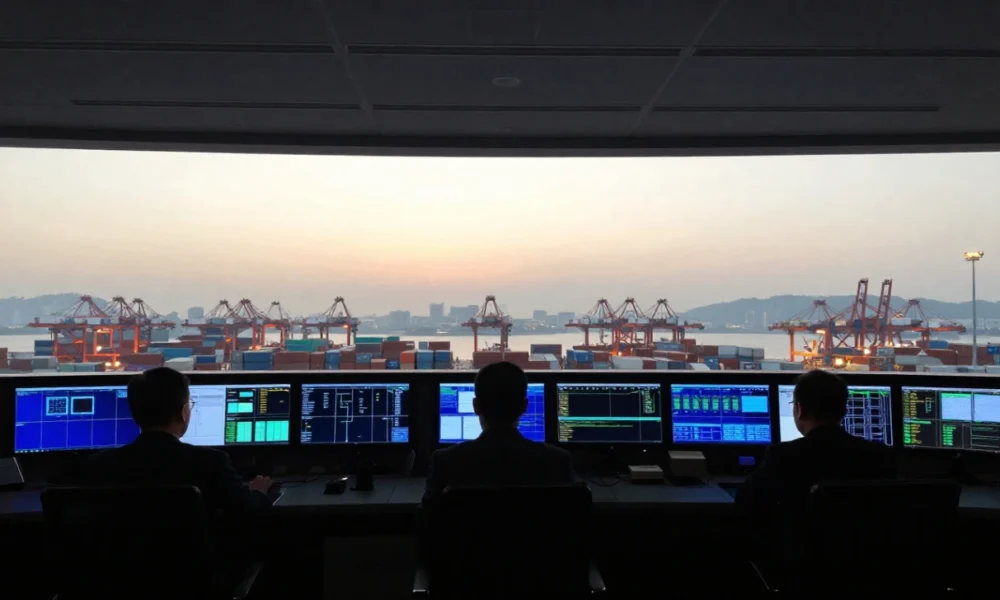
Modern supply chains span multiple countries, industries, and organizations. Raw materials are extracted in one region, processed in another, assembled in a third, and delivered globally. This interconnected structure enables efficiency and scale, but it also creates vulnerability. When an unexpected event interrupts any link in the chain, the effects can travel quickly across continents.
Table Of Content
- What Constitutes a Supply Chain Disruption
- How Disruptions Propagate Through Supply Networks
- Identifying Hidden Risks in Supply Chains
- End-to-End Supply Chain Mapping
- Risk Assessment Methodologies
- Approaches to Building Supply Chain Resilience
- Diversification of Supply Base
- Inventory Positioning
- Visibility and Monitoring Systems
- Supplier Collaboration
- The Role of Digital Infrastructure in Resilience
- Organizational and Cultural Factors
- General Principles for Long-Term Resilience
- Summary
For organizations that depend on these networks, understanding how disruptions occur, where risks are hidden, and what strategies improve continuity has become a standard component of operational planning.
What Constitutes a Supply Chain Disruption
A supply chain disruption is any unplanned event that interrupts the flow of materials, information, or finances between the point of origin and the end customer. Disruptions vary in origin, duration, and severity, but they share a common characteristic: they prevent the supply chain from operating as intended.
Common categories of disruption triggers include:
- Natural phenomena such as earthquakes, floods, or severe storms
- Health-related events, including epidemics and pandemics
- Geopolitical developments like trade policy changes, sanctions, or regional instability
- Technology failures,s including system outages and cyber incidents
- Industrial accidents such as fires, spills, or equipment failures
- Transportation interruptions caused by infrastructure damage or congestion
The severity of a disruption depends not only on the event itself, but on the structure of the affected supply chain. Networks with little redundancy, concentrated suppliers, or limited visibility into lower tiers tend to experience more severe and prolonged effects.
How Disruptions Propagate Through Supply Networks
Disruptions rarely remain isolated. A localized event can affect suppliers in the immediate area, then spread to their customers, and continue outward. This propagation occurs because modern supply chains are sequential: a single missing component can halt an assembly line, even when all other materials are available.
Several factors influence how far and how fast a disruption spreads:
- Dependency concentration. When multiple buyers rely on the same supplier or the same geographic region, a single interruption affects many organizations simultaneously.
- Limited buffer stocks. Just-in-time inventory practices reduce holding costs but also reduce the margin of safety when deliveries stop.
- Information delays. Without real-time visibility into supplier status, organizations may continue placing orders that cannot be fulfilled, worsening backlogs.
- Transportation bottlenecks. Ports, canals, rail terminals, and highways have finite capacity. When one route becomes unavailable, alternatives may already be operating at full capacity.
Understanding these propagation mechanics allows organizations to identify which parts of their network pose the greatest systemic risk.
Identifying Hidden Risks in Supply Chains
Risk identification is the foundation of disruption preparedness. Many vulnerabilities are not immediately visible, particularly beyond the first tier of direct suppliers. Effective risk identification typically involves two complementary approaches.
End-to-End Supply Chain Mapping
Mapping extends visibility beyond immediate suppliers to include sub-tier suppliers, logistics providers, and infrastructure dependencies. This process reveals:
- Geographic concentrations in areas prone to natural hazards or political instability
- Single-source dependencies for critical components or raw materials
- Reliance on individual manufacturing sites, warehouses, or transportation routes
- Suppliers with limited financial reserves or weak cybersecurity practices
Maps must be updated regularly to reflect changes in sourcing patterns, supplier structures, and external conditions.
Risk Assessment Methodologies
Once the supply chain structure is visible, organizations assess each node and link for:
- Probability. How likely is a disruptive event at this location or within this organization?
- Impact. What would be the operational and financial consequences if this node failed?
- Speed of onset. How quickly would disruption occur, and how much warning time is typical?
- Recovery capacity. How long would it take the affected entity to restore normal operations?
Assessments can be conducted through supplier surveys, on-site audits, third-party data services, and analysis of historical incident patterns.
Approaches to Building Supply Chain Resilience
Resilience refers to the ability of a supply chain to anticipate, absorb, and recover from disruptions. It is not achieved through a single action but through a combination of structural choices, monitoring capabilities, and collaborative practices.
Diversification of Supply Base
Concentrating purchases with a single supplier or within a single region creates efficiency under normal conditions but introduces fragility during disruptions. Diversification strategies include:
- Qualifying multiple suppliers for the same component or material
- Distributing production across geographically separate facilities
- Maintaining relationships with alternative logistics providers
Diversification requires ongoing investment. Suppliers not used regularly may require periodic orders to maintain readiness.
Inventory Positioning
While excessive inventory increases holding costs, strategic inventory placement can absorb short-term supply interruptions. Approaches include:
- Holding safety stock for critical or long-lead-time items
- Pre-positioning materials closer to final assembly or demand points
- Using buffer inventory at distribution centers to protect against transportation delays
The optimal level of inventory varies by industry, product lifecycle, and lead time.
Visibility and Monitoring Systems
Real-time or near-real-time visibility into supply chain status enables faster response. Common visibility capabilities include:
- Order tracking from supplier dispatch to customer receipt
- Inventory monitoring across warehouses and in-transit locations
- Supplier performance dashboards showing on-time delivery, quality, and lead time trends
- External threat monitoring for weather, labor disputes, or regulatory changes
Visibility investments are most effective when combined with clear escalation procedures and decision rights.
Supplier Collaboration
Supply chains are interconnected systems. Resilience improves when buyers and suppliers share information and coordinate planning. Collaborative practices include:
- Joint business continuity planning between buyers and key suppliers
- Shared forecasts to help suppliers anticipate demand changes
- Transparent communication about capacity constraints or emerging risks
- Technical or financial support for suppliers undertaking resilience improvements
Collaboration does not eliminate competition, but it recognizes that the stability of the entire network benefits all participants.
The Role of Digital Infrastructure in Resilience
Digital systems support many of the capabilities required for disruption management. These include:
- Supply chain control towers. Centralized platforms that aggregate data from multiple sources to provide end-to-end visibility and alerting.
- Predictive analytics. Statistical and machine learning models that identify patterns preceding disruptions, such as supplier financial distress or shipping delays.
- Digital twins. Virtual representations of physical supply chains that allow organizations to simulate the effects of disruptions and test mitigation strategies.
- Blockchain and distributed ledgers. Shared, tamper-resistant records that improve traceability and reduce disputes in multi-party transactions.
Digital tools are enablers, not substitutes. Their effectiveness depends on data quality, user adoption, and integration into daily decision-making processes.
Organizational and Cultural Factors
Resilience is not solely a technical or operational challenge. It also depends on organizational culture and governance.
- Executive attention. Resilience requires sustained investment and prioritization. When no disruption has occurred recently, the tendency to reduce spending on preparedness is strong. Governance structures that formally review supply chain risk at the board or executive level help maintain focus.
- Cross-functional coordination. Procurement, logistics, finance, sales, and information technology all influence supply chain resilience. Siloed decision-making creates gaps. Regular cross-functional reviews of risk exposure and mitigation progress improve alignment.
- Learning from incidents. Organizations that systematically review disruptions—whether they experienced them directly or observed them elsewhere—identify improvement opportunities more quickly. Post-incident reviews should focus on system improvements rather than individual blame.
General Principles for Long-Term Resilience
Experience across multiple industries and geographies has produced several widely accepted principles for supply chain resilience:
- Resilience is continuous, not episodic. It requires ongoing attention, not a one-time project.
- Trade-offs are explicit. Cost efficiency and resilience sometimes conflict. Organizations that acknowledge these trade-offs make more deliberate, defensible decisions.
- Tier-one focus is insufficient. Significant risks exist deeper in the supply network. Visibility and assessment must extend beyond immediate suppliers.
- Relationships matter. Contractual protections are useful, but they do not replace trust-based collaboration during acute disruptions.
- Preparation reduces impact. Organizations that have thought through scenarios, identified alternative sources, and established communication protocols respond faster and recover more completely than those that begin planning after an event occurs.
Summary
Supply chain disruptions are an enduring feature of global commerce. Their causes are diverse, their effects are often amplified by network structures, and their timing is unpredictable. Organizations that treat disruption as a manageable operational risk—rather than a rare exception—invest in visibility, diversification, monitoring, and collaboration.
These investments do not guarantee that disruptions will be avoided. They do, however, improve the likelihood that when disruptions occur, the organization can continue operating, protect customer commitments, and restore normal function more rapidly. In an environment where supply chains span continents and interruptions travel at digital speed, that capability is no longer optional.