

Designing a Dark Kitchen: Material, Lighting, and Maintenance Considerations
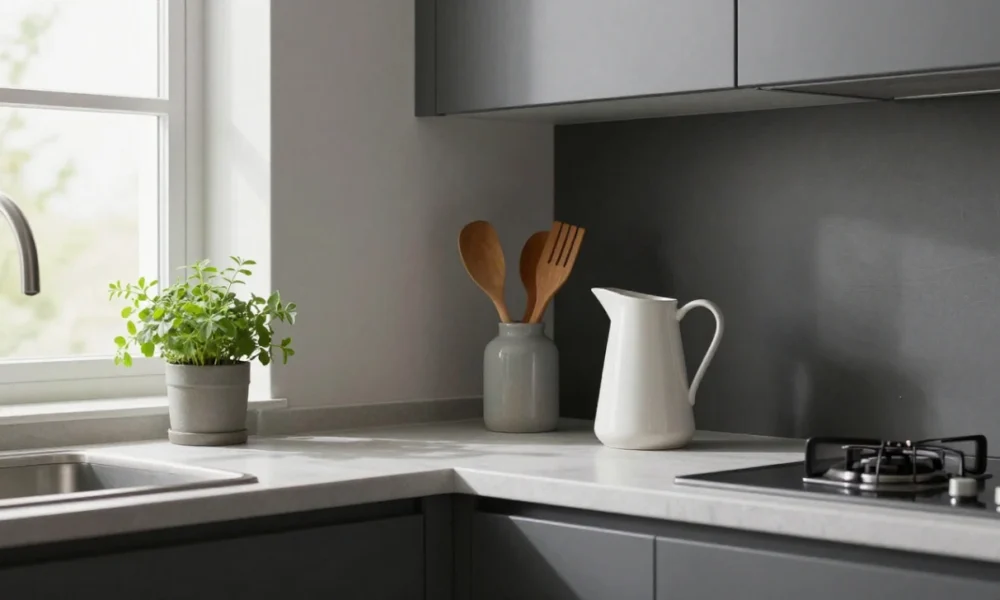
Dark finishes in kitchen design have become an established category rather than a passing trend. When specified correctly, dark cabinetry, surfaces, and appliances can remain functional and visually coherent for decades. This article outlines the practical considerations—material properties, lighting requirements, maintenance routines, and spatial planning—that determine whether a dark kitchen performs well over time.
Table Of Content
Material Selection and Surface Durability
The performance of a dark kitchen depends primarily on surface material specification. Dark finishes reveal water spots, dust, and fingerprints more readily than light or mid-tone surfaces. Therefore, material selection shouldprioritizee durability and ease of cleaning alongside appearance.
Cabinetry. Factory-finished painted or thermofoil cabinets offer more consistent colour and better resistance to moisture than site-painted alternatives. Matte or textured dark finishes hide minor smudges more effectively than high-gloss versions, which require frequent polishing.
Countertops. Quartz, soapstone, and certain dark granites provide natural stain resistance and do not require annual sealing. Laminate has improved in visual fidelity and can replicate dark stone patterns at a lower cost, though it is less heat-resistant and cannot be refinished.
Backsplashes. Large-format porcelain slabs or glass minimize grout lines, reducing long-term cleaning labour. Small mosaic tiles in dark colours require more maintenance due to multiple grout joints.
Hardware and fixtures. Blackened brass, oil-rubbed bronze, and matte black faucets with physical vapour deposition (PVD) finishes resist corrosion and handling wear better than painted or plated alternatives.
Lighting Strategies for Dark Interiors
Absorption of light is an inherent characteristic of dark surfaces. A dark kitchen requires deliberate lighting design to remain functional and comfortable, not merely atmospheric.
Layered illumination. Ambient lighting (ceiling-mounted or recessed) provides base visibility. Task lighting—under-cabinet LED strips, pendant lights over islands, and directional spots—should be positioned to eliminate shadows on work surfaces. Dimmers allow adjustment for different activities and times of day.
Natural light integration. Kitchens with limited windows benefit from reflective surfaces on vertical planes. Open shelving with lighter-coloured contents, glossy tile, or mirrored backsplashes can distribute daylight deeper into the space without introducing competing colours.
Colour rendering. Light sources with a Colour Rendering Index (CRI) of 90 or higher ensure that food, skin tones, and surrounding materials appear natural against dark cabinetry. This is particularly relevant in open-plan homes where kitchen and living areas are visually connected.
Maintenance and Long-Term Care
Dark finishes do not inherently require more maintenance than light finishes, but they require different maintenance habits. Buildup of oils and cleaning residues becomes visible more quickly.
Daily care. Microfiber cloths and pH-neutral cleaners preserve surface integrity. Abrasive pads or alkaline degreasers can gradually erode matte clear coats and create polished spots.
Appliance upkeep. Fingerprint-resistant stainless steel (often marketed as black stainless or fingerprint-proof) undergoes a surface treatment that reduces visible smudging. Standard stainless steel in a dark kitchen requires frequent wipe-downs to maintain uniformity.
Water management. Hard water causes mineral deposits that are highly visible on dark sinks and faucets. Point-of-use water softeners or routine wiping after each use prevent etching on composite granite or fireclay sinks.
Spatial Perception and Room Proportions
The success of a dark colour scheme is partly determined by room geometry and sight lines. Dark finishes recede visually, which can make a small kitchen feel enclosed if not balanced.
Cabinetry placement. Restricting dark finishes to lower cabinets while keeping upper cabinets or walls light maintains an open appearance. Floor-to-ceiling dark cabinetry is more suitable in rooms with high ceilings or significant natural light.
Visual weight distribution. Islands in a dark finish anchor the space, but should be proportioned to allow circulation. Overly large dark volumes in compact floor plans can obstruct sight lines and make the kitchen feel smaller than its actual dimensions.
Adjacent spaces. Open-plan kitchens benefit from continuity in flooring or ceiling treatment between zones. Abrupt transitions from dark kitchen finishes to light living area finishes can fragment the space.
Common Planning Considerations
Glare and reflections. Dark surfaces do not cause glare, but reflections of light sources on glossy dark cabinetry or black glass appliance panels can be distracting. Positioning light sources away from the direct sight line of seated or standing users reduces this effect.
Visibility of contents. Open shelving in dark kitchens requires organization of stored items, as darker backgrounds do not obscure visual clutter. Drawers and closed cabinetry are more forgiving for everyday storage.
Resale and longevity. Dark kitchen finishes are no longer considered atypical. The long-term suitability of a dark kitchen depends more on material quality and layout logic than on colour preference. Well-executed dark kitchens retain utility independently of shifting stylistic cycles.
Adapting Existing Kitchens
Minor interventions can shift a kitchen’s appearance without full replacement. Refinishing existing cabinet boxes with new doors and drawer fronts in a dark colour is less disruptive than full demolition. Changing hardware, faucet finish, and lighting colour temperature (from cool to warm) can also harmonize existing elements with a darker palette.
Paint is the least permanent intervention. Cabinet paint formulated with urethane or epoxy resins provides greater durability than standard wall paint. Professional spray application yields smoother, more uniform results than hand-rolling.
Dark kitchens are specified for their visual focus and ability to recede into the background, emphasizing people and activity. When material quality, illumination, and maintenance expectations are aligned with the user’s household routines, dark kitchens perform reliably over the lifespan of the components.