

Zinnias and Deer: Growth Habits, Palatability, and Protective Strategies for Home Gardens
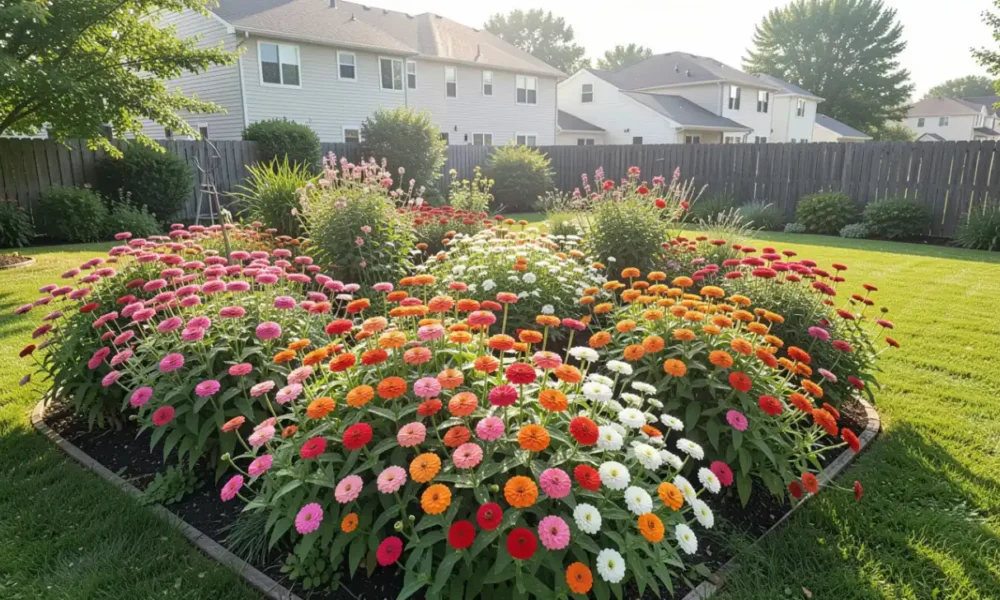
Home gardeners selecting plants for ornamental beds often consider both visual appeal and resilience to local wildlife. Zinnias, native to scrub and dry grassland regions, are widely cultivated for their extended blooming period, chromatic range, and tolerance of warm growing conditions.
Table Of Content
- What Defines a Deer-Resistant Plant
- Do Deer Eat Zinnias
- Botanical and Environmental Factors That Influence Browsing
- Practical Methods to Protect Zinnias from Deer
- Fencing and Physical Exclusion
- Scent-Based Repellents
- Cultural Practices and Garden Layout
- Comparison of Common Deterrent Approaches
- Why Gardeners Continue to Plant Zinnias in Deer-Prone Areas
- Regional Observations and Gardener Experience
- Conclusion
For gardeners in areas with established white-tailed deer populations, understanding which plants are routinely browsed—and which are typically avoided—supports long-term garden planning. This article examines the palatability of zinnias to deer, the circumstances under which browsing may occur, and physical and cultural methods used to protect garden plantings.
What Defines a Deer-Resistant Plant
No plant species is completely immune to deer browsing. The term “deer-resistant” describes plants that deer are statistically less likely to consume when alternative food sources are available. Resistance is influenced by multiple botanical characteristics.
Plants with strong aromatic foliage, such as salvias and lavenders, are often passed over. Species with milky sap, latex, or thickly textured leaves also tend to be avoided. Deer generally prefer tender, succulent growth with high moisture content.
Individual deer populations develop localized feeding patterns. A plant frequently left untouched in one region may be sampled in another, depending on herd density, seasonal food availability, and learned behavior.
Do Deer Eat Zinnias
Zinnias are not classified as preferred deer forage. Most gardeners report that deer leave mature zinnia plants undisturbed, even when other palatable species are present in the same bed.
The flowers and foliage of zinnias possess a slightly coarse, dry texture compared to plants such as hostas or impatiens. This texture, combined with the absence of a strong, attractive scent, makes zinnias a low-priority food item for deer.
However, deer are opportunistic browsers. During periods of nutritional stress—such as late winter, early spring before natural foliage emerges, or prolonged drought—deer may sample plants they typically ignore. Young zinnia seedlings, with their tender stems and leaves, are more vulnerable to sampling than established plants.
Botanical and Environmental Factors That Influence Browsing
Several variables determine whether deer will interact with zinnias in a given garden setting.
Proximity to cover. Properties adjacent to wooded areas, riparian corridors, or undeveloped land experience higher deer traffic. Browsing pressure is typically greater at garden margins near these transition zones.
Local food abundance. Acorn crops, native forb availability, and agricultural plantings in the surrounding area all affect how much attention deer pay to ornamental gardens. When natural foods are plentiful, deer rarely seek out zinnias.
Plant stage. Newly transplanted zinnias and unrooted cuttings emit volatile organic compounds different from those of mature plants. This may temporarily attract investigation by passing deer.
Individual deer experience. Older deer that have encountered unpalatable plants may avoid them entirely. Younger deer, still sampling their environment, are more likely to test unfamiliar species.
Practical Methods to Protect Zinnias from Deer
Gardeners who experience regular deer pressure can employ multiple strategies to reduce damage to zinnias and other ornamental plants. Layered approaches are generally more effective than single interventions.
Fencing and Physical Exclusion
Solid or woven-wire fencing at least eight feet (2.4 meters) in height provides the most reliable deer deterrent. Deer are capable jumpers,s but rarely clear barrierthat s they cannot visually assess on the other side.
For smaller plantings, individual wire cages or floating row covers offer temporary protection during the seedling stage. These materials are removed when plants reach flowering size.
Scent-Based Repellents
Commercial deer repellents function primarily through odor aversion. Products containing putrescent egg solids, garlic, or capsaicin are widely available. Efficacy varies with weather; repellents require reapplication after rain or heavy dew.
Home gardeners also report success with hung bars of tallow-based soap near susceptible plants. This method is inconsistent across different climates and deer populations.
Cultural Practices and Garden Layout
Grouping zinnias with strongly aromatic companions may reduce incidental browsing. Plants commonly used for this purpose include:
- Ornamental alliums and chives
- Russian sage (Salvia yangii)
- Catmint (Nepeta species)
- Yarrow (Achillea millefolium)
Positioning higher-risk plants closest to the home and using less palatable species along garden perimeters can also intercept deer before they reach valued specimens.
Comparison of Common Deterrent Approaches
| Method | Typical Investment | Duration of Effect | Notes |
|---|---|---|---|
| Perimeter fencing | Moderate to high | Permanent | Requires maintenance and seasonal inspection |
| Repellent sprays | Low to moderate | 7–14 days | Weather-dependent; rotation recommended |
| Barrier netting | Low | Seasonal | Suitable for annual beds |
| Repellent plants | Low | Entire growing season | Effectiveness varies by region |
Why Gardeners Continue to Plant Zinnias in Deer-Prone Areas
Despite the occasional report of deer browsing on zinnias, the plant remains widely recommended for gardens with deer activity. Several characteristics support this consensus.
Zinnias are annuals in most temperate climates and complete their life cycle in a single growing season. Even if young plants receive minor damage, they typically outgrow and bloom without lasting impairment.
The flowers provide sustained nectar and pollen resources for native bees, butterflies, and beneficial hoverflies. Gardeners managing for both aesthetics and habitat value often retain zinnias as a functional component of wildlife-friendly design.
Additionally, zinnias are not a reservoir for plant pathogens that affect common vegetables or fruit crops, making them suitable for integration into mixed ornamental–edible landscapes.
Regional Observations and Gardener Experience
Informal reports from cooperative extension services and university horticulture departments indicate that zinnias rank consistently low on lists of plants damaged by deer. State-level gardening surveys from the mid-Atlantic and Midwest regions place zinnias alongside marigolds and snapdragons as annuals rarely requiring protection.
Gardeners in areas with exceptionally high deer density—such as suburban developments built within former forest tracts—may observe different outcomes. In these settings, even normally avoided plants may be consumed as preferred species are exhausted.
Maintaining observation records over multiple seasons helps individual gardeners determine whether deer pressure on zinnias is a recurring issue or an isolated event.
Conclusion
Zinnias are not a preferred food source for white-tailed deer and are generally considered a low-risk addition to gardens in deer-populated areas. Their coarse foliage, extended bloom period, and value to pollinating insects make them a practical choice for gardeners seeking both ornamental quality and reduced wildlife conflict.
Periods of food scarcity may prompt deer to sample zinnias, particularly young transplants. Gardeners wishing to eliminate this risk can employ fencing, repellents, or strategic companion planting. The majority of home gardeners, however, cultivate zinnias without active deer management and report satisfactory results.