

Small Town Business Ideas: A Practical Guide for Local Entrepreneurs
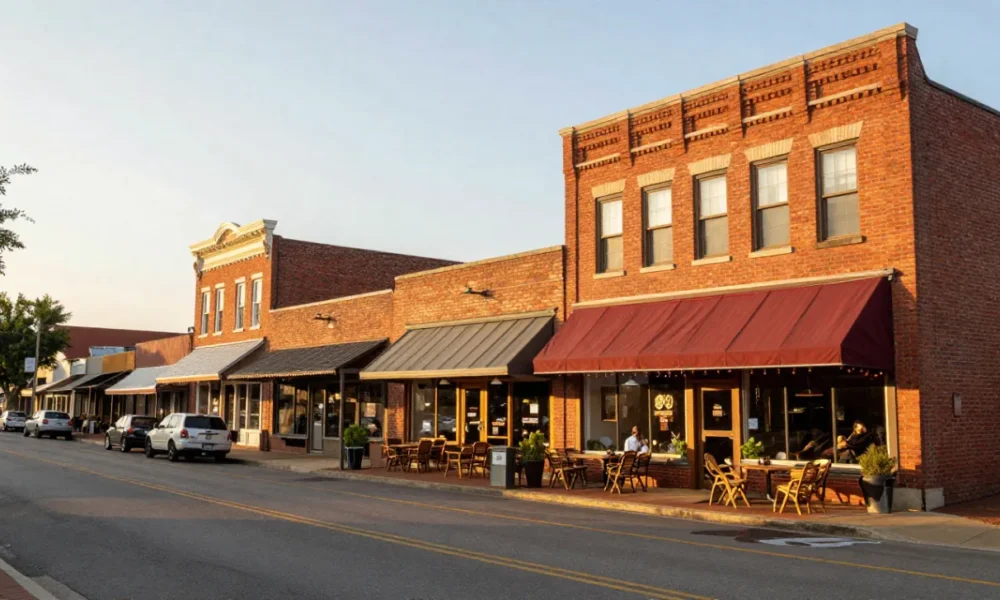
Starting a business in a small town involves a different set of considerations than launching a venture in a large city. Population size, local economic drivers, and community dynamics all influence which business models are viable. For entrepreneurs who live in or plan to move to a smaller community, understanding these local factors is the first step toward building a sustainable enterprise.
Table Of Content
- Understanding the Small-Town Business Environment
- Local Economic Drivers
- Demographic Considerations
- Assessing the Local Market
- Identify Existing Businesses
- Look for Service Gaps
- Talk to Community Members
- Categories of Small-Town Business Ideas
- Food and Dining Businesses
- Retail Businesses
- Service-Based Businesses
- Tourism and Hospitality Businesses
- Home-Based and Remote-Work Businesses
- Businesses Serving Local Institutions
- Practical Considerations for Starting in a Small Town
- Location and Visibility
- Community Relationships
- Pricing and Value
- Digital Presence
- Adaptability
- Evaluating Business Feasibility
- Summary
This guide provides an overview of the small-town business landscape, methods for evaluating local opportunities, and a range of business categories that tend to perform well in rural and suburban communities.
Understanding the Small-Town Business Environment
Small towns vary widely in their economic makeup. Some rely on agriculture, others on tourism, and many on a mix of local services and remote work. Before selecting a business idea, it is useful to understand the specific characteristics of the community.
Local Economic Drivers
Every town has economic foundations that shape consumer spending. These may include:
- Seasonal industries (farming, tourism, forestry)
- Regional employers (manufacturing plants, schools, hospitals)
- Commuter patterns (residents who work in nearby cities)
- Retirement communities with fixed incomes
Observing these patterns helps entrepreneurs identify which products or services the local population is likely to need and can afford.
Demographic Considerations
Age distribution, family size, and income levels vary by community. A town with many young families may support different businesses than one with a large retired population. Gathering basic demographic data from public sources or local government offices provides a foundation for business planning.
Assessing the Local Market
Before committing to a specific business idea, conducting a structured assessment of the local market reduces risk and clarifies opportunity.
Identify Existing Businesses
Create a simple list of current businesses in town and the surrounding areas. Note which categories are well-represented and which are absent. A community with three coffee shops may not need another, but one with no breakfast option might welcome a bakery or cafe.
Look for Service Gaps
Residents often travel to larger towns for certain goods or services. Common gaps in small towns include:
- Childcare or after-school programs
- Pet care (grooming, boarding, training)
- Home maintenance and repair
- Specialized healthcare or wellness services
- Entertainment options for teens or adults
Gaps do not automatically mean opportunity—demand must be sufficient to support a business—but they represent areas worth investigating further.
Talk to Community Members
Conversations with residents, local business owners, and community leaders provide qualitative insight that numbers alone cannot. Questions to explore include:
- What do residents wish they had locally?
- What do people drive to the next town to buy?
- What local businesses are consistently busy?
These discussions also help build relationships that will be valuable when the business opens.
Categories of Small-Town Business Ideas
The following categories represent business types that have proven adaptable to small-town settings. Each requires local validation, but all offer a starting point for further research.
Food and Dining Businesses
Food businesses remain a staple of small-town commerce. Residents and visitors alike need places to eat, and local dining often becomes a community gathering spot.
- Restaurants and Cafes: Full-service restaurants, diners, or coffee shops that offer a welcoming atmosphere.
- Bakeries and Specialty Food Shops: Businesses focused on baked goods, candies, or locally produced foods.
- Food Trucks or Pop-Up Operations: Lower-cost entry points that allow testing of the market before committing to a permanent location.
- Catering Services: Providing food for local events, weddings, and business meetings.
Retail Businesses
Retail in small towns has shifted toward experiences and products that cannot easily be duplicated online.
- General Stores: Modern versions of the traditional general store, offering a mix of essentials and unique items.
- Gift and Specialty Shops: Stores focusing on local crafts, regional products, or specific themes (books, outdoor gear, home decor).
- Antique or Vintage Shops: Small towns with tourism traffic often support businesses selling collectibles and repurposed goods.
- Farmers Market Vendors: Selling produce, baked goods, or handmade items at local markets, sometimes leading to a permanent storefront.
Service-Based Businesses
Service businesses fill essential needs and often build recurring revenue through repeat customers.
- Home Services: Plumbing, electrical work, landscaping, snow removal, and handyman services.
- Personal Care: Hair salons, barbershops, nail salons, and spas.
- Pet Services: Grooming, boarding, dog walking, and pet supply retail.
- Automotive Services: Repair shops, oil change services, and car washes.
- Cleaning Services: Residential or commercial cleaning, often starting as a one-person operation.
Tourism and Hospitality Businesses
Towns located near natural attractions, historical sites, or along travel routes can support tourism-related ventures.
- Lodging: Bed and breakfasts, small inns, cabins, or campgrounds.
- Outdoor Recreation: Bicycle rentals, fishing guide services, kayak rentals, or hunting outfitters.
- Tours and Experiences: Historical walking tours, farm tours, or workshops teaching local crafts.
- Event Venues: Spaces for weddings, reunions, or community events.
Home-Based and Remote-Work Businesses
The rise of remote work has made it possible to operate location-independent businesses from small towns.
- E-commerce Stores: Selling products online through platforms like Shopify or Etsy.
- Freelance Services: Writing, graphic design, web development, or virtual assistance.
- Consulting: Offering expertise in areas such as business management, marketing, or finance to clients outside the local area.
- Online Education: Creating courses or coaching programs that serve a national or international audience.
Businesses Serving Local Institutions
Schools, hospitals, factories, and local government offices have ongoing needs that can be met by local businesses.
- Janitorial Services: Contract cleaning for public buildings and offices.
- Office Supply and Equipment: Providing supplies, printing, or equipment maintenance.
- Food Service Contracts: Catering for school lunches, hospital cafeterias, or senior meal programs.
- Uniform and Apparel Services: Supplying embroidered or printed uniforms for local sports teams and businesses.
Practical Considerations for Starting in a Small Town
Beyond the business idea itself, several factors influence success in a small-town market.
Location and Visibility
In a small town, the location of a business can determine its foot traffic and accessibility. Main street locations, proximity to other busy businesses, and ease of parking all matter. For home-based businesses, visibility may come from online presence rather than physical signage.
Community Relationships
Small-town customers often prefer to do business with people they know and trust. Participating in community events, supporting local causes, and being a visible presence in town helps build the relationships that lead to customer loyalty.
Pricing and Value
Pricing strategies may differ from urban areas. While operating costs are often lower, the customer base may have less disposable income. Balancing fair prices with sustainable margins requires attention to local economic conditions.
Digital Presence
Even in small towns, customers expect to find basic information online. A simple website, active social media presence, and accurate Google Business Profile help local customers discover and remember the business.
Adaptability
Small-town businesses often need to wear multiple hats. A cafe might also sell local crafts. A landscaping company might offer snow removal in winter. Flexibility to meet changing community needs helps maintain steady revenue throughout the year.
Evaluating Business Feasibility
Before launching, a structured feasibility check helps avoid common pitfalls.
| Factor | Questions to Consider |
|---|---|
| Market Demand | Is there enough local demand to support the business? How many customers are needed daily or monthly? |
| Competition | Who else serves this need? What would make this business different? |
| Startup Costs | What equipment, inventory, or space is required? Can it be funded? |
| Operating Expenses | What are the ongoing costs for rent, utilities, supplies, and labor? |
| Regulatory Requirements | Are there local licenses, zoning rules, or health department permits required? |
| Personal Fit | Does this business match the owner’s skills, interests, and desired lifestyle? |
Summary
Small towns offer viable opportunities for businesses that meet local needs, build community connections, and adapt to the specific characteristics of the market. Success often comes not from copying urban business models, but from observing the community, identifying genuine needs, and creating a business that serves those needs reliably over time.
Entrepreneurs who take time to understand their local market, choose a business model that fits both the community and their own capabilities, and remain flexible as conditions change, position themselves for sustainable operation in a small-town setting.