

25 Profitable Business Ideas for Nurses: Turn Your Medical Expertise Into Entrepreneurship
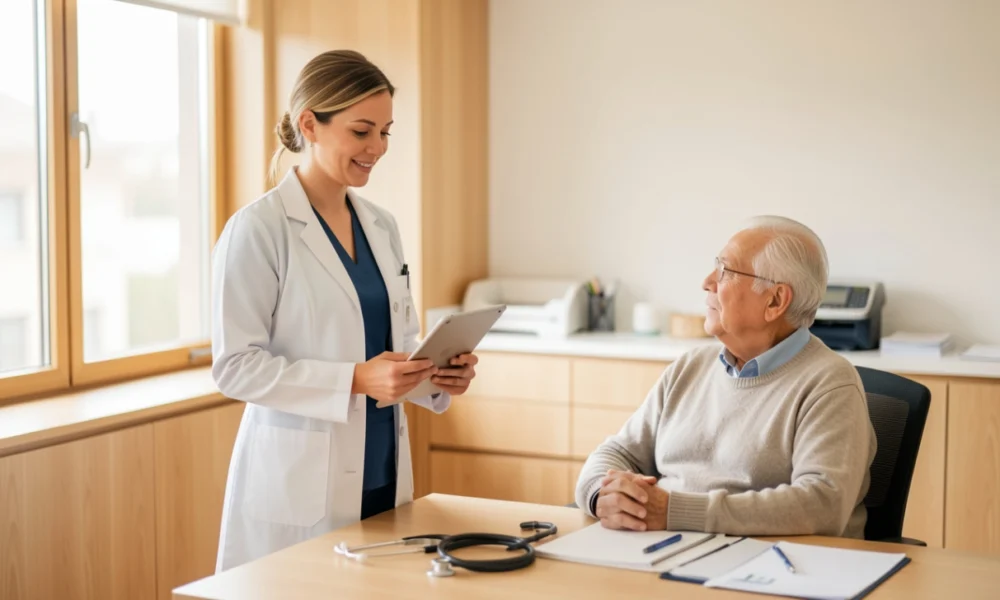
The nursing profession provides clinical skills, patient care experience, and healthcare system knowledge that translate directly into business opportunities. Nurses who pursue entrepreneurship create ventures ranging from direct patient care services to consulting, education, and healthcare technology.
Table Of Content
- Why Nurses Make Successful Entrepreneurs
- Direct Patient Care Business Ideas
- Private Practice for Nurse Practitioners
- Mobile IV Infusion Services
- Home Care Agency Ownership
- School Nursing Contracts
- Telehealth Practice
- Correctional Healthcare Services
- Consulting and Advisory Business Ideas
- Legal Nurse Consultant
- Infection Prevention Consultant
- EHR Implementation Specialist
- Medical Device Consultant
- Healthcare Staffing Agency
- Education and Content Business Ideas
- Online Nursing Course Creator
- Medical Content Writer or Editor
- NCLEX Review Instructor
- CPR and First Aid Training Business
- Simulation Lab Consultant
- Niche and Emerging Business Ideas
- Birth Doula Services
- End-of-Life Doula
- Forensic Nurse Consultant
- Nurse Coach
- Patient Advocate
- Occupational Health Consultant
- Wellness Program Developer
- Medical Spa Owner
- Steps to Launch Your Nursing Business
- Common Challenges for Nurse Entrepreneurs
- Resources for Nurse Entrepreneurs
- Conclusion
This guide presents business ideas for nurses at every career stage, with practical information about licensing requirements, startup considerations, and realistic pathways to launch.
Why Nurses Make Successful Entrepreneurs
Nurses bring distinct advantages to business ownership. Hospital nursing develops rapid assessment skills and the ability to prioritize competing demands. Bedside experience builds communication capabilities essential for client relationships. Clinical training instills attention to detail that carries over to regulatory compliance and quality control.
The healthcare industry continues expanding, creating openings for nurse-owned businesses that address specific patient needs, system gaps, or professional services that hospitals and clinics do not provide.
Direct Patient Care Business Ideas
These ventures involve providing clinical services directly to patients, often with more flexibility and personalization than traditional employment offers.
Private Practice for Nurse Practitioners
Nurse practitioners (NPs) with full practice authority in their state can establish independent primary care or specialty practices. This represents one of the most direct applications of nursing skills to business ownership.
Requirements:
- State licensure as an NP
- DEA registration for prescribing controlled substances
- Malpractice insurance
- National Provider Identifier (NPI) number
- Enrollment with Medicare/Medicaid and private insurers
Startup considerations: Office space, electronic health records system, medical equipment, billing and coding services, staffing needs. Many NPs begin with a part-time practice while maintaining other employment to build patient panels gradually.
Mobile IV Infusion Services
Certified IV infusion nurses can operate mobile businesses serving patients who need hydration, vitamin therapy, or medication administration in their homes or workplaces. This model gained significant traction as patients seek alternatives to hospital-based care.
Requirements:
- IV certification (varies by state)
- Business liability insurance
- Proper medical waste disposal protocols
- Reliable transportation with temperature-controlled storage
Revenue streams: Hydration therapy for wellness clients, post-procedure recovery support, hangover treatment, and medication administration for chronic conditions. Building relationships with concierge medicine practices and wellness clinics generates referral traffic.
Home Care Agency Ownership
Nurses can own and operate home care agencies providing skilled nursing or non-medical personal care services. Franchise options exist, but independent ownership offers more control over service models and pricing.
Requirements:
- State licensure (requirements vary by service type)
- Background check systems for employees
- Worker’s compensation insurance
- Compliance with labor laws and healthcare regulations
Key considerations: Staff recruitment and retention represent the primary challenge in home care. Developing strong training programs and competitive compensation structures determines success.
School Nursing Contracts
School districts increasingly contract with nurse-owned businesses rather than hiring employees directly. This allows nurses to serve multiple schools or districts while maintaining control over schedules and service delivery.
Requirements:
- State nursing license
- School nurse certification (varies by state)
- Pediatric experience preferred
- Emergency response protocols
Business model: Contracts typically specify hours per week, scope of services (medication administration, health screenings, emergency response), and reporting requirements. Some nurse entrepreneurs combine school contracts with other pediatric-focused services.
Telehealth Practice
Nurses with appropriate licensure can provide remote consultation services through telemedicine platforms. This includes follow-up visits, medication management, patient education, and triage services.
Requirements:
- Licensure in states where patients reside
- Technology platform (many third-party options exist)
- HIPAA-compliant communication systems
- Malpractice insurance covering telehealth
Opportunity areas: Chronic disease management, postpartum support, medication adherence programs, preoperative education, and remote monitoring integration.
Correctional Healthcare Services
County jails and prisons contract with nurse-owned businesses to provide healthcare services to incarcerated populations. This specialized field offers consistent demand and predictable scheduling.
Requirements:
- Correctional healthcare certification (optional but beneficial)
- Security clearance procedures
- Understanding of correctional healthcare regulations
- Ability to work in secure environments
Considerations: Contracts typically specify required hours and response times for medical requests. This work requires comfort with security protocols and correctional environments.
Consulting and Advisory Business Ideas
Nurses can monetize their healthcare system knowledge by advising organizations, legal teams, and businesses.
Legal Nurse Consultant
Legal nurse consultants analyze medical records, identify standard-of-care issues, and help attorneys understand clinical aspects of personal injury, malpractice, and criminal cases. This field combines clinical knowledge with legal applications.
Requirements:
- Legal nurse consultant certification (optional but preferred by many firms)
- Strong understanding of medical record interpretation
- Ability to communicate complex clinical information clearly
- Professional liability insurance
Work types: Case screening, record organization, timeline development, expert witness identification, testimony preparation. Consultants typically charge hourly rates between $75-$200 depending on experience and case complexity.
Infection Prevention Consultant
Hospitals, nursing homes, and outpatient clinics need infection control expertise for regulatory compliance and patient safety. Nurses with infection prevention training can offer consulting services to multiple facilities.
Requirements:
- Certification in Infection Control (CIC)
- Strong knowledge of CDC guidelines and OSHA standards
- Survey preparedness experience
- Understanding of antibiotic stewardship programs
Services offered: Policy development, staff training, outbreak investigation, survey preparation, environmental rounds, and program audits.
EHR Implementation Specialist
Electronic health record systems require ongoing optimization, training, and workflow design. Nurses who understand clinical workflows can consult with practices implementing or upgrading EHR systems.
Requirements:
- Proficiency with major EHR platforms (Epic, Cerner, Meditech)
- Understanding of clinical workflows
- Training and change management skills
- Knowledge of meaningful use requirements
Work settings: Private practices implementing first EHR systems, hospitals upgrading platforms, and practices needing optimization to meet quality reporting requirements.
Medical Device Consultant
Medical device companies need nurses to advise on product development, conduct clinical trials, train sales teams, and support customer implementation. Independent consultants work with multiple companies on a project basis.
Requirements:
- Clinical experience in relevant specialty areas
- Understanding of device regulations (FDA requirements)
- Clinical trial protocol knowledge
- Strong relationships with healthcare providers
Typical projects: Usability testing, sales training development, clinical evidence gathering, and post-market surveillance support.
Healthcare Staffing Agency
Nurses with human resources interest and industry connections can start staffing agencies, placing nurses, nursing assistants, and other healthcare professionals in temporary or permanent positions.
Requirements:
- State licensing for staffing agencies
- Liability insurance
- Credentialing and verification systems
- Understanding of employment law
Challenges: Competition from established agencies, managing payroll and benefits, verifying credentials efficiently, and maintaining candidate pipelines during shortages.
Education and Content Business Ideas
Nurses with teaching abilities and subject matter expertise can create educational products and services.
Online Nursing Course Creator
Developing and selling online courses allows nurses to reach unlimited students while generating passive income. Topics range from NCLEX preparation to specialized clinical skills and continuing education.
Requirements:
- Subject matter expertise
- Video production equipment (basic setups work initially)
- Learning management system (Teachable, Thinkific, Kajabi)
- Understanding of adult learning principles
Popular topics: ECG interpretation, pharmacology review, wound care certification preparation, nursing leadership skills, and patient education techniques.
Medical Content Writer or Editor
Healthcare organizations, digital health companies, and medical publishers need clinically accurate content. Nurses with strong writing skills can edit or write materials for professional and consumer audiences.
Requirements:
- Exceptional writing and grammar skills
- Ability to translate clinical concepts for target audiences
- Understanding of citation requirements
- Portfolio development
Content types: Continuing education modules, patient education materials, clinical guidelines, marketing content for healthcare companies, and textbook chapters.
NCLEX Review Instructor
Nursing graduates preparing for licensure exams seek comprehensive review courses. Experienced nurses can develop and teach NCLEX preparation programs in person or online.
Requirements:
- Strong clinical knowledge across specialties
- Understanding ofthe NCLEX test blueprint
- Teaching or tutoring experience
- Test-taking strategy expertise
Business models: Live classes, recorded video courses, one-on-one tutoring, question banks, and study guides.
CPR and First Aid Training Business
Certified CPR instructors can offer American Heart Association or American Red Cross courses to healthcare providers, businesses, schools, and community groups.
Requirements:
- Instructor certification through AHA or Red Cross
- Training manikins and AED trainers
- Course materials
- Classroom space (or mobile training capability)
Markets: Healthcare facilities needing staff recertification, childcare centers, corporate clients, and community education programs.
Simulation Lab Consultant
Nursing schools and hospital education departments need simulation expertise to develop realistic training scenarios. Nurses with simulation experience can advise on lab setup, scenario development, and debriefing techniques.
Requirements:
- Simulation certification (Society for Simulation in Healthcare)
- Experience with manikins and simulation technology
- Curriculum development skills
- Understanding of simulation research
Niche and Emerging Business Ideas
These opportunities address specific patient populations or leverage nursing skills in unconventional ways.
Birth Doula Services
Nurses with obstetric experience can provide continuous physical and emotional support during pregnancy, labor, and postpartum periods. The combination of nursing knowledge and doula training offers distinct value to clients.
Requirements:
- Doula certification (DONA International, CAPPA, or other)
- Understanding of physiologic birth
- Strong support and advocacy skills
- Backup coverage arrangements
Services: Prenatal education, labor support, breastfeeding assistance, and postpartum visits. Many nurses maintain doula practices alongside part-time clinical work.
End-of-Life Doula
Death doulas (also called end-of-life doulas) provide non-medical support to dying individuals and their families. Nurses bring medical understanding that enhances their ability to interpret clinical situations and anticipate needs.
Requirements:
- End-of-life doula certification (various programs available)
- Understanding of grief and bereavement
- Strong emotional boundaries
- Self-care practices
Services: Advance care planning guidance, vigil planning, legacy projects, caregiver respite, and grief resource navigation.
Forensic Nurse Consultant
Forensic nurses conduct sexual assault examinations and collect evidence from trauma victims. Independent consultants can provide training, program development, and quality review services to hospitals and law enforcement.
Requirements:
- Sexual Assault Nurse Examiner (SANE) certification
- Understanding of evidence collection protocols
- Court testimony experience
- Knowledge of legal and ethical requirements
Work types: Hospital program development, staff training, quality assurance reviews, expert witness services.
Nurse Coach
Nurse coaches help clients achieve health goals through holistic approaches addressing physical, emotional, and environmental factors. This field emphasizes wellness rather than disease management.
Requirements:
- Nurse coach certification (American Holistic Nurses Credentialing Corporation)
- Strong communication and motivational interviewing skills
- Understanding of behavior change principles
- Business development capabilities
Specialty areas: Chronic disease management, weight loss support, stress reduction, career transitions for nurses, and wellness program development.
Patient Advocate
Patient advocates help individuals navigate complex healthcare systems, understand treatment options, communicate with providers, and resolve insurance issues. Nurses bring clinical understanding and system knowledge to this role.
Requirements:
- Patient advocacy certification (optional)
- Strong understanding of insurance and billing
- Knowledge of patient rights
- Ability to remain objective in emotionally charged situations
Services: Medical record review, second opinion coordination, insurance appeal assistance, care conference attendance, and treatment option explanation.
Occupational Health Consultant
Businesses need occupational health expertise for injury prevention, workers’ compensation management, and regulatory compliance. Nurses can contract with multiple companies to provide these services.
Requirements:
- Occupational health nursing certification
- Knowledge of OSHA regulations
- Understanding of workers’ compensation systems
- Ergonomic assessment skills
Services: Pre-placement physicals, injury triage, return-to-work planning, health surveillance programs, and safety training.
Wellness Program Developer
Companies invest in employee wellness programs to reduce healthcare costs and improve productivity. Nurses can design and implement customized wellness initiatives for corporate clients.
Requirements:
- Wellness program design experience
- Understanding of behavior change theory
- Outcome measurement capabilities
- Group facilitation skills
Program components: Health risk assessments, biometric screening coordination, wellness challenges, lunch-and-learn sessions, and incentive program design.
Medical Spa Owner
Nurses with aesthetic training can own and operate medical spas offering Botox, dermal fillers, laser treatments, and other cosmetic services. State regulations determine which services nurses can provide independently.
Requirements:
- Aesthetic training and certification
- State regulatory compliance
- Collaboration or supervision agreements (state-dependent)
- Business management systems
Considerations: Medical spas require significant startup capital for equipment and build-out. Marketing and client retention strategies determine long-term success.
Steps to Launch Your Nursing Business
1. Validate Your Business Idea
Research whether your proposed service addresses a genuine market need. Talk to potential clients, review competitor offerings, and identify what makes your approach different. Calculate whether enough demand exists at sustainable pricing.
2. Understand Regulatory Requirements
Every nursing business must operate within state nursing practice acts. Review the scope of practice regulations, supervision requirements, and business licensing rules. Some ventures require collaboration agreements or additional certifications.
3. Choose a Business Structure
Consult with a business attorney or accountant about whether to form an LLC, PLLC, or sole proprietorship. Professional practice laws in your state may require specific structures for healthcare businesses.
4. Secure Insurance
Professional liability insurance protects against malpractice claims. General liability insurance covers premises and operations. Some ventures require additional coverage types based on services provided.
5. Develop Business Systems
Create processes for scheduling, billing, documentation, and client communication. Healthcare businesses must maintain HIPAA compliance in all record-keeping systems.
6. Build Marketing and Referral Networks
Identify referral sources aligned with your target clients. Develop professional relationships with complementary providers who will recommend your services.
Common Challenges for Nurse Entrepreneurs
Regulatory Navigation: State nursing boards and healthcare regulations create complexity that other small businesses avoid. Understanding the scope of practice and maintaining compliance requires ongoing attention.
Pricing Services: Nurses transitioning from employment often undervalue their expertise. Calculate true costs, including insurance, taxes, continuing education, and non-billable tim,e when setting rates.
Business Isolation: Solo practice lacks the collegial support of hospital work. Building professional networks with other nurse entrepreneurs provides essential community and referral relationships.
Work-Life Boundaries: Home-based businesses and client accessibility expectations can blur work-life boundaries. Establish clear policies about availability and response times.
Resources for Nurse Entrepreneurs
- National Nurses in Business Association: Professional organization offering networking and education
- Small Business Administration: Local offices provide free counseling and workshops
- SCORE: Mentors guide business planning and development
- State Nursing Boards: Official sources for scope of practice and licensing requirements
- American Nurses Association: Advocacy and resources for nurse entrepreneurs
Conclusion
Nursing education and experience provida e foundation for diverse business opportunities. Whether launching direct patient care services, consulting practices, educational ventures, or specialized niche businesses, nurses bring valuable expertise to entrepreneurial endeavors.
Successful nurse entrepreneurs typically begin with part-time efforts while maintaining employment, allowing gradual business development without financial pressure. This approach provides time to understand regulatory requirements, develop client relationships, and refine service offerings.
The healthcare industry continues evolving toward more distributed, personalized, and accessible services. Nurses positioned as business owners participate actively in shaping these changes while building professional autonomy and financial independence.