

How to Create an App in 2026: A Step-by-Step Guide for Beginners
The global appetite for mobile applications continues to grow, with billions of smartphone users worldwide relying on apps for daily tasks. For businesses and entrepreneurs, an app is a direct channel to connect with their audience, moving beyond the limitations of mobile-responsive websites to offer richer, more interactive experiences. Whether your goal is to streamline operations, build a community, or launch a new digital product, understanding the modern app development process is the first step toward turning your concept into reality.
Table Of Content
This guide provides a clear, actionable roadmap for creating an app in 2026, covering everything from the initial spark to life after launch.
Before You Build: Validating Your App Idea
Before writing a single line of code or choosing a development tool, you must define what your app aims to achieve. A clear vision prevents scope creep and ensures your final product resonates with its intended users. The most successful apps often start by solving a specific problem or fulfilling a genuine need for a well-defined audience.
1. Define Your Core Concept. Start by answering fundamental questions about your project. What is the primary purpose of your app? Who is your target audience, and what value will it add to their lives? For example, are you creating a tool to help people track their fitness goals, a platform for a community of hobbyists, or a service to streamline bookings for a local business? Defining this upfront will guide every decision you make later.
2. Analyze the Competitive Landscape. Open the Apple App Store and Google Play Store and search for apps similar to your idea. Do not be discouraged if you find competitors; their presence often indicates a healthy market. Instead, analyze them critically. What are their most common user complaints in reviews? What features are users requesting? This research helps you identify market gaps and opportunities to offer a superior solution by focusing on moderate differentiation—being similar enough to the category to be recognizable, yet distinct enough to stand out from the dominant player.
3. Prioritize Core Features for a Minimum Viable Product. Resist the urge to build an app packed with dozens of features from the start. Focus on your Minimum Viable Product (MVP)—the core set of features necessary to solve the primary problem for your users. This approach allows you to launch faster, gather real-world feedback, and iterate based on what users actually want, rather than what you assume they need.
Choosing Your Development Path
In 2026, there are more ways to build an app than ever before. Your choice will depend on your technical skills, budget, timeline, and the complexity of your idea. The three primary paths are no-code platforms, custom development, and DIY coding.
Option 1: No-Code App Builders
For individuals and small businesses without programming experience, no-code platforms have become a powerful and popular choice. These tools use visual, drag-and-drop interfaces that allow you to build and publish native iOS and Android apps without writing a single line of code
- Best For: MVPs, content-driven apps, membership communities, event apps, and simple e-commerce stores.
- Pros: Fastest time-to-market, significantly lower cost, and easy to update. Modern platforms can scale to serve millions of users and leverage AI to generate app foundations from simple text descriptions.
- Cons: May have limitations for highly complex or specialized functionality. You are working within the platform’s capabilities.
- Examples: Platforms like Adalo, GoodBarber, and Mighty Networks (for community-focused apps) allow you to create and manage your app’s design and content visually
Option 2: Custom Development (Hiring a Developer or Agency)
If your app requires complex backend logic, advanced integrations with existing systems, or highly specialized performance, hiring a freelance developer or a development agency is the most flexible route.
- Best For: Complex, data-heavy applications (like marketplaces or social networks), apps requiring custom hardware integration, or enterprise-level solutions.
- Pros: Complete control over the final product, unlimited customization, and the ability to build a unique user experience from the ground up.
- Cons: This is the most expensive and time-consuming option. Development costs can range from tens of thousands to hundreds of thousands of dollars or more, depending on complexity. It also requires you to manage the development process closely.
Option 3: DIY Coding (Learn$ing to Develop)
For those interested in acquiring a new skill or who have a very specific technical vision, learning to code your own app is a rewarding path. This involves choosing a platform—iOS (using Swift), Android (using Kotlin or Java), or a cross-platform framework like Flutter or React Native—and building the app from scratch
- est For: Individuals committed to a long-term learning process, tech entrepreneurs with a clear vision, or those wanting to build a career in development .
- Pos: Deep understanding of your app, complete technical freedom, and no recurring platform fees.
- Cons: Steep learning curve, very time-consuming, and responsibility for every aspect of development, including security and backend integration .
The App Development Process: From Concept to Launch
Regardless of the path you choose, the journey from idea to a published app follows a similar structure. Adhering to a structured process helps manage risk, control costs, and ensure quality .
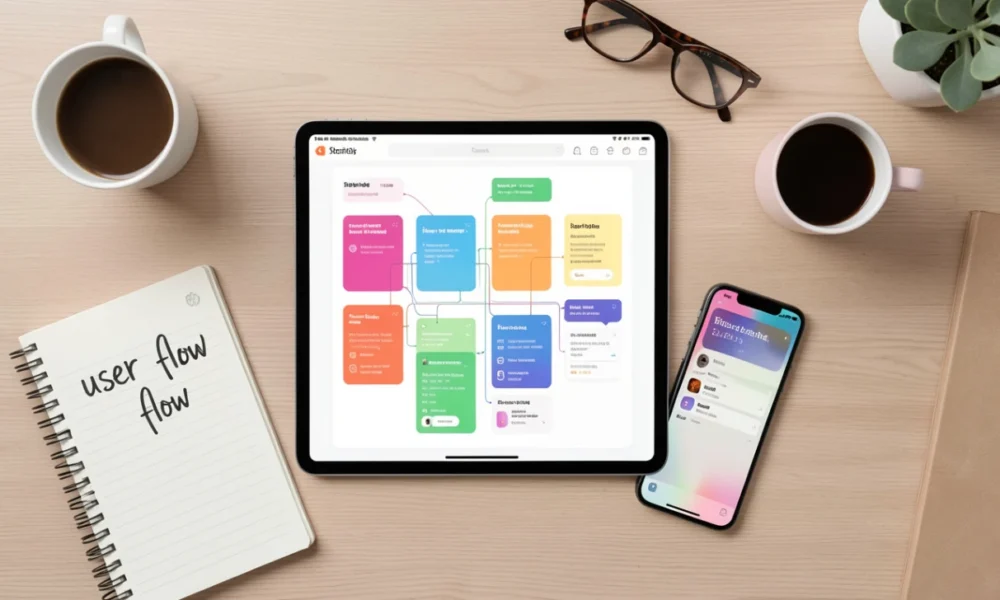
Phase 1: Planning and Design. This phase translates your idea into a concrete plan. It involves detailing your app’s user flows, creating wireframes (the basic skeletal structure of your screens), and designing the User Interface (UI) and User Experience (UX). A clean, intuitive design is critical; users form an opinion about your app within seconds, so focus on simplicity and clarity
Phase 2: Development and Architecture. This is where the actual building happens. The frontend (what users see and interact with) and the backend (the server, database, and APIs that power the app) are developed. If your app requires user logins, data storage, or interactions between users, you will need a robust backend. Decisions about your tech stack—like whether to use a cloud platform such as AWS or a Backend-as-a-Service like Firebase—are made here .
hase 3: Rigorous Testing T.horough testing is non-negotiable. It involves functional testing to ensure features work correctly, usability testing to see if the app is intuitive, and performance testing to check for speed and stability across different devices. For apps handling personal data, security testing is also critical to ensure compliance with regulations and protect user information . Beta testing with a small group of trusted users can provide invaluable feedback on real-world usage.
Phase 4: Deployment to App Stores Once your app is polished and tested, it’s time for launch. Publishing to the Apple App Store and Google Play Store requires creating developer accounts and following each platform’s specific submission and review guidelines. Preparing compelling app store listings with clear descriptions, screenshots, and preview videos is essential for attracting initial users.
Phase 5: Post-Launch and Continuous Improvement Launching your app is not the finish line; it is the beginning of its life cycle. Successful apps are those that are continuously maintained and improved. This involves monitoring user feedback and analytics to understand how people are using your app, fixing bugs promptly, releasing updates to add new features, and ensuring compatibility with new operating system versions. Regular updates signal to users and the app stores that your app is actively supported and improved.
Final Verdict
Creating an app in 2026 is more accessible than ever. By starting with a well-researched, user-centric idea and choosing the right development path for your specific needs, you can navigate the process with confidence. Whether you opt for the speed of a no-code builder or the complete flexibility of custom development, a structured approach—from planning and design to rigorous testing and continuous improvement—will set the foundation for a successful and enduring app.