

The Benefits of Hiring Local Construction Companies for Your Project
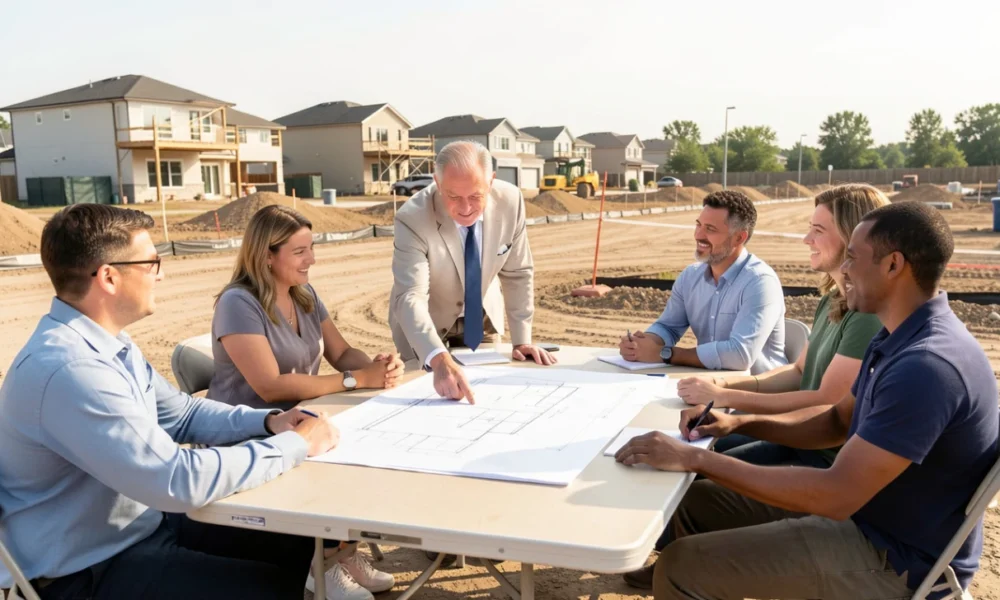
Selecting the right construction company is one of the most consequential decisions for any building project. The company you choose directly influences final quality, budget adherence, project timeline, and your personal stress levels. While large national firms offer scale, local construction companies provide distinct operational advantages rooted in regional presence. These benefits often translate into cost savings, streamlined processes, and direct accountability.
Table Of Content
- Established Local Supplier and Subcontractor Networks
- Discounted Material Pricing
- Priority Scheduling and Service
- Streamlined On-Site Coordination
- Specialized Regional Construction Knowledge
- Climate-Adapted Building Practices
- Site and Soil Familiarity
- Aesthetic and Community Context
- Comprehensive Project Management and Single-Point Accountability
- Accurate, Market-Reflective Project Pricing
- Navigational Expertise with Local Regulatory Bodies
- Permit Acquisition and Processing
- Inspector Relationships and Code Anticipation
- Early Identification of Compliance Issues
- Rapid On-Site Response and Direct Communication
- Contribution to the Local Economic Base
- Frequently Asked Questions
- Is hiring a local construction company more expensive than a national chain?
- How can I verify that a local contractor is properly licensed and insured?
- What should I look for when choosing a local construction company?
- What recourse do I have if disputes arise with a local contractor?
- Summary of Key Advantages
- Conclusion
Established Local Supplier and Subcontractor Networks
Local construction firms operate within a defined geographic area, which allows them to cultivate long-term professional relationships with regional suppliers and specialized tradespeople. These networks are built over years or decades and function differently from transactional, one-off partnerships.
Discounted Material Pricing
Suppliers frequently offer preferential pricing to local contractors who provide consistent, repeat business. Because these contractors order materials regularly and pay reliably, they often secure better rates than a homeowner or an out-of-area firm could obtain independently. These volume or loyalty discounts are typically passed down to the client, reducing the overall material line-item on your estimate.
Priority Scheduling and Service
When material shortages or delivery delays occur, suppliers prioritize their established local clients over new or distant customers. Hiring a general contractor with deep supplier connections means your project is less likely to experience downtime waiting for drywall, lumber, or fixtures. Similarly, subcontractors (electricians, plumbers, HVAC technicians) prioritize work from general contractors who provide them with steady work, ensuring your project has access to qualified labor when needed.
Streamlined On-Site Coordination
The efficiency of a project often depends on how well different trades communicate. When a contractor has worked with the same framing crew, roofing team, and finish carpenters for years, there is an established rhythm. Miscommunications about scheduling, site access, or work sequencing are minimized because the teams already understand each other’s processes.
Specialized Regional Construction Knowledge
Building methods that work in one climate or soil type may fail in another. Local contractors possess applied knowledge of regional conditions that cannot be gained from national building codes alone.
Climate-Adapted Building Practices
A local contractor understands the specific weather patterns of the area. They know the required insulation R-values for local temperature extremes, the best roofing materials to withstand regional hail or wind patterns, and the proper foundation depth to avoid frost heave. This experience prevents premature material failure and ensures the structure performs as intended year-round.
Site and Soil Familiarity
Construction projects interact directly with the land. Local builders are familiar with common soil compositions (clay, sand, loam) and regional drainage patterns. This knowledge informs critical decisions about foundation engineering, waterproofing requirements, and grading to prevent future water damage or structural settling issues.
Aesthetic and Community Context
Beyond technical requirements, local construction companies understand the architectural character of the community. While you may have a unique vision for your home or commercial building, a local contractor can guide design choices to ensure the new structure complements the neighborhood rather than clashing with it. This awareness is valuable for homeowners’ associations (HOAs) and municipal design review boards.
Comprehensive Project Management and Single-Point Accountability
Managing a construction project requires coordinating dozens of vendors and hundreds of decisions. Local construction companies typically offer full-service project management, acting as the central hub for all activity.
- Unified Communication: Instead of the owner acting as a go-between for the architect, structural engineer, excavator, framer, and finish crew, the general contractor consolidates all communication. The project manager ensures each trade has the information they need when they need it.
- Consistent Quality Control: With a single project manager overseeing all phases, quality standards are applied uniformly. Deficiencies in one trade’s work are identified before the next trade covers them up, reducing the need for rework.
- Simplified Problem Resolution: When unexpected issues arise (and they almost always do), having one point of contact simplifies the process. You address concerns to the project manager, who is responsible for coordinating the solution, rather than determining which subcontractor is at fault.
Accurate, Market-Reflective Project Pricing
Pricing accuracy improves when a contractor operates within the same economic environment as the project. Local construction companies base their estimates on current, real-world costs.
- Real-Time Labor and Material Rates: They know what local tradespeople charge and what suppliers are currently quoting for materials. This prevents the inflated “buffer” pricing that distant contractors might add to cover unknown market conditions.
- Elimination of Contractor Travel Costs: Hiring a firm from outside the immediate area often involves hidden expenses such as daily travel fees, per diems for crew members, or temporary accommodation costs. Local crews travel from their home base without these surcharges.
- Reduced Logistics Expenses: Rush shipping for forgotten materials or specialized items is less common when a contractor has local supplier relationships. Standard ground shipping or local pickup is usually sufficient, avoiding expensive expedited freight charges.
Navigational Expertise with Local Regulatory Bodies
Municipal building codes, zoning ordinances, and permit processes are not uniform. A local contractor’s familiarity with the specific jurisdiction where you are building is a practical advantage.
Permit Acquisition and Processing
Local building departments have unique application requirements, fee structures, and review timelines. Contractors who work regularly in a specific city or county know exactly which forms are needed, how many copies to submit, and which officials handle specific reviews. This familiarity can shorten the permit waiting period.
Inspector Relationships and Code Anticipation
While inspectors must remain impartial, a predictable working relationship exists between contractors and local inspection departments. Contractors who consistently produce code-compliant work are known to inspectors. This familiarity can lead to more efficient inspections because the inspector trusts the contractor’s base level of quality. Furthermore, an experienced local contractor anticipates what the inspector will look for and corrects potential violations before the official walkthrough.
Early Identification of Compliance Issues
Local requirements may exceed the baseline state or national codes. A contractor with recent local experience will know about specific requirements for things like fire-resistant landscaping in wildfire zones, stormwater management in areas with sensitive watersheds, or historical preservation rules in designated districts. Addressing these during design is far cheaper than correcting them during construction.
Rapid On-Site Response and Direct Communication
Physical proximity creates operational responsiveness that remote project management cannot match.
- Immediate Site Visits: If an unexpected foundation issue is discovered during excavation, a local project manager can be on-site within hours to assess the situation and make decisions. Delays caused by waiting for a distant supervisor are minimized.
- In-Person Meetings: Complex decisions are often communicated more effectively face-to-face. The ability to meet at the site, review a condition in person, and make a joint decision reduces the potential for misunderstandings inherent in phone calls, texts, or emails.
- Accessibility and Accountability: When your contractor’s office is in the same town, you have a physical place to go. This accessibility reinforces accountability; a company that depends on local reputation is highly motivated to resolve any service issues promptly.
Contribution to the Local Economic Base
Hiring locally extends beyond the direct benefits to your project and impacts the broader community economy.
- Economic Multiplier Effect: Money paid to a local contractor is recirculated within the community. The contractor pays local employees, who spend their wages at local grocery stores and restaurants. They buy materials from regional suppliers, who in turn pay local property taxes and employ residents.
- Support for the Skilled Trades: Construction projects support jobs for local carpenters, electricians, plumbers, and laborers. Investing in local construction helps maintain a skilled workforce in your area, which benefits property values and future building projects.
- Tax Base Support: Local contractors and their employees pay local income and property taxes, contributing to funding for schools, infrastructure, and public services.
Frequently Asked Questions
Is hiring a local construction company more expensive than a national chain?
Generally, no. Local companies often provide competitive or better pricing because they lack the overhead of large corporate structures and benefit from established local supplier discounts. You are paying for local market rates, not a national average plus corporate overhead.
How can I verify that a local contractor is properly licensed and insured?
Request their contractor license number and verify it through your state’s licensing board website. Ask for a certificate of insurance showing general liability and workers’ compensation coverage, and ensure the policy dates are current.
What should I look for when choosing a local construction company?
Look for a company with a physical office address in your area. Ask for references from recent projects similar to yours. Check their standing with the local Better Business Bureau (BBB) and read reviews on platforms like Google Maps. Visit a current jobsite (with permission) to observe their organization and cleanliness.
What recourse do I have if disputes arise with a local contractor?
Local contractors depend on their community reputation. The motivation to resolve disputes quickly to maintain a positive standing is often higher for them than for out-of-area firms. Additionally, legal recourse through local small claims court or mediation is more practical when both parties are in the same jurisdiction.
Summary of Key Advantages
| Advantage Area | How Local Companies Deliver Value |
|---|---|
| Supply Chain | Discounts from suppliers, priority delivery, and access to reliable subcontractors. |
| Technical Knowledge | Expertise in local climate, soil, drainage, and appropriate building techniques. |
| Regulatory Compliance | Faster permitting, anticipation of inspector expectations, and knowledge of local codes. |
| Cost Accuracy | Estimates based on current local labor and material rates, without hidden travel costs. |
| Communication | Rapid on-site response times and the ability to hold face-to-face project meetings. |
| Accountability | Strong motivation to protect the community’s reputation, leading to responsive service. |
Conclusion
Selecting a local construction company aligns your project interests with practical, on-the-ground advantages. The depth of their regional supply chain relationships, their familiarity with municipal regulatory processes, and their understanding of local environmental conditions contribute to a smoother, more predictable construction process. These factors, combined with transparent local pricing and a vested interest in community reputation, make local firms a structurally advantageous choice for projects where quality, budget, and timeline are priorities. Your building investment benefits from their local expertise, and the local economy benefits from your investment.