

Machu Picchu Tours: Complete 2026 Guide to Planning Your Visit
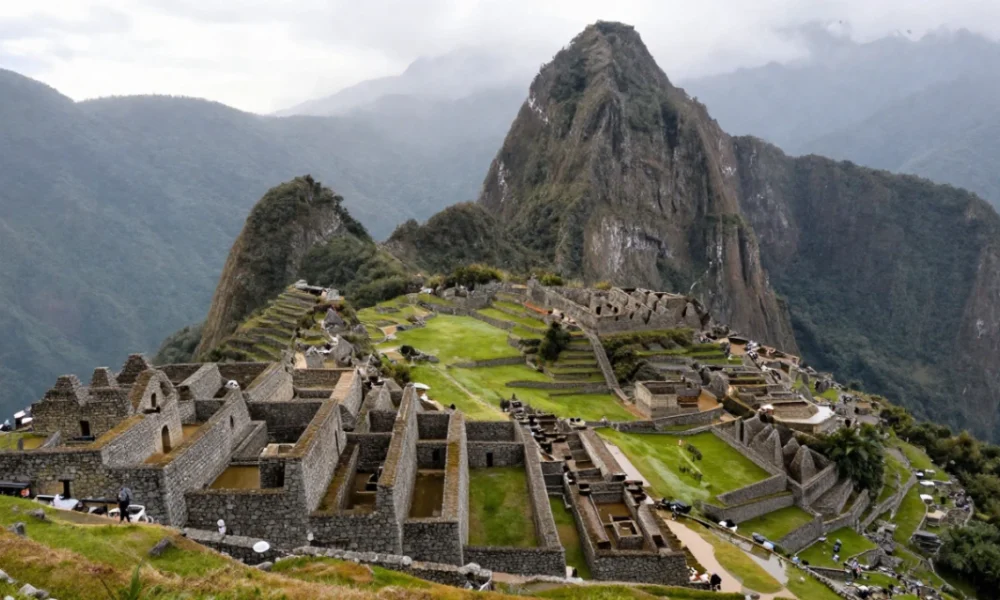
Visiting Machu Picchu requires careful planning, from securing entrance tickets to choosing the right tour package. This ancient Incan citadel in the Andes Mountains of Peru attracts over one million visitors annually, making it essential to book your tour well in advance.
Table Of Content
- Understanding Machu Picchu Tours
- Trek Alternatives to Machu Picchu
- Classic Inca Trail (4 Days)
- Short Inca Trail (2 Days)
- Salkantay Trek (4-5 Days)
- Inca Jungle Trail (3-4 Days)
- Machu Picchu Site Information
- Key Structures and Areas
- Mountain Hikes
- Circuit System and Entry Tickets
- Getting to Machu Picchu
- When to Visit Machu Picchu
- Dry Season (May to October)
- Shoulder Season (April, November)
- Wet Season (December to March)
- Best Time for Photography
- Booking Your Machu Picchu Tour
- Planning Your Visit
- Guide Services
- Extending Your Cusco Trip
- Historical Background
- Practical Considerations
- Conclusion
This guide covers everything you need to know about Machu Picchu tours, including package options, booking procedures, trek alternatives, and practical travel information. Whether you’re planning a full-day train journey or a multi-day Inca Trail expedition, you’ll find the details necessary to make your visit both memorable and well-organized.
Machu Picchu, a UNESCO World Heritage Site and one of the New Seven Wonders of the World, provides access to Inca civilization through its preserved architecture and strategic location at 2,430 meters (7,970 feet) above sea level.
Understanding Machu Picchu Tours
Tour packages to Machu Picchu vary significantly in duration, price, and included services. Most tours depart from Cusco or the Sacred Valley and include transportation, entrance tickets, and guided services.
Full-Day Tours by Train
The most popular option for visitors with limited time. Departures from Cusco or Ollantaytambo include train tickets (Peru Rail or Inca Rail), bus transportation to the citadel, entrance fees, and a bilingual guide. Tours typically last 12-14 hours.
2-Day Tours
These packages combine train travel with an overnight stay in Aguas Calientes (Machu Picchu Pueblo). Visitors explore the ruins early in the morning before crowds arrive, then return to Cusco the following day. Hotels in Aguas Calientes range from budget hostels to luxury properties.
Multi-Day Packages
Extended tours (4-7 days) combine Machu Picchu with other Cusco region attractions, including the Sacred Valley, Pisac ruins, Ollantaytambo fortress, Moray agricultural terraces, and Maras Salt Mines. Some packages extend to Rainbow Mountain (Vinicunca), Humantay Lake, or Lake Titicaca.
Private vs Group Tours
Private tours offer personalized schedules and dedicated guides but cost more per person. Group tours (typically 8-16 people) provide better value and opportunities to meet fellow travelers.
Luxury Experiences
Premium packages feature the Belmond Hiram Bingham train with gourmet dining, the Vistadome Observatory train with panoramic windows, and five-star hotels in Cusco and Aguas Calientes.
Trek Alternatives to Machu Picchu
While train tours provide comfort and convenience, several trekking routes offer immersive experiences through Andean landscapes.
Classic Inca Trail (4 Days)
The traditional route to Machu Picchu covers 43 kilometers through cloud forest, mountain passes, and archaeological sites, including Wiñaywayna and Phuyupatamarca. Hikers arrive at Machu Picchu through the Sun Gate (Inti Punku) at dawn on day four.
Permits are limited to 500 per day (including guides and porters) and sell out months in advance, especially for May through September. Tour operators provide camping equipment, meals, and porter services.
Short Inca Trail (2 Days)
This abbreviated version starts at Kilometer 104 and covers 12 kilometers to Machu Picchu. Hikers visit Wiñaywayna ruins and enter through the Sun Gate, with overnight accommodation in Aguas Calientes hotels rather than camping.
Salkantay Trek (4-5 Days)
An alternative route that crosses the Salkantay Pass at 4,650 meters before descending into tropical cloud forest. The trek ends in Aguas Calientes rather than at Machu Picchu itself. This route doesn’t require advance permits and offers varied terrain from snow-capped peaks to coffee plantations.
Inca Jungle Trail (3-4 Days)
Adventure-focused route combining downhill mountain biking, hiking, optional ziplining, and white water rafting. The trail passes through Santa Teresa with its thermal baths before reaching Aguas Calientes.
Lares Trek connects traditional Andean villages with textile weaving communities before joining the train to Machu Picchu. Choquequirao Trek visits the remote “sister city” of Machu Picchu, requiring 4-6 days of challenging hiking.
Machu Picchu Site Information
Key Structures and Areas
Temple of the Sun
This semi-circular tower features precise stonework and alignment with solstice positions. The curved wall contains the best example of Inca masonry at the site.
Temple of the Three Windows
Trapezoidal openings face the Sacred Plaza and the rising sun, representing the Inca concept of the three levels of existence.
Intihuatana Stone
Often called the “Hitching Post of the Sun,” this carved rock pillar served astronomical and ceremonial purposes. It’s one of the few such stones that Spanish conquistadors didn’t destroy.
Sacred Rock
This boulder mirrors the shape of mountains visible behind it, demonstrating Inca reverence for natural landscape features.
Temple of the Condor
Natural rock formations carved to resemble an Andean condor with outstretched wings.
The Guardhouse
Positioned at the main entrance, this thatched-roof structure offers the classic panoramic view seen in most Machu Picchu photographs.
Sun Gate (Inti Punku)
The original Inca Trail entrance point is located 300 meters above the main citadel. A 1-2 hour hike from the site provides sunrise views for those staying overnight in Aguas Calientes.
Inca Bridge
A narrow pathway leading to a removable wooden plank bridge over a cliff face, designed as a secret entrance or defensive position.
Mountain Hikes
Huayna Picchu Mountain
The steep peak rising behind Machu Picchu is in classic photographs. The 2-3 hour climb includes narrow staircases and the Temple of the Moon. Limited to 200 visitors per day with timed entry slots.
Machu Picchu Mountain
A longer, less steep alternative offering panoramic views from an elevation of 3,082 meters. The 3-4 hour hike accommodates 400 visitors daily.
Both mountains require separate tickets purchased in advance alongside Machu Picchu entrance tickets.
Circuit System and Entry Tickets
Since 2024, Machu Picchu has used three designated circuits to manage visitor flow and preserve the site.
Circuit 1 (Panoramic)
Includes the Guardhouse viewpoint and upper agricultural terraces. Best for photography and overview perspectives. Does not include access to main temples.
Circuit 2 (Classic)
Covers the urban sector with temples, plazas, and ceremonial areas, including the Temple of the Sun and Royal Tomb. Most comprehensive route.
Circuit 3 (Royal)
Focuses on agricultural terraces and water channels with limited access to major structures.
Entry tickets must specify both the circuit and the entry time slot. Tickets are date-specific and non-refundable. Purchase through the official Ministry of Culture website or authorized tour operators 2-3 months in advance during peak season.
Getting to Machu Picchu
Most visitors fly into Cusco’s Alejandro Velasco Astete International Airport from Lima (1.5-hour flight). Spend 2-3 days in Cusco before visiting Machu Picchu to acclimatize to the 3,400-meter elevation.
- From Poroy (Cusco): Peru Rail Expedition and Vistadome trains (3.5-4 hours). Limited departures, mainly in dry season.
- From Ollantaytambo (Sacred Valley): Most frequent departures via Peru Rail and Inca Rail (1.5-2 hours). Ollantaytambo is 2 hours from Cusco by road.
- Luxury Service: The Belmond Hiram Bingham train operates between Poroy and Aguas Calientes with gourmet meals, live music, and guided tours included.
Train tickets should be booked 2-4 weeks in advance. Budget-conscious travelers can take collectivo vans from Cusco to Ollantaytambo and board trains there at lower cost.
Buses depart every 10 minutes from Aguas Calientes to the Machu Picchu entrance, taking 25-30 minutes up winding mountain roads. Purchase tickets online or at the bus station. Alternatively, hike the steep pathway in 1.5-2 hours.
Budget travelers can take buses from Cusco to Santa Teresa, then walk along the train tracks from the Hydroelectric station to Aguas Calientes (2-3 hours). This option costs significantly less than trains but requires more time and physical effort.
When to Visit Machu Picchu
Dry Season (May to October)
Peak tourist months with clear skies and minimal rainfall. June through August see the largest crowds and highest prices. September and October offer a balance of good weather with fewer visitors.
Shoulder Season (April, November)
April sees reduced rainfall as the wet season ends. November marks the beginning of the rainy season but offers lower prices and smaller crowds.
Wet Season (December to March)
Higher rainfall and humidity, particularly in January and February. The Inca Trail closes entirely in February for maintenance. Advantages include lush green landscapes, fewer tourists, and lower accommodation prices. The site remains open year-round despite weather conditions.
Best Time for Photography
May and June provide the greenest landscapes following the rainy season. October offers clear skies with manageable crowds. Sunrise visits (6-7 AM entry) provide the best light and fewer people.
Booking Your Machu Picchu Tour
6 months ahead: Book Classic Inca Trail permits (required for May-September)
2-3 months ahead: Reserve Machu Picchu entrance tickets, train tickets, and hotels during peak season
1 month ahead: Book full-day tours and alternative treks during the shoulder season
2 weeks ahead: Minimum recommended booking time for wet season visits
Standard tour packages typically include entrance tickets, train tickets (if applicable), bus transportation, bilingual guide services, and lunch. Verify what each package covers before booking. Premium packages may add hotel accommodations, meals, airport transfers, Sacred Valley tours, and porter services for treks.
Licensed tour operators must employ certified guides and follow environmental regulations. Research companies through reviews on TripAdvisor and check for proper licensing through the Peruvian Ministry of Culture.
Reputable operators provide detailed itineraries, clear cancellation policies, and 24/7 support during your trip. Price differences often reflect guide expertise, group size, meal quality, and equipment standards for treks.
Planning Your Visit
Cusco sits at 3,400 meters while Machu Picchu is at 2,430 meters. Arrive in Cusco 2-3 days before your tour to acclimatize. Symptoms of altitude sickness include headaches, nausea, and shortness of breath.
Drink coca tea, stay hydrated, avoid alcohol, and limit physical exertion on arrival. Consult a doctor about altitude sickness medication if you have concerns.
- Essential items: Valid passport (required for entry), entrance tickets, sun protection (hat, sunscreen, sunglasses), rain jacket, comfortable walking shoes, water bottle, insect repellent, and cash in Peruvian soles.
- Recommended additions: Walking poles for mountain hikes, a lightweight backpack, a camera, snacks, and hand sanitizer.
Pack layers for variable weather. Mornings are cool (8-12°C) while afternoons warm up (18-22°C).
Most hotels in Cusco and Aguas Calientes store large luggage for day visitors. Machu Picchu allows only small backpacks (maximum 25 liters) inside the site.
Bathrooms are located outside the main entrance only. No food or drinks are sold inside. Restaurants and shops are available in Aguas Calientes.
Guide Services
While guides are no longer mandatory as of 2024, hiring a certified bilingual guide significantly improves your experience. Guides provide historical context, point out details in the architecture, and explain Inca culture and astronomy.
Group guides are typically included in tour packages. Private guides can be hired through tour operators or at the entrance, though availability isn’t guaranteed without advance booking.
Plan 2-3 hours for a basic tour of the main citadel. Allow 4-5 hours if including a mountain hike. The site can be explored independently after guided tours conclude.
Photography is permitted throughout the site. Tripods and drones are prohibited. The Guardhouse viewpoint offers the classic panoramic shot. Early morning provides the best lighting before clouds roll in.
Extending Your Cusco Trip
A full-day Sacred Valley tour visits Pisac market and ruins, Ollantaytambo fortress, and Chinchero textile village. This tour pairs well with a 2-day Machu Picchu package.
The historic center features Inca and colonial architecture. Key sites include Plaza de Armas, Cusco Cathedral, Qorikancha (Temple of the Sun), Sacsayhuamán fortress, Q’enqo ceremonial site, and San Blas artisan quarter.
- Rainbow Mountain (Vinicunca): Full-day trek to multi-colored geological formations at 5,200 meters. Requires good physical conditioning.
- Humantay Lake: Turquoise glacial lake at 4,200 meters reached by a 2-hour hike.
- Moray and Maras: Circular Inca agricultural terraces and colonial-era salt evaporation ponds.
Combine Cusco and Machu Picchu with Lake Titicaca (floating Uros Islands), Arequipa and Colca Canyon (Andean condors), or Amazon rainforest tours in Manu or Tambopata National Reserves.
Historical Background
Construction of Machu Picchu began around 1450 during the reign of Pachacuti, the ninth Sapa Inca who expanded the empire. The site served as a royal estate and sacred religious center, though its exact purpose remains debated among archaeologists.
Built without mortar using ashlar masonry techniques, the precision-cut stones have withstood centuries of earthquakes. The citadel includes approximately 200 structures across agricultural, urban, and religious sectors.
Machu Picchu was abandoned around 1572 during the Spanish conquest of Peru. Its remote location prevented Spanish discovery, and jungle overgrowth concealed the ruins until American historian Hiram Bingham brought international attention to the site in 1911.
Local Quechua communities knew of Machu Picchu’s location throughout the colonial period and directed Bingham to the ruins. Peru declared the area a Historical Sanctuary in 1981. UNESCO designated it a World Heritage Site in 1983, recognizing its cultural significance and unique preservation.
Practical Considerations
- Full-day train tours: $250-400 per person
- 2-day train tours: $350-600 per person
- Classic Inca Trail: $600-1,000 per person
- Private tours: Add 50-100% to group tour prices
- Luxury packages: $1,500+ per person
Budget separately for tips (guides, porters), extra meals, souvenirs, and additional activities.
Follow marked pathways and respect barrier ropes. Mountain trails include steep staircases and narrow ledges. Carry sufficient water and sun protection. Purchase comprehensive travel insurance covering medical emergencies and evacuation from remote areas.
Machu Picchu limits daily visitors to preserve the site. Carry out all trash. Stay on designated paths to prevent erosion. Single-use plastics are prohibited. Support responsible tour operators who treat porters fairly, limit environmental impact, and contribute to local communities.
Conclusion
Machu Picchu tours require planning, particularly during peak season from May to September. Choose between convenient train journeys and immersive multi-day treks based on your fitness level, available time, and budget.
Book entrance tickets and permits 2-3 months ahead. Verify that tour packages include all necessary components—entrance tickets, transportation, and guide services. Allow extra days in Cusco for altitude acclimatization before your visit.
Whether arriving through the Sun Gate after days of trekking or by train through the Urubamba Valley, Machu Picchu delivers an encounter with one of humanity’s most remarkable archaeological achievements. The combination of architectural precision, mountain setting, and preserved Inca culture creates an experience that justifies its status as a world wonder.