

How to Extend Hybrid Battery Life: Temperature, Driving, and Charging Strategies
Hybrid vehicles offer improved fuel efficiency and reduced emissions, making them an attractive option for environmentally conscious drivers. However, battery replacement costs ranging from $2,000 to $8,000 remain a significant concern. Most hybrid batteries last 100,000 to 200,000 miles with proper care, and understanding key maintenance factors can help you avoid premature replacement.
Table Of Content
This guide covers temperature management, driving techniques, charging practices, and preventive maintenance to help you maximize battery performance and lifespan.
Understanding Hybrid Car Batteries
Hybrid vehicles use either nickel-metal hydride (NiMH) or lithium-ion (Li-ion) batteries. NiMH batteries have been used since the late 1990s and are known for their durability. Li-ion batteries offer higher energy density and longer driving ranges but are more sensitive to temperature extremes.
Hybrid batteries store energy generated during braking and deceleration through regenerative braking. This stored energy powers the electric motor and assists the gasoline engine, improving fuel efficiency. The battery also supplies power to accessories like air conditioning and lighting, reducing load on the engine.
Most hybrid batteries are designed to last 10 to 15 years or 150,000 to 200,000 miles under normal driving conditions. Federal regulations require minimum warranty coverage of eight years or 100,000 miles. In states following California Air Resources Board (CARB) rules, manufacturers must provide 10 years or 150,000 miles of coverage. Toyota, Honda, Hyundai, and other manufacturers typically offer warranties that cover battery failures and capacity degradation below 70% of original capacity during the warranty period.
Temperature Management
Extreme heat accelerates battery degradation by increasing the rate of chemical reactions within battery cells. Li-ion batteries are particularly vulnerable to heat damage compared to NiMH batteries. Prolonged exposure to temperatures above 95°F can cause permanent damage to battery cooling systems and reduce overall lifespan.
Cold climates increase internal resistance within the battery, reducing its ability to deliver and receive charge. Temperatures below 59°F can decrease vehicle performance and battery efficiency. Cold weather also thickens the electrolyte fluid, impacting ion transfer and reducing overall capacity.
Effective temperature protection strategies:
- Park in shaded areas during hot weather and use garage spaces in cold climates whenever possible
- Use battery heaters or cooling fans if your hybrid model includes these temperature regulation features
- Activate the pre-heating function in cold climates to warm the battery before driving
- Keep the battery within the ideal temperature range of 59°F to 95°F for maximum efficiency
- Avoid extended exposure to extreme temperatures outside this range
Driving Habits That Preserve Battery Life
Rapid acceleration and hard braking increase the rate of charge and discharge cycles, accelerating battery degradation. Aggressive driving creates higher engine speeds, generating increased friction and heat that further impact battery health.
Maintain a steady speed and accelerate gradually to reduce load on the battery and improve fuel efficiency. Smooth driving minimizes the need for frequent braking, allowing regenerative braking to recapture more energy and maintain battery charge.
Coast when approaching stops by easing off the accelerator early, allowing the vehicle to recapture energy without applying brakes. Maintain proper tire pressure and keep the vehicle well-maintained to reduce demand on the battery. Use Eco mode when available to adjust acceleration and climate control settings for better fuel economy.
Avoid letting the vehicle sit idle for extended periods. Drive your hybrid at least once every one to two weeks for 20 to 30 minutes to prevent deep discharge damage. Extended inactivity can cause the battery to drop to critically low charge levels, potentially causing permanent capacity loss.
Charging Practices for Plug-In Hybrids
Overcharging causes excessive heat buildup and voltage stress, leading to permanent damage. Deep discharges, where the battery drains below 20%, reduce capacity and overall lifespan. Avoid charging to 100% capacity regularly, as this places stress on battery cells.
Keep the battery charge level between 20% and 80% for daily use. This range reduces stress on battery cells and extends lifespan. Only charge to 100% when necessary for long trips or when the vehicle’s battery management system recommends recalibration.
Use Level 1 or Level 2 charging whenever possible. While Level 3 DC fast charging is convenient, frequent fast charging can reduce battery lifespan by approximately 10% over eight years compared to slower charging methods. Fast charging generates more heat and stress on battery cells.
Best charging practices to follow:
- Charge during off-peak hours, typically at night, to take advantage of lower electricity rates
- Do not leave the vehicle plugged in for extended periods once it reaches full charge
- Select charging modes that charge to 80% for regular daily use, if available
- For plug-in hybrids stored for extended periods, maintain a 50% to 70% charge level
- Avoid frequent DC fast charging unless necessary for long-distance travel
Battery Cooling System Maintenance
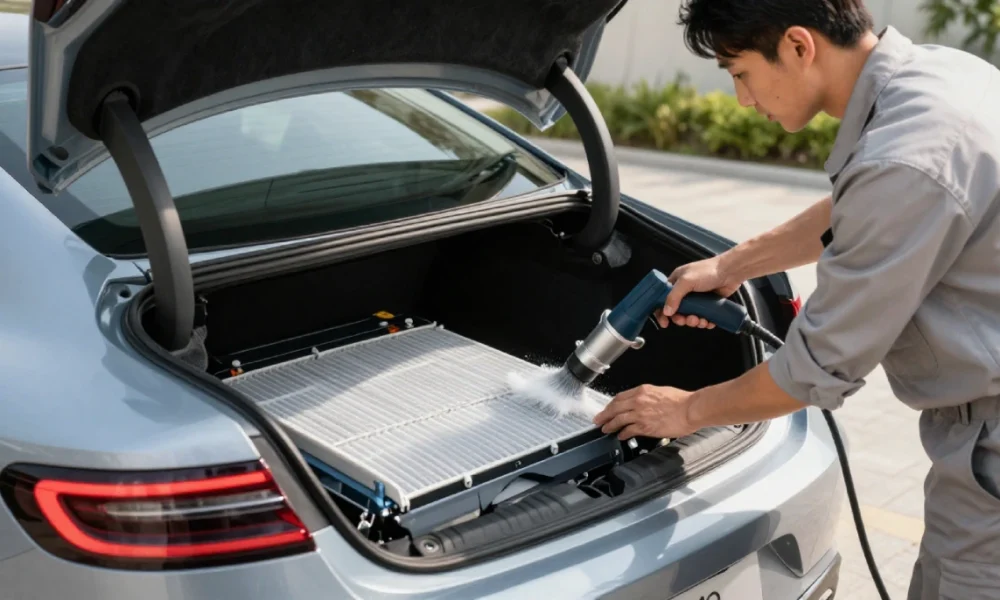
The hybrid battery cooling filter is one of the most overlooked maintenance items. This filter prevents dust, debris, pet hair, and pollen from blocking airflow through the battery pack. When the filter becomes clogged, the battery runs hotter than designed, accelerating wear and significantly shortening lifespan.
Many hybrid owners are unaware that this filter exists. Accumulated debris creates a bottleneck that reduces airflow velocity through the battery compartment. Even a partially clogged filter can increase operating temperatures by several degrees, compounding into serious degradation over time.
Inspect the cooling filter every 5,000 miles for debris, lint, and dust accumulation. Clean or replace the filter every 20,000 to 30,000 miles, depending on driving conditions. Vehicles driven in dusty environments or with pets should have more frequent inspections.
Toyota recommends using a vacuum to clean the filter. If using compressed air, remove the filter from the duct and blow opposite to the normal airflow direction. The filter is typically located behind the rear seat or in the cargo area, depending on your vehicle model.
Ensure battery cooling vents remain clear of obstructions. Check coolant levels regularly and inspect for leaks or blockages in the cooling system. Proper coolant maintenance prevents overheating, which can damage the battery and reduce its lifespan.
Preventive Maintenance and Warning Signs
Follow the manufacturer’s recommended maintenance schedule, including routine services such as cooling system inspections and electrical component checks. Stay on top of general vehicle maintenance like oil changes and tire rotations, which contribute to battery performance by reducing overall vehicle stress.
Have a qualified technician inspect the battery, cables, connectors, and sensors regularly. These checks identify signs of wear, corrosion, or damage, allowing for proactive repairs. Annual comprehensive inspections of the hybrid system, including battery health checks, can identify potential issues early.
Monitor for decreased fuel efficiency, reduced electric-only driving range, and unusual engine behavior. Dashboard warning lights related to the hybrid system should be addressed immediately. Other signs include the battery gauge no longer reaching full capacity or the vehicle taking longer to start.
If the battery charge drops to zero and remains idle for days or weeks, it can suffer from deep discharge damage. Regular use prevents this condition and maintains battery health. Consult qualified technicians with expertise in hybrid battery systems for annual health check-ups. These specialists use diagnostic tools to assess battery state of charge, identify cell imbalances, and check software updates.
Conclusion
Extending hybrid battery life requires attention to temperature management, driving habits, charging practices, and regular maintenance. By parking in temperate locations, adopting smooth driving behaviors, maintaining proper charge levels, and cleaning the cooling filter regularly, you can significantly extend battery lifespan.
Most hybrid batteries are designed to last 10 to 15 years with proper care, backed by comprehensive warranties. Regular professional inspections and adherence to manufacturer guidelines will help you avoid costly replacements and enjoy efficient driving for years to come.