

How to Repair Gutters Yourself: 7 Common Problems and Simple Fixes
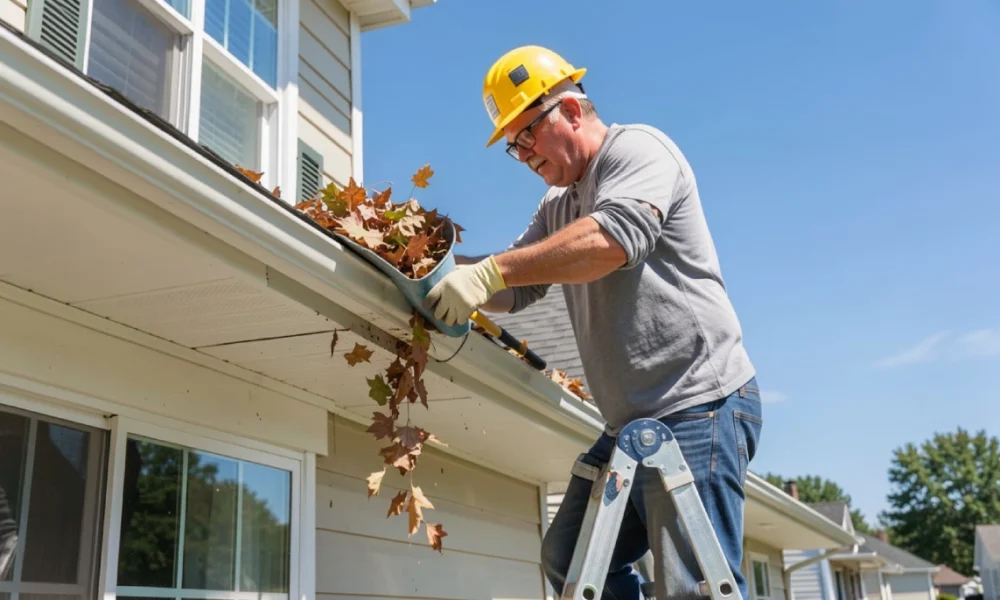
Anyone who owns a house should know the importance of regular gutter maintenance in protecting the structure. Gutters are responsible for directing rainwater away from the roof and foundation. When they fail, moisture can accumulate, leading to roof damage, wood rot, or basement flooding.
Table Of Content
Gutters are constantly exposed to sun, rain, snow, and debris. Over time, they wear down and may stop functioning correctly. However, not every defect requires a full replacement or a professional contractor. Many common gutter problems can be resolved with basic tools and a few hours of work. This guide covers three frequent issues homeowners can safely address themselves: clogs, sagging sections, and loose connections.
Tools and Safety Preparation
Before starting any DIY gutter repair, assemble the necessary tools and take proper safety precautions. Working at height carries inherent risks, so preparation is essential.
You will likely need:
- A sturdy, extendable ladder
- Work gloves to protect against sharp edges and debris
- A garden trowel or small plastic scoop
- A bucket for collecting debris
- A garden hose with a spray nozzle
- A cordless drill with screwdriver bits
- A level
- Replacement gutter hangers or brackets (if needed)
Position the ladder on stable, level ground. If possible, have a second person hold the ladder base for stability. Never overreach while on the ladder; climb down and move it instead. Avoid working on wet or windy days.
Clearing Clogged and Overflowing Gutters
The most common gutter problem is overflowing water during rain. This almost always points to a blockage. When gutters fill with leaves, twigs, and dirt, water cannot flow toward the downspouts and instead spills over the edges.
Clearing a clog is a straightforward maintenance task. First, remove large debris by hand or with a trowel, depositing it into a bucket. After the bulk material is cleared, use a garden hose to flush the gutter. Start at the end farthest from the downspout. Watch the water flow. If it pools or drains slowly, there may be a remaining blockage in the downspout itself.
To clear a downspout clog, try using a plumber’s snake or a stiff brush. Alternatively, a strong blast of water from a hose can sometimes dislodge the obstruction. If you use a hose, feed it from the top of the downspout downward.
When to call a professional: If water continues to overflow after a thorough cleaning, the problem may be improper gutter pitch (slope) or a more serious structural issue. In that case, consulting a gutter repair specialist is advisable.
Correcting Sagging Gutters
Gutters should maintain a slight slope toward the downspouts so water drains properly. When gutters sag or pull away from the roofline, they create low spots where water collects. This usually happens because the supporting hardware has loosened or failed.
Checking and Tightening Hardware
Inspect the screws or brackets holding the gutter to the fascia board. Over time, these can work loose due to wind, ice, or general wear. Using a cordless drill, tighten any visible screws. If screws spin without gripping, they may have stripped the wood. In that case, remove them, install longer screws, or move to a new spot slightly above or below the original.
Replacing Worn Hangers
If tightening does not solve the sag, the hangers themselves may be damaged. Gutter hangers are the brackets that support the gutter from behind. A rusted or bent hanger cannot hold the correct pitch.
To replace a hanger:
- Support the gutter section to prevent it from dropping.
- Remove the screw or nail securing the old hanger.
- Slide the old hanger out and insert a new one of the same type.
- Secure the new hanger with a corrosion-resistant screw.
After replacing hangers, use a level to check the slope. Gutters should slope approximately half an inch for every 10 feet of length toward the downspout.
Repairing Leaking Gutters and Downspouts
Leaks can develop at the seams where gutter sections join or where downspouts connect. While sealing a small leak is a manageable DIY task, larger holes or rust spots may indicate the need for section replacement.
1. Sealing Minor Leaks
For small holes or cracks, a gutter sealant (a specialized waterproof caulk) can provide a temporary or semi-permanent fix. Clean the area thoroughly and allow it to dry completely before applying sealant according to the product instructions.
2. Addressing Downspout Separation
Downspouts are responsible for carrying water from the gutters to the ground. They consist of sections that fit together. Over time, these sections can separate at the joints, or the connection at the gutter outlet can loosen. When this happens, water spills down the side of the house instead of being directed away.
This repair is typically simple. Locate the loose connection and tighten the crimped end or the screws that hold the sections together. If a downspout strap (the piece holding it against the wall) has pulled away, reattach it with new screws.
Conclusion
Gutter problems occur regularly due to weather and debris accumulation. Many common issues—clogs, sagging sections, loose downspouts—do not require specialized training or expensive tools. By following basic safety practices and using simple techniques, homeowners can often restore their gutters’ function quickly.
However, recognizing the limits of a DIY approach is also important. If you encounter extensive rust, large holes, or persistent leaks after repairs, a professional assessment is the most reliable next step.