

Home Décor Tips That Actually Work: Room-by-Room Guide
Home Décor Tips That Actually Work. Home decoration should be enjoyable, but many homeowners end up redoing choices that looked good in theory and fell flat in practice. Whether you’re refreshing a single room or approaching a full interior overhaul, a structured, room-by-room approach reduces trial and error significantly. Below are practical tips covering each key area of the home — starting from the outside in.
Table Of Content
Start at the Front Door
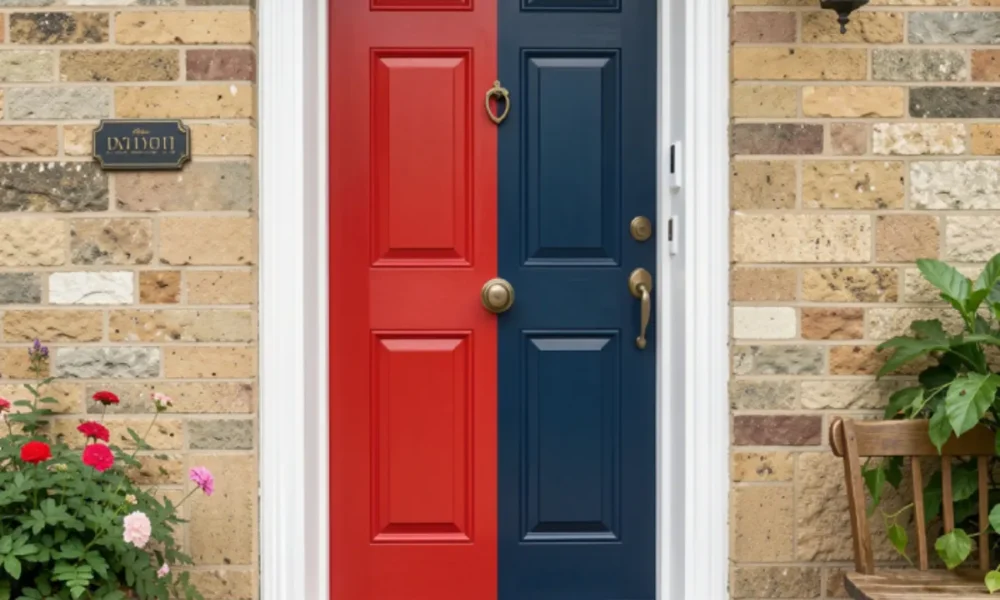
Most interior design guides skip the entryway entirely, jumping straight to living rooms and kitchens. That’s a mistake. The front door is the first visual impression your home makes, and it sets expectations for everything inside.
A few effective changes can completely shift how your entryway reads:
- Door color: Deep, saturated shades — navy blue, forest green, matte black, or a warm burgundy — are strong choices that work across architectural styles. These tones have remained consistent in interior design trends through 2024 and 2025.
- Hardware: Replacing builder-grade door handles with vintage brass, matte black, or brushed nickel fixtures is a low-cost, high-impact upgrade.
- House numbers: Replacing standard metal numbers with a style that matches the exterior finish (brushed bronze, ceramic, or backlit acrylic) adds cohesion.
- Welcome mat and seating: A simple, high-quality doormat and a small bench or planter, where space allows, make the entry feel considered rather than incidental.
The goal is alignment — the front door should hint at the interior style, not contradict it.
Choosing Interior Paint Colors
Selecting wall paint is frequently underestimated. The wrong color can make a well-furnished room feel off without the owner knowing exactly why. Color perception changes based on room size, ceiling height, natural light, and the undertones of nearby furniture.
Before committing to a shade, consider the following:
Room function: Bedrooms benefit from calming tones — soft greens, warm whites, dusty blues, or muted terracotta. Living rooms can carry deeper, more expressive colors like sage green or warm ochre. Children’s rooms can take playful, brighter hues without visual overload, as long as the saturation is controlled.
Natural light: A north-facing room receives cooler, indirect light. Warm-toned paints — creams, soft yellows, warm grays — compensate well. South-facing rooms handle almost any palette.
Furniture undertones: Every piece of furniture has warm or cool undertones. A paint color that clashes with the dominant furniture tone will make the room feel visually inconsistent, even if both are individually attractive.
Current color direction: Rich, expressive colors have made a strong comeback — deep burgundy, navy blue, saturated green, chocolate brown, and warm earth tones are being used on feature walls, in bedding, and through accent pieces. Jane-Athome These work particularly well in dining rooms, home offices, and primary bedrooms.
Accent walls remain a practical approach for those testing a bolder palette. Whether you paint a single wall with a bold color, apply patterned wallpaper, or hang a large tapestry, accent walls are an easy way to make a statement without overwhelming a room. Extra Space Storage
Furniture Placement and Spatial Balance
Furniture arrangement determines how a room feels to move through and sit in. A common mistake is filling every available surface or wall — this creates visual noise and makes spaces feel smaller, not more furnished.
Good placement follows a few consistent principles:
Define zones first: In open-plan spaces, furniture groupings define distinct areas — a reading corner, a conversation area, a dining zone. Each group should feel self-contained but visually connected to the rest of the room.
Proportion matters: Large rooms need appropriately scaled furniture. A small sofa in a wide living room looks lost. Conversely, oversized pieces in a compact room block circulation and create a cluttered feel.
Leave breathing room: Not every wall needs something against it. Empty space is a deliberate design choice, not a gap to fill.
Symmetry vs. asymmetry: Symmetrical arrangements — matching chairs flanking a sofa, identical side tables — create formality and calm. Asymmetrical layouts feel more relaxed and contemporary, but require careful attention to visual weight so the room still feels balanced.
Multifunctional spaces are increasingly common — rooms that transition from office to lounge to guest space — with modular furniture and convertible pieces helping small spaces serve multiple purposes. DecorMatters If your home requires rooms to serve double duty, build the layout around that function first.
Kitchen Décor: Practical Choices That Hold Up
Kitchens are high-use, high-mess environments. Décor decisions here need to account for heat, steam, cooking residue, and frequent cleaning.
Wall surfaces: Standard wall paint near cooking zones stains quickly and is difficult to clean. Tiles, peel-and-stick backsplash panels, or wipeable wallpaper are more practical options. Wallpapers designed for kitchens — including brick-effect, vintage tile, or botanical prints — are widely available and coordinate easily with cabinetry colors.
Wood paneling: Tongue-and-groove or shiplap panels add warmth and texture to kitchen walls without the fragility of paint. Wood elements used as trim, wall paneling, and cabinetry add architectural warmth throughout the home National Association of Realtors, and this approach works particularly well in kitchen spaces that face an adjacent dining area.
Lighting: A pendant light or a minimalist chandelier above a kitchen island or adjoining dining table does two things: it defines the space visually and improves task lighting. Pendants above a kitchen island or a statement chandelier in the dining room add a touch of vintage-inspired sophistication while drawing the eye to a central focal point. Hommes Studio
Cabinet and surface coordination: Before selecting a wallpaper or backsplash, take note of the existing cabinet finish and countertop tone. Choosing a surface treatment that works with — rather than against — what’s already there reduces the need for costly replacements.
Lighting as a Design Element
Lighting is one of the most underused tools in home decoration. Most homes rely on a single ceiling fixture per room, which produces flat, unflattering light and makes spaces feel functional rather than designed.
Layered lighting — combining ambient, task, and accent sources — transforms the same room across different times of day. Floor lamps in reading areas, under-cabinet strips in kitchens, and table lamps on bedroom nightstands all contribute to a room that feels intentionally composed.
Warm metallic finishes in lighting fixtures and hardware create a layered, sophisticated look Decorilla that coordinates across rooms without requiring a full redesign.
Natural Materials and Texture
Biophilic design — incorporating natural elements like indoor plants, organic materials such as wood, stone, and rattan — continues to be a strong direction in 2025, with designers weaving these elements into everyday interiors. DecorMatters
Practically, this means prioritizing materials like linen, jute, raw wood, and natural stone over synthetic alternatives where budget allows. Texture adds visual depth to neutral palettes and prevents rooms from reading as flat or sterile.
For those working with existing furniture, adding a jute rug, linen throw, rattan side table, or terracotta planter is a low-cost way to introduce natural texture without replacing existing pieces.
Quick-Reference: Room Priorities at a Glance
| Room | Primary Focus | Common Mistake |
|---|---|---|
| Entryway | Color, hardware, cohesion with exterior | Treating it as an afterthought |
| Living Room | Furniture scale, spatial balance | Oversized furniture in compact spaces |
| Bedroom | Calm color palette, layered lighting | Cool-toned paint in low-light rooms |
| Kitchen | Wipeable surfaces, pendant lighting | Using standard paint near cooking zones |
| Dining Area | Statement lighting, defined zone | Missing a focal point overhead |
Where to Find Reliable Inspiration
Pinterest and Houzz are consistently useful starting points for visual references across every room type and budget level. Searching for specific styles — Japandi, warm minimalism, organic modern, coastal farmhouse — rather than broad terms like “living room décor” returns more targeted and usable results.
When browsing, save images based on what a space feels like, not just what’s in it. Pattern, scale, light quality, and material all contribute to the mood of a room more than any single piece of furniture.
Successful home decoration rarely happens in a single pass. Starting with clear priorities — front entry first, then the rooms you spend the most time in — and making deliberate choices in each area produces far better results than approaching the entire home at once.