

Andy Bassich: Zero Star’s Net Worth, Girlfriend Denise Becker, and Life After the Show
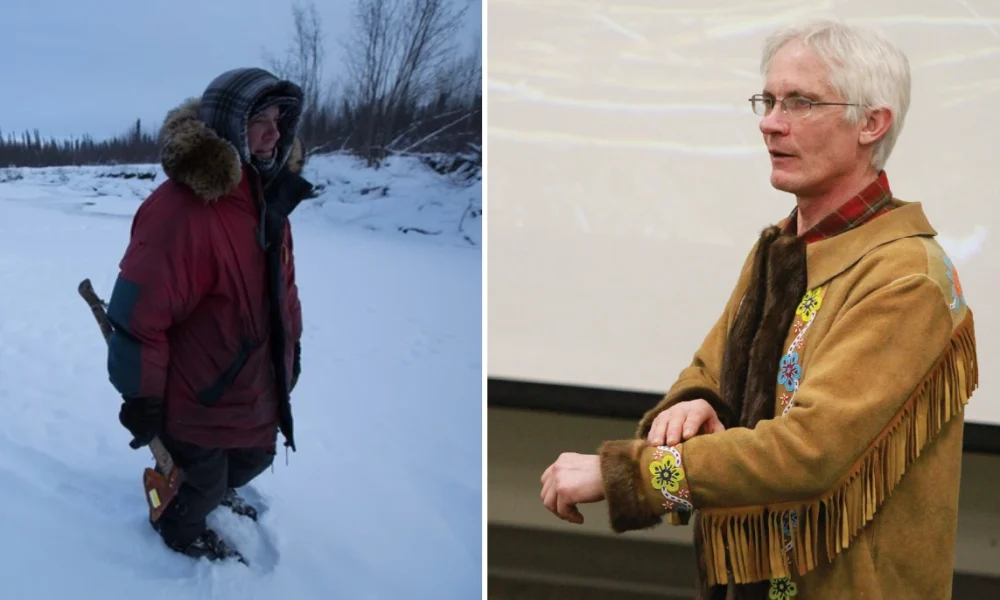
Andy Bassich gained worldwide recognition through his role on National Geographic’s “Life Below Zero,” showcasing his subsistence lifestyle in Alaska’s remote wilderness. Born on January 25, 1958, in Washington, D.C., Andy’s transformation from urban carpenter to Alaskan survivalist has captivated audiences for over a decade. Following the show’s cancellation in February 2025, his story continues to inspire those drawn to off-grid living.
Table Of Content
- Early Life and Background
- The Move to Alaska
- Life in Calico Bluff
- Life Below Zero and Television Career
- Marriage to Kate Rorke and Divorce
- Relationship with Denise Becker
- The 2018 Hip Injury
- The Yukon River Salmon Crisis
- Net Worth and Income Sources
- Community Engagement and Environmental Advocacy
- Challenges and Resilience
- Controversies and Public Perception
- Current Status and Future
- Conclusion
Early Life and Background
Andy Bassich spent his formative years in Wheaton, Maryland, where he developed an early fascination with nature and the outdoors. He graduated from John F. Kennedy High School in 1976 and began working as a carpenter and cabinet maker in Virginia. These construction skills would later prove essential for building his homestead in Alaska’s unforgiving environment.
From a young age, Andy harbored dreams of exploring Alaska. In 1976, immediately after high school graduation, he traveled across the country with Alaska as his destination. However, family obligations—specifically his sister’s wedding—brought him back to Maryland. He spent the next several years working carpentry jobs, saving money and waiting for the right moment to pursue his wilderness dream.
The Move to Alaska
In 1980, at age 22, Andy finally made his life-changing move to Alaska. He initially settled in the Yukon River region near Eagle, a small community in the northeastern part of the state. His first significant purchase was a sled dog named Muzzle, which he acquired by trading a truckload of firewood. This marked the beginning of his deep connection to dog mushing.
For two decades, Andy worked as a riverboat captain on the Yukon Queen, a tour vessel that traveled between Eagle, Alaska, and Dawson City in Canada’s Yukon Territory. This position allowed him to develop an intimate knowledge of the river, its seasonal patterns, and the surrounding wilderness. The experience was instrumental in shaping his subsistence skills.
Life in Calico Bluff
Andy established his permanent homestead in Calico Bluff, located on the south bank of the Yukon River approximately 12 to 14 miles from Eagle. His compound includes multiple structures he built himself, including cabins, workshops, and facilities for his sled dogs. The property has no electricity, running water, or internet connection, requiring complete self-sufficiency.
His daily routine centers on essential survival tasks:
- Hunting and Fishing: Andy’s diet consists primarily of wild game, including moose, caribou, black bear, and fish. Historically, fish—particularly salmon—accounted for approximately 50% of his annual food intake.
- Dog Mushing: Sled dogs serve as his primary transportation during the winter months when the Yukon River freezes solid. At various times, he has maintained teams ranging from 24 to 37 dogs, though he currently manages a smaller team of nine active dogs.
- Gardening: Summer months are dedicated to growing vegetables and gathering supplies to sustain himself and his dogs through the brutal winters.
- Craftsmanship: Andy continues practicing carpentry, knife making, and tool crafting, skills that are both practical necessities and sources of income.
Life Below Zero and Television Career
In 2013, Andy joined the cast of “Life Below Zero,” a BBC Studios documentary series airing on National Geographic Channel. The show follows subsistence hunters living in Alaska’s most remote regions, documenting their daily struggles and seasonal challenges.
Andy quickly became one of the show’s most recognizable faces, appearing alongside cast members Sue Aikens, Chip, and Agnes Hailstone, Jessie Holmes, and others. His segments typically featured dog care, hunting expeditions, home maintenance projects, and the constant battle against Alaska’s extreme conditions.
According to industry reports, cast members earn between $2,000 and $4,500 per episode, not the widely circulated figure of $100,000 annually. After appearing in over 179 episodes across 23 seasons, Andy accumulated considerable earnings from the series.
In November 2024, National Geographic announced the show’s cancellation, with the final episodes airing in February 2025. Cast member Chip Hailstone confirmed the news, stating the show had completed its 12-year run. Production company BBC Studios reportedly explored shopping the series to other networks, though no deals materialized.
Marriage to Kate Rorke and Divorce
Andy met Kate Rorke in 2003 in Dawson City, Canada, where she was vacationing as a tourist. At the time, Andy was working his regular route as a riverboat captain. The two quickly bonded over their shared love for adventure and wilderness living.
Kate relocated to Andy’s homestead in Calico Bluff, and they married shortly after. Together, they operated a dog mushing and survival training school, teaching visitors wilderness skills through both classroom instruction and hands-on experience. Their business offered 20-day immersion programs where participants learned fishing, hunting, trapping, and dog sledding.
The couple appeared together on “Life Below Zero” from 2013 until their separation in 2015. Their divorce was finalized in 2016. Following the split, Kate publicly alleged she had suffered both physical and emotional abuse during the marriage. In a 2016 blog post titled “Truth,” she wrote about the difficulties of leaving an abusive relationship and questioned why she had stayed for over a decade.
Kate has since relocated to British Columbia, Canada, where she lives near one of her daughters from a previous relationship. She has stayed out of the public eye but remains active in social advocacy work, particularly around public health initiatives.
Relationship with Denise Becker
Andy met Denise Becker in 2016 during a Boy Scout canoe expedition on the Yukon River. At the time, Denise was serving as a trauma nurse for the trip. Their connection was immediate, bonded by mutual respect for wilderness living and outdoor skills.
Denise grew up on a farm in northern Saskatchewan, Canada, giving her firsthand experience with rural, self-sufficient living. Her background as a trauma nurse proved invaluable when Andy suffered a life-threatening injury in 2018.
The couple has lived together in Calico Bluff since approximately 2017, marking nearly nine years as partners as of 2026. While many sources refer to Denise as Andy’s “new wife,” there is no public record of a legal marriage. They remain committed partners sharing the demands of off-grid Alaskan life.
Denise has appeared on “Life Below Zero” alongside Andy, demonstrating her adaptability to the harsh environment. She occasionally travels to Florida to maintain her nursing credentials and visit family, but Alaska has become her permanent home.
The 2018 Hip Injury
In 2018, Andy sustained a severe hip injury while attempting to free a stuck snow machine from deep snow. What initially seemed like a minor incident developed into a life-threatening medical emergency when two infections—one in the muscle tissue and one in the bone—took hold.
Alaska’s remote location and limited medical facilities meant Andy required treatment elsewhere. He was first airlifted to Fairbanks before traveling to Florida for extended medical care and surgery. During this six-month absence from Alaska, Denise accompanied him and provided nursing care throughout his recovery.
Andy later reflected on the injury: “I ended up with two infections—one in the muscle, one in the bone—and it almost killed me. It’s time to get back to my home in Calico Bluff… I have no idea what kind of conditions I’m going to be walking into. It’s been unmanned and unguarded for six months.”
Denise played a crucial role in convincing Andy to return to Alaska after his recovery. He acknowledged her importance: “If I didn’t have a partner to help me, there’s no way I could’ve come back here and accomplished what I need to do.”
The Yukon River Salmon Crisis
One of the most significant challenges Andy and Denise have faced in recent years is the collapse of Yukon River salmon populations. Beginning in 2020, Chinook (king) and chum salmon returns plummeted to near-record lows, creating a food security crisis for subsistence users throughout the region.
In April 2024, the Alaska Department of Fish and Game and Canada’s Department of Fisheries and Oceans implemented a historic seven-year moratorium on all Chinook salmon fishing in the Yukon River drainage. This closure runs through 2030, representing one full salmon lifecycle, regardless of run abundance.
The 2024 season saw fewer than 15,000 Canadian-origin Chinook salmon cross the border—far below the treaty obligation of 42,500 fish and the rebuilding target of 71,000 fish. Summer chum salmon, while slightly more abundant, also face strict harvest restrictions.
Scientists attribute the collapse to multiple factors:
- Climate Change: Warming ocean temperatures affect prey availability and increase metabolic demands on salmon during their 1,800-mile migration from the ocean to spawning grounds.
- Disease: Increased prevalence of Ichthyophonus, a parasitic infection, has been observed in returning fish, particularly in warmer water conditions.
- Bycatch: Commercial trawler fleets in the Bering Sea inadvertently catch thousands of Yukon-bound salmon annually, though the exact impact remains debated.
- Habitat Degradation: Rising river temperatures cause heat stress during migration, leaving fish with insufficient energy reserves to complete their journey and spawn.
For Andy and Denise, the salmon closures have fundamentally altered their subsistence lifestyle. Fish that once provided 50% of Andy’s annual diet are now largely unavailable. The couple has been forced to shift to alternative food sources, increase hunting efforts for land mammals, and adapt traditional food preservation methods.
The crisis has also affected Andy’s sled dog operation, as salmon were a primary food source for the team. Managing nine dogs now requires additional resources and alternative protein sources, adding complexity to an already demanding lifestyle.
Net Worth and Income Sources
Andy Bassich’s net worth is estimated between $250,000 and $500,000, with most recent sources suggesting approximately $350,000 to $500,000 as of 2025. His income derives from several sources:
- Television Appearances: Over 179 episodes of “Life Below Zero” at approximately $2,000-$4,500 per episode generated substantial income over 12 years.
- Survival Training School: Andy operates educational programs teaching wilderness survival, dog mushing, fishing, and hunting skills. These courses range from classroom instruction to multi-day wilderness experiences.
- Carpentry and Crafts: He continues producing custom knives, tools, and woodwork, selling items to supplement his income.
- Property Value: His Calico Bluff homestead, while remote, represents significant asset value given its buildings, infrastructure, and riverfront location.
However, Andy’s lifestyle expenses remain minimal. Without utility bills, mortgage payments, or typical urban expenses, his costs center on fuel, equipment maintenance, dog food, and occasional supplies from town.
Community Engagement and Environmental Advocacy
Beyond television, Andy actively participates in fisheries management and environmental research. He serves on subsistence and fisheries advisory panels, contributing his decades of local knowledge to management decisions affecting the Yukon River watershed.
His involvement includes:
- Climate Change Research: Participating in studies documenting environmental changes along the Yukon River, including water temperature shifts, ice patterns, and wildlife behavior.
- Fisheries Advisory Committees: Providing input on salmon management policies and subsistence harvest regulations.
- Knowledge Sharing: Teaching traditional survival skills and sustainable harvesting practices to ensure these techniques are preserved for future generations.
Andy’s long tenure in the region—over 40 years—makes him a valuable resource for understanding how Alaska’s environment has changed over time.
Challenges and Resilience
Living in one of Earth’s harshest environments presents constant challenges. Winter temperatures regularly drop below -50°F, requiring meticulous preparation and constant vigilance. The annual Yukon River breakup—when spring ice melts, and massive ice chunks flow downriver—poses flood risks to riverside properties. In recent seasons, Andy and Denise have been forced to evacuate their homestead during particularly severe breakup events.
Summer brings its own difficulties. The brief growing season demands intensive gardening efforts to produce enough vegetables for winter. Hunting and fishing must be carefully timed to maximize success. Equipment failures can become life-threatening emergencies when replacement parts require days or weeks to obtain.
Despite these hardships, Andy has demonstrated remarkable resilience. His recovery from near-fatal infection, adaptation to salmon fishery closures, and continued commitment to subsistence living showcase his determination and survival skills.
Controversies and Public Perception
Andy’s reputation has been complicated by his ex-wife’s allegations of abuse. Following their 2016 divorce, Kate Rorke publicly stated she suffered physical and emotional abuse during their marriage. These allegations generated significant online discussion among “Life Below Zero” viewers.
Some fans called for Andy’s removal from the show, while others noted that Kate’s allegations were never criminally prosecuted. The situation highlighted the difficulty of addressing domestic violence accusations in reality television, particularly when incidents allegedly occurred in remote locations without witnesses or documentation.
On the show, some viewers observed what they interpreted as controlling or harsh behavior toward Denise, though these assessments are subjective and based on edited footage. Denise herself has not made public complaints and appears committed to their partnership.
Current Status and Future
As of 2026, Andy Bassich continues living at his Calico Bluff homestead with Denise Becker. At 67 years old, he shows no signs of abandoning his wilderness lifestyle despite the physical demands and advancing age.
Without “Life Below Zero” providing supplementary income, Andy has likely increased focus on his survival skills and carpentry work. The salmon moratorium, scheduled to continue through 2030, will require ongoing adaptation in subsistence strategies.
The couple maintains a relatively private existence, with neither Andy nor Denise active on social media platforms. Occasional updates appear through local news coverage of Yukon River issues or environmental research projects in which Andy participates.
Conclusion
Andy Bassich’s journey from Maryland carpenter to Alaskan wilderness icon represents an uncommon path—one requiring exceptional skills, determination, and adaptability. His four decades in Alaska have witnessed significant environmental changes, from shifting wildlife patterns to the current salmon crisis affecting Indigenous communities and subsistence users throughout the region.
Through twelve seasons of “Life Below Zero,” Andy shared his lifestyle with millions of viewers worldwide, offering glimpses into a way of life few will ever experience. While his story includes both triumph and controversy, it undeniably showcases human resilience and the enduring appeal of self-reliance in nature.
As climate change continues altering Alaska’s ecosystems and traditional lifestyles face uncertain futures, Andy Bassich’s experiences provide valuable documentation of subsistence living at a pivotal moment in the region’s history. Whether fishing for salmon, mushing dogs across frozen rivers, or simply maintaining his homestead through another brutal winter, Andy continues embodying the spirit that drew him to Alaska over forty years ago.