

Why Continuing Education Is Essential for Dentists | Professional Growth and Better Patient Care
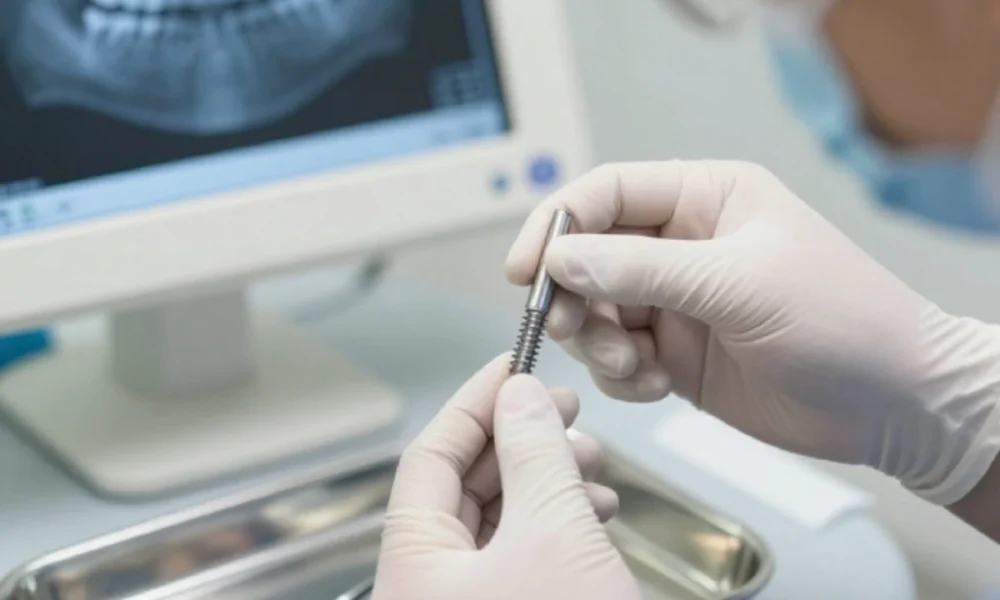
Dentistry is a field marked by rapid technological advancement and constant evolution in clinical techniques. For dental professionals committed to providing high-quality care, continuing education (CE) is not simply a licensing requirement—it represents the foundation for long-term career success and improved patient outcomes. With new developments emerging regularly in areas such as artificial intelligence diagnostics, digital workflows, and minimally invasive procedures, dentists who invest in lifelong learning position themselves to deliver better care while staying competitive in an increasingly sophisticated marketplace.
Table Of Content
- Adapting to Technological Advancement and New Treatment Methods
- Meeting State Licensing Requirements and Maintaining Credentials
- Improving Patient Outcomes Through Evidence-Based Care
- Expanding Clinical Services and Practice Revenue
- Advancing Professional Development and Career Opportunities
- Increasing Practice Efficiency and Competitiveness
- Staying Ahead in a Changing Industry
- Conclusion
Adapting to Technological Advancement and New Treatment Methods
The pace of innovation in modern dentistry has accelerated dramatically. Technologies that were experimental just a few years ago have become standard tools in forward-thinking practices. AI-powered diagnostic systems now analyze radiographs with accuracy rates exceeding 90%, detecting early-stage caries, periodontal disease, and anatomical risks that might escape visual examination. Intraoral scanners have replaced traditional impressions, providing precise digital models that improve the fit and quality of restorations. Three-dimensional printing enables same-day fabrication of crowns, surgical guides, and orthodontic appliances.
Continuing education programs allow dentists to master these technologies and integrate them into daily practice. Training in digital workflows, CAD/CAM systems, and cloud-based practice management platforms helps practitioners improve efficiency while reducing chair time and patient discomfort. Dentists who complete specialized courses in areas such as laser dentistry, cone beam computed tomography (CBCT) interpretation, and AI-assisted treatment planning can offer more precise diagnostics and less invasive procedures.
Beyond hardware and software, CE courses keep dentists current on emerging treatment protocols. Research into the connection between oral and systemic health continues to expand, requiring practitioners to understand how conditions like diabetes, cardiovascular disease, and pregnancy affect treatment planning. Updated protocols for opioid prescribing, infection control, and medical emergency management ensure that dentists maintain safe, evidence-based practices aligned with current standards of care.
Meeting State Licensing Requirements and Maintaining Credentials
Every state in the United States mandates CE credits for dental license renewal, though requirements vary significantly by jurisdiction. Most states require between 20 and 60 hours of CE per renewal cycle, which typically spans one to three years. California requires 50 hours every two years, Texas mandates 24 hours biennially, and Michigan requires 60 hours every three years. Many states also specify mandatory courses in areas such as infection control, CPR certification, dental jurisprudence, and safe opioid prescribing practices.
Dentists who practice in multiple states must track and fulfill the unique requirements of each licensing board. Failure to complete required CE hours can result in license suspension, making it impossible to practice legally. Random audits conducted by state boards require practitioners to maintain documentation of completed courses for multiple renewal cycles.
Beyond mandatory requirements, CE completion demonstrates professional commitment. Dentists who consistently pursue education beyond minimum thresholds signal to colleagues, staff, and patients that they prioritize clinical excellence. This dedication builds reputation and trust within the dental community and can open doors to leadership roles, teaching opportunities, and practice ownership.
Improving Patient Outcomes Through Evidence-Based Care
The primary purpose of CE is to translate new knowledge into better patient care. Dentists who stay current with clinical research and emerging best practices can offer more effective treatments with higher success rates and fewer complications.
Advanced training in complex procedures such as dental implant placement and restoration significantly improves clinical outcomes. Implant dentistry requires precise surgical planning, understanding of osseointegration biology, and mastery of prosthetic techniques. Dentists who complete comprehensive implant restoration courses gain the expertise needed to manage full treatment sequences—from initial consultation and surgical placement through final restoration and long-term maintenance. This integrated knowledge results in more predictable implant success, better aesthetics, and increased patient satisfaction.
CE courses also provide updated information on diagnostic techniques and treatment planning. Training in risk assessment allows dentists to identify patients at high risk for caries, periodontal disease, or implant failure before problems develop. Courses in minimally invasive dentistry teach practitioners how to preserve tooth structure while achieving excellent functional and aesthetic outcomes. Knowledge of new dental materials—including biocompatible composites, advanced ceramics, and tissue-engineering products—ensures that patients receive restorations that are durable, natural-looking, and long-lasting.
Patient safety improves when dentists understand current protocols for managing medical emergencies, preventing cross-contamination, and identifying oral manifestations of systemic disease. CE in pharmacology keeps practitioners informed about drug interactions, proper antibiotic prescribing, and pain management alternatives to opioids.
Expanding Clinical Services and Practice Revenue
One of the most tangible benefits of CE is the ability to broaden the scope of services offered. Dentists who acquire new skills through specialized training can perform procedures in-house that would otherwise require specialist referrals. This convenience benefits patients, who can receive comprehensive care in a familiar environment, while also improving practice profitability through expanded service offerings.
Courses in orthodontics allow general dentists to offer clear aligner therapy and traditional braces, meeting growing patient demand for alignment correction. Training in cosmetic dentistry enables practitioners to provide veneers, teeth whitening, and smile makeovers—high-value services that attract patients seeking aesthetic improvements. Advanced periodontal training equips dentists to manage soft tissue grafting and complex periodontal therapy without referral.
Implant dentistry represents a particularly valuable area for skill expansion. As the population ages and patient expectations for tooth replacement increase, the demand for dental implants continues to grow. Dentists who complete comprehensive implant courses can offer full-service treatment—from initial evaluation and surgical placement to final crown or bridge restoration. This capability transforms practices by attracting patients seeking permanent tooth replacement solutions and generating substantial revenue from implant services.
Expanding clinical skills also improves patient retention. When patients know they can receive multiple treatments from a trusted practitioner, they are more likely to accept recommended procedures, remain loyal to the practice, and refer friends and family members.
Advancing Professional Development and Career Opportunities
Continuing education serves as a pathway to career advancement and professional growth. For dentists interested in specialization or niche practice areas, CE represents the first step toward building expertise in fields such as oral surgery, prosthodontics, pediatric dentistry, or geriatric care.
Participating in advanced courses, workshops, and seminars provides networking opportunities with peers and industry leaders. These professional connections often lead to collaborations, study group participation, mentorship relationships, and access to the latest clinical insights. Dentists who establish themselves as thought leaders through CE participation may be invited to teach courses, lecture at conferences, or contribute to professional journals.
Leadership opportunities frequently follow demonstrated commitment to education. Dentists who invest in CE often advance to positions such as clinical director, dental group owner, or board member of professional associations. Some practitioners transition into academic roles, teaching at dental schools or developing CE programs for other professionals.
Professional development through CE also combats burnout and reinvigorates career passion. Learning new skills, tackling challenging cases, and engaging with colleagues who share a commitment to excellence can reignite enthusiasm for clinical practice after years of routine procedures.
Increasing Practice Efficiency and Competitiveness
Beyond clinical skills, CE improves the business and operational aspects of dental practice. Courses in practice management teach dentists how to improve patient flow, reduce overhead costs, implement effective marketing strategies, and build high-performing teams. Training in patient communication and treatment presentation increases case acceptance rates and helps patients understand the value of recommended care.
Learning about new materials and techniques can directly improve practice efficiency. For example, courses on faster-curing composites, single-visit dentistry using CAD/CAM technology, and digital treatment planning reduce appointment times while maintaining quality outcomes. These efficiency gains allow practices to accommodate more patients, increase revenue, and improve work-life balance for practitioners and staff.
Practices that market their commitment to CE and advanced technology stand out in competitive markets. Patients increasingly research dentists online before booking appointments, and they actively seek practitioners who use modern diagnostic tools and treatment methods. Dentists who complete advanced training in areas such as AI diagnostics, 3D printing, or teledentistry can highlight these capabilities on practice websites, social media channels, and patient communication materials.
The ability to offer same-day crowns, AI-assisted diagnostics, or digital smile design attracts tech-savvy patients who value convenience and innovation. These differentiators help practices compete effectively against corporate dental chains and other providers.
Staying Ahead in a Changing Industry
The dental profession faces ongoing changes in patient expectations, reimbursement models, and regulatory requirements. CE helps dentists adapt to these shifts and remain resilient in uncertain economic conditions.
As patients become more informed and involved in treatment decisions, they expect transparency, personalized care, and clear explanations of procedures and costs. CE courses in patient-centered communication equip dentists to meet these expectations. Training in cultural competence ensures that practitioners can serve increasingly diverse patient populations with sensitivity and respect.
Regulatory changes—such as updated HIPAA requirements, new opioid prescribing laws, and state-specific infection control mandates—require ongoing education to maintain compliance. CE courses focused on ethics, jurisprudence, and risk management help dentists avoid legal problems and protect their licenses.
Economic pressures such as rising overhead costs, staffing challenges, and insurance reimbursement changes require operational efficiency. CE in technology adoption, workflow optimization, and staff training helps practices maintain profitability despite these challenges.
Looking ahead, dentists who embrace continuing education position themselves to lead rather than follow industry changes. As AI, robotics, regenerative dentistry, and precision medicine reshape the field, practitioners who commit to lifelong learning will be prepared to adopt these innovations and deliver the highest standard of care.
Conclusion
Continuing education is indispensable for dentists who aspire to provide excellent patient care, maintain professional credentials, and build successful practices. From mastering AI-powered diagnostics and digital workflows to expanding clinical skills in areas such as implant dentistry and cosmetic procedures, CE enables practitioners to stay current with technological advancement while meeting evolving patient needs.
Beyond fulfilling licensing requirements, ongoing education opens doors to career advancement, leadership opportunities, and practice growth. Dentists who invest in learning improve patient outcomes, increase practice efficiency, and establish themselves as trusted experts within their communities. In a field defined by constant innovation, continuing education is not merely beneficial—it is essential for long-term success and professional fulfillment.