

Why You May Feel Short of Breath After Eating | Causes and Solutions
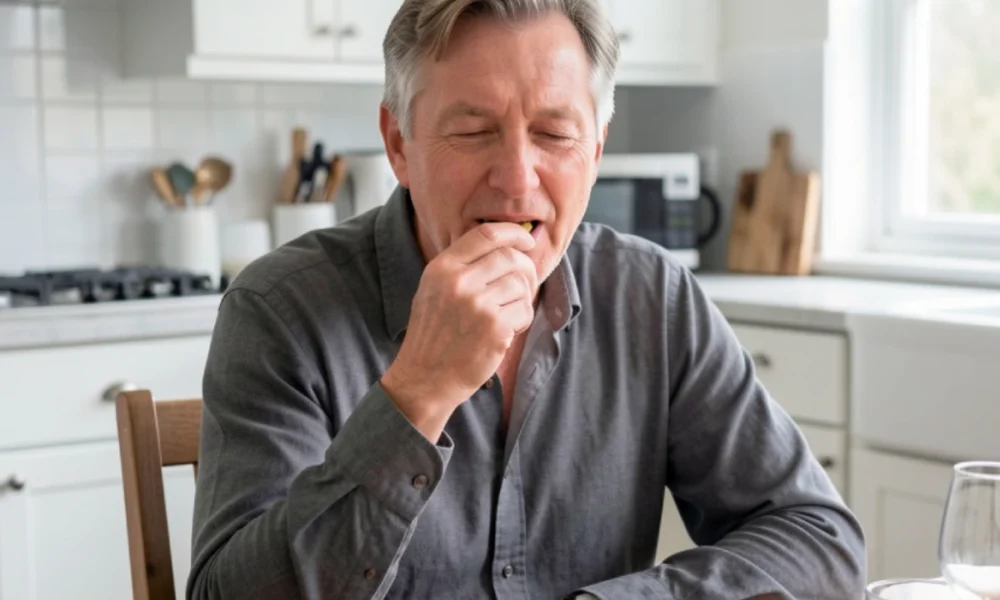
Why You May Feel Short of Breath After Eating? Experiencing difficulty breathing after eating is more common than many people realize. This sensation can range from mild discomfort to genuine concern, depending on the underlying cause. While sometimes related to simple factors like meal size or eating speed, shortness of breath after meals can also indicate digestive problems or medical conditions that warrant attention.
Table Of Content
- How Eating Affects Breathing
- Common Causes of Breathlessness After Eating
- Overeating and Large Portions
- Eating Too Quickly
- Gastroesophageal Reflux Disease (GERD)
- Hiatal Hernia
- Food Allergies and Intolerances
- Heart-Related Conditions
- Chronic Obstructive Pulmonary Disease (COPD) and Asthma
- Obesity and Excess Abdominal Weight
- Anxiety and Stress
- When to Seek Medical Attention
- Practical Strategies to Reduce Breathing Difficulty
- Modify Eating Habits
- Choose Foods Carefully
- Maintain Proper Posture
- Stay Hydrated Appropriately
- Manage Underlying Conditions
- Track Symptoms
- Understanding Your Body’s Signals
Understanding what triggers breathing difficulty during or after eating helps identify whether lifestyle adjustments may help or if medical evaluation is necessary. This guide explains the various reasons this occurs and provides practical approaches to managing or preventing the issue.
How Eating Affects Breathing
The digestive system and respiratory system are closely connected through shared physical space in the torso. When the stomach fills with food, it expands and can press upward against the diaphragm, the primary muscle responsible for breathing. This mechanical pressure temporarily reduces lung capacity and can create a sensation of breathlessness.
Additionally, digestion requires increased blood flow to the stomach and intestines. In some cases, this redistribution of blood may temporarily reduce oxygen delivery to other parts of the body, contributing to breathing changes.
Common Causes of Breathlessness After Eating
Overeating and Large Portions
Consuming large quantities of food in one sitting is among the most frequent causes of post-meal breathing difficulty. When the stomach becomes overly distended, it physically pushes against the diaphragm, restricting its movement and reducing the space available for the lungs to expand.
This mechanical compression makes each breath feel more labored. The sensation typically improves as digestion progresses and the stomach empties, but it can last for several hours after a particularly heavy meal.
Eating smaller, more frequent meals throughout the day rather than two or three large ones can help prevent this issue.
Eating Too Quickly
Rapid eating contributes to breathing problems in multiple ways. When food is consumed quickly, people tend to swallow more air along with each bite. This swallowed air accumulates in the stomach and gastrointestinal tract, causing bloating and increased pressure on the diaphragm.
Fast eating also means food is not chewed thoroughly, which can slow digestion and increase stomach distension. The body needs time to signal fullness, and eating quickly often leads to consuming more food than necessary before satiety registers.
Taking time to chew each bite thoroughly and pausing between bites allows for better digestion and less air swallowing.
Gastroesophageal Reflux Disease (GERD)
GERD occurs when stomach acid regularly flows back into the esophagus, the tube connecting the mouth to the stomach. This condition commonly worsens after eating, particularly with large meals or trigger foods.
The acid reflux can cause inflammation and irritation in the esophagus and throat, leading to a sensation of tightness or difficulty breathing. In some cases, stomach acid can reach the airways, causing them to narrow and produce a wheezing sound.
Common GERD triggers include spicy foods, citrus, tomatoes, chocolate, caffeine, and fatty or fried items. Lying down soon after eating can worsen symptoms.
Hiatal Hernia
A hiatal hernia develops when part of the stomach pushes upward through the diaphragm into the chest cavity. This condition becomes more common with age and can cause breathing difficulty, especially after meals when the stomach is full.
The displaced stomach tissue can press against the lungs and create a feeling of chest tightness or shortness of breath. Many people with hiatal hernias also experience GERD symptoms, as the condition affects the valve that prevents acid reflux.
Small hiatal hernias may not require treatment beyond dietary modifications, but larger ones might need medical intervention.
Food Allergies and Intolerances
Food allergies trigger immune system responses that can include respiratory symptoms. Swelling in the throat or airways, tightness in the chest, and difficulty breathing are serious allergic reaction signs that require immediate medical attention.
Common allergenic foods include peanuts, tree nuts, shellfish, fish, eggs, milk, soy, and wheat. Even mild allergic reactions can progressively worsen with repeated exposure.
Food intolerances, such as lactose intolerance or gluten sensitivity, typically cause digestive symptoms like bloating and gas rather than respiratory issues. However, severe bloating from intolerances can create enough abdominal pressure to affect breathing comfort.
Anyone experiencing throat swelling, hives, or significant breathing difficulty after eating specific foods should seek emergency medical care and consider allergy testing.
Heart-Related Conditions
Certain cardiovascular conditions can manifest as shortness of breath after eating. When the heart cannot pump blood efficiently, the increased demand placed on the circulatory system during digestion may exceed its capacity.
Atrial fibrillation, an irregular heartbeat condition, can reduce the heart’s pumping efficiency and lead to breathlessness during activities that increase circulatory demand, including eating. While genetic factors can contribute to atrial fibrillation risk, lifestyle factors such as diet, physical activity level, and body weight also play significant roles in cardiovascular health.
Other heart conditions like coronary artery disease or heart failure may also present with post-meal breathing difficulty. This symptom pattern particularly warrants medical evaluation in people over 50 or those with known heart disease risk factors.
Chronic Obstructive Pulmonary Disease (COPD) and Asthma
People with existing lung conditions often notice their breathing becomes more labored after meals. In COPD and asthma, the airways are already compromised, and the mechanical pressure from a full stomach can further reduce breathing capacity.
The diaphragm’s restricted movement in these individuals makes it harder to take deep breaths, and the effort required for digestion may worsen their baseline breathlessness.
Managing meal sizes and eating while in an upright position can help minimize breathing difficulty in people with chronic lung disease.
Obesity and Excess Abdominal Weight
Carrying excess weight, particularly around the abdomen, increases baseline pressure on the diaphragm. This pressure intensifies after eating when the stomach expands, making breathing feel more difficult.
Obesity is also associated with sleep apnea, reduced lung capacity, and increased risk for conditions like GERD and hiatal hernia, all of which can contribute to post-meal breathlessness.
Weight management through balanced nutrition and regular physical activity can improve breathing comfort during and after meals.
Anxiety and Stress
Psychological factors can manifest as physical breathing changes. Some people experience anxiety around eating, whether related to food allergies, digestive issues, or other concerns. This anxiety can trigger hyperventilation or a heightened awareness of normal breathing patterns that makes breathing feel difficult.
Stress affects digestion as well, potentially slowing stomach emptying and increasing the feeling of fullness and associated breathing changes.
Mindful eating practices and stress management techniques may help address anxiety-related breathing issues during meals.
When to Seek Medical Attention
While occasional mild breathlessness after large meals is generally not concerning, certain symptoms require prompt medical evaluation:
- Sudden, severe difficulty breathing
- Throat swelling or tightening
- Chest pain or pressure
- Dizziness or fainting
- Hives or skin reactions after eating
- Wheezing or audible breathing difficulty
- Symptoms that worsen over time
- Breathlessness that occurs with small meals or persists long after eating
These signs may indicate allergic reactions, heart problems, or other conditions requiring diagnosis and treatment.
Practical Strategies to Reduce Breathing Difficulty
Modify Eating Habits
Eating smaller portions spread across four to six meals daily rather than three large meals reduces stomach distension and diaphragm pressure. Chewing food slowly and thoroughly decreases air swallowing and improves digestion.
Avoiding conversation while chewing and putting utensils down between bites naturally slows eating pace.
Choose Foods Carefully
For people with GERD or hiatal hernia, avoiding trigger foods can reduce symptoms. These typically include acidic foods, spicy dishes, chocolate, caffeine, alcohol, and high-fat meals.
Identifying personal food sensitivities through careful observation or elimination diets can help pinpoint problematic items.
Maintain Proper Posture
Sitting upright during and after meals gives the diaphragm maximum room to function. Avoid lying down for at least two to three hours after eating to prevent acid reflux and allow proper digestion.
Using extra pillows to sleep with the upper body slightly inclined can help people who experience nighttime breathing difficulty or reflux.
Stay Hydrated Appropriately
Drinking adequate water throughout the day supports digestion, but consuming large amounts of liquid during meals can increase stomach volume and pressure. Sipping small amounts with meals and drinking more between meals may help.
Manage Underlying Conditions
Working with healthcare providers to control conditions like GERD, asthma, heart disease, or obesity addresses root causes rather than just symptoms. This might include medications, physical therapy, or other treatments tailored to specific diagnoses.
Track Symptoms
Keeping a record of when breathing difficulty occurs, what was eaten, portion sizes, and any other symptoms helps identify patterns. This information proves valuable for medical consultations and personal management strategies.
Understanding Your Body’s Signals
Shortness of breath after eating stems from various causes ranging from simple overeating to medical conditions requiring attention. Recognizing the difference between occasional discomfort from a large meal and symptoms that suggest underlying health issues is important for appropriate response.
Most cases improve with modifications to eating habits, meal sizes, and food choices. When breathing difficulty persists, worsens, or accompanies other concerning symptoms, medical evaluation provides answers and appropriate treatment options.
Paying attention to how your body responds to different foods and eating patterns allows for adjustments that make meals more comfortable while supporting overall health.