

Understanding Kratom Powders: Strains, Effects, and Safety Considerations
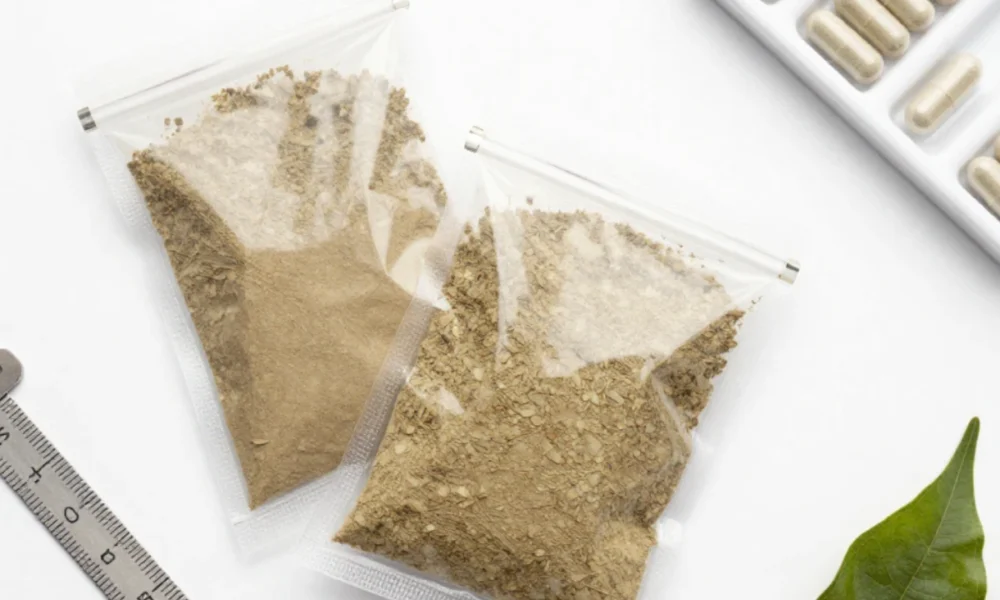
Kratom powders comes from the leaves of Mitragyna speciosa, a tree native to Southeast Asia. The substance has gained attention in Western countries as users report various effects depending on strain type and dosage. Before considering kratom, understanding its properties, legal status, and potential risks is necessary.
Table Of Content
This guide provides foundational information about kratom powder, including strain differences, responsible usage practices, and essential safety considerations.
Legal Status and Regulatory Context
Kratom’s legal status varies significantly by location. In the United States, it remains unregulated at the federal level but is banned in several states and municipalities. International regulations differ widely, with some countries prohibiting its sale and possession entirely.
The U.S. Food and Drug Administration (FDA) has not approved kratom for any medical use. The agency has expressed concerns about safety risks, including potential for abuse and dependence. Users should verify their local laws before purchasing or possessing kratom.
The lack of regulation means product quality varies considerably. No standardized manufacturing requirements exist, which affects consistency and purity across vendors.
Kratom Strain Categories
Kratom is commonly categorized by vein color, which correlates with different alkaloid profiles and reported effects.
Red Vein Varieties
Red vein kratom is typically associated with calming properties. Users report it may help with relaxation and sleep. The higher concentration of 7-hydroxymitragynine compared to other strains contributes to these reported effects.
White Vein Varieties
White vein kratom is described as having stimulating properties. Users seek it for increased alertness and physical energy. Effects may be comparable to caffeine consumption but with different mechanisms of action.
Green Vein Varieties
Green vein kratom reportedly provides moderate effects between red and white varieties. Users describe a balance of mild energy and relaxation without strong sedation or stimulation.
Factors Affecting Kratom Effects
Multiple variables influence how kratom affects individuals.
Growing Conditions
The region of cultivation, soil composition, climate, and harvest timing all affect alkaloid content. These factors create variation even among the same color category.
Individual Physiology
Personal body chemistry, metabolism, tolerance levels, and prior substance use history significantly influence responses. Two people taking identical doses may experience different effects.
Dosage Amounts
Lower doses (1-5 grams) generally produce stimulating effects, while higher doses (5-15 grams) tend toward sedation. This dose-dependent response pattern is common but not universal.
Safety Considerations and Risks
Understanding potential risks is essential before using kratom.
Side Effects
Commonly reported side effects include nausea, constipation, dry mouth, loss of appetite, and drowsiness. Some users experience dizziness, sweating, or itching.
Dependence and Withdrawal
Regular kratom use can lead to physical dependence. Withdrawal symptoms may include muscle aches, irritability, mood changes, runny nose, and sleep difficulties. Symptoms typically emerge within 12-48 hours after stopping regular use.
Drug Interactions
Kratom may interact with medications and other substances. Combining kratom with opioids, benzodiazepines, alcohol, or certain antidepressants may increase risks. Anyone taking prescription medications should consult a healthcare provider before using kratom.
Contamination Risks
The unregulated market creates possibilities for contamination with heavy metals, bacteria (including salmonella), or other adulterants. Some products have been found to contain unexpected substances.
Selecting Kratom Powders
For those who choose to use kratom despite risks, selecting quality products matters.
Vendor Research
Look for vendors who provide third-party laboratory testing results. These tests should verify alkaloid content and screen for contaminants like heavy metals and pathogens.
Independent reviews and community discussions can provide information about vendor reliability, though personal experiences vary.
Starting Strain Selection
Green vein varieties offer moderate effects suitable for first-time users. This middle-ground option allows observation of how your body responds without extreme stimulation or sedation.
Purchasing small quantities of different strains helps determine individual responses without significant financial commitment.
Dosage Guidelines
Proper dosing reduces risk and helps assess individual tolerance.
Initial Dosing
Begin with 1-2 grams to evaluate your body’s response. Wait at least 30-45 minutes before considering additional amounts, as effects may take time to manifest fully.
Measurement Accuracy
Use a digital scale for precise measurements. Consistency in dosing helps track effects and identify appropriate amounts for individual needs.
If scales are unavailable, measuring spoons provide approximate amounts, though accuracy is reduced. One level teaspoon equals roughly 2-2.5 grams of kratom powder.
Consumption Methods
Kratom powder can be consumed several ways:
- Mixed with water or juice (most common, fastest onset)
- Encapsulated (slower onset, easier to consume)
- Brewed as tea (traditional method, varies in potency)
Each method affects onset time and duration differently. Water mixing typically produces effects within 20-30 minutes.
Frequency Considerations
Daily use increases dependence risk. Limiting use to specific occasions rather than regular schedules may reduce tolerance development and dependence potential.
Monitoring Your Response
Pay attention to how kratom affects you personally.
Stay well-hydrated when using kratom, as it can cause dehydration. Monitor for any unexpected reactions or side effects.
If adverse effects occur, reduce dosage or discontinue use. Signs requiring immediate medical attention include severe nausea, rapid heartbeat, confusion, or difficulty breathing.
Medical Consultation
Anyone with pre-existing health conditions, women who are pregnant or nursing, or individuals taking medications should consult healthcare providers before using kratom.
Medical professionals can assess potential interactions and contraindications based on individual health status.
Scientific Evidence Limitations
While users report various benefits, scientific research on kratom remains limited. Most available evidence consists of user reports and small studies rather than large-scale clinical trials.
The medical and scientific communities continue to study kratom’s effects, safety profile, and therapeutic potential. Current research does not support specific medical claims.
Conclusion
Kratom powder represents a substance with varying legal status, limited scientific validation, and notable safety considerations. While users report diverse effects based on strain and dosage, individual responses differ significantly.
Those considering kratom should prioritize safety through thorough research, consultation with healthcare providers, careful vendor selection, conservative dosing, and attention to their body’s responses. Understanding both reported effects and documented risks allows for informed decision-making.
The regulatory and scientific landscape surrounding kratom continues to change. Staying informed about current research, legal developments, and safety information remains important for anyone using or considering this substance.