

How Berea, Ohio’s 1960s Fraternity House Ban Reshaped Baldwin Wallace University Greek Life
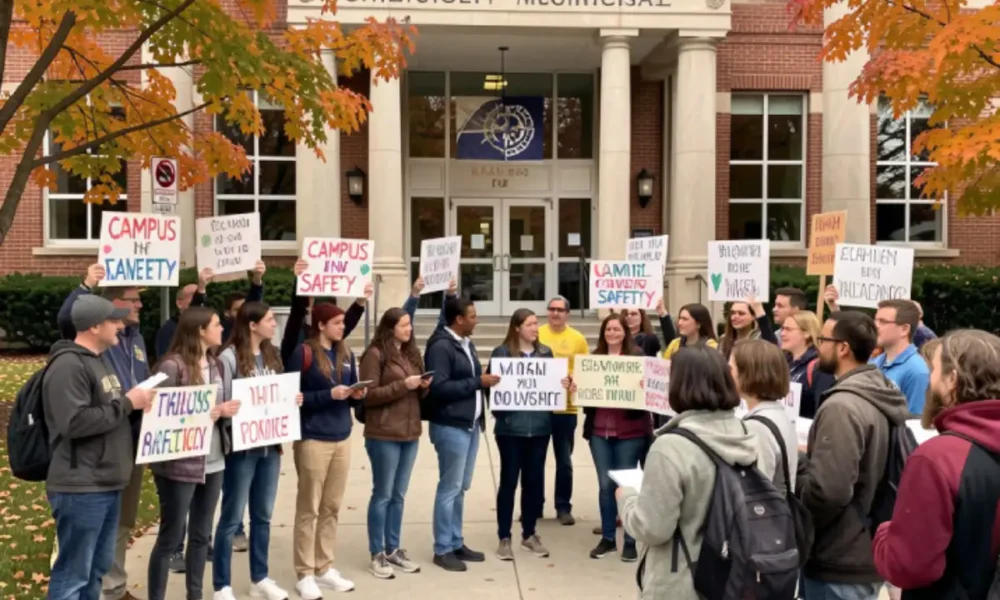
In the 1960s, Berea, Ohio made a decision that would permanently alter student life at Baldwin Wallace University: the city prohibited fraternity and sorority houses within city limits. This policy, still in effect today, represents one of the earliest municipal responses to concerns about Greek life safety and community relations on college campuses.
Table Of Content
Understanding why this small Ohio city took such action—and how Baldwin Wallace adapted—offers valuable insight into the ongoing national conversation about fraternity culture, student safety, and university-community relations.
Origins of the Ban
During the 1960s, Baldwin Wallace University, like many American colleges, experienced rapid growth in fraternity membership. While these organizations provided students with social connections and leadership opportunities, they also brought challenges that caught the attention of Berea residents and local officials.
The city’s concerns centered on several recurring issues. Hazing practices at fraternities across the country were making headlines, some resulting in serious injuries. Excessive alcohol consumption at fraternity events led to medical emergencies and disruptive behavior. Noise complaints from residents living near fraternity houses increased. Property maintenance standards at some houses deteriorated, affecting neighborhood character.
These factors prompted Berea city officials to pass ordinances restricting fraternity housing. The regulations effectively prohibited Greek organizations from establishing or maintaining independent houses within city boundaries.
How Greek Life Adapted
The ban required Baldwin Wallace’s fraternities and sororities to reimagine how they operated. Without dedicated houses, Greek organizations relocated to university residence halls. Today, these groups are primarily housed in facilities like Ernsthausen Hall and other campus buildings, where they function under the same housing policies as other students.
This arrangement fundamentally changed the Greek experience at Baldwin Wallace. Members no longer had autonomous spaces separate from university oversight. Instead, they lived among non-Greek students and followed standard residence hall regulations regarding noise, guests, and alcohol.
For some students, this represented a significant loss. The traditional fraternity house experience—with its sense of brotherhood and independent living—was no longer available. Social gatherings that once happened in fraternity houses moved to other venues or became more limited in scope.
However, the integration also brought benefits. University staff gained better visibility into Greek activities, making it easier to enforce safety standards and prevent risky behavior. The physical separation between Greek and non-Greek students decreased, encouraging more interaction across the campus community.
Community Response
Berea residents generally supported the ban, viewing it as necessary for neighborhood safety and quality of life. Parents of prospective students appreciated the added oversight that came with housing Greek organizations on campus under university supervision.
Opposition came primarily from students, alumni, and national fraternity organizations who felt the policy unfairly restricted student freedom. Many argued that the ban punished all Greek members for the actions of a few and that better education and stricter rules would be more effective than elimination of fraternity houses.
Some critics also questioned whether the city had overstepped its authority by regulating what they viewed as a private matter between the university and student organizations.
Current State of Greek Life at Baldwin Wallace
More than six decades after the ban took effect, Greek life remains active at Baldwin Wallace. The university currently has multiple fraternities and sororities that continue to recruit members, hold events, and participate in campus traditions.
These organizations have adapted to function without independent housing. They hold meetings in campus facilities, organize community service projects, and participate in annual traditions like Greek Sing—a performance competition where fraternities and sororities showcase choreographed routines.
The absence of fraternity houses has influenced how these organizations operate. Social events typically take place in university venues or at off-campus locations rather than at dedicated chapter houses. Member recruitment and bonding activities occur within the framework of campus housing policies.
Student reviews of Baldwin Wallace suggest that Greek life remains a meaningful part of campus culture for those who choose to participate, though it operates differently than at universities where fraternities maintain independent houses.
Broader Context and Implications
Berea’s early action on fraternity housing placed it ahead of a trend that would later gain momentum nationally. In recent decades, numerous colleges and universities have reconsidered their relationships with Greek organizations, particularly following high-profile incidents involving hazing deaths and alcohol-related tragedies.
Some institutions have implemented stricter oversight of fraternity activities. Others have suspended chapters or entire Greek systems temporarily. A smaller number have taken actions similar to Berea’s, either banning fraternity houses or requiring Greek organizations to integrate fully into campus housing.
The conversation around Greek life continues to evolve. Universities balance respect for tradition with responsibility for student safety. They consider how to preserve the positive aspects of fraternities—leadership development, philanthropy, and social connections—while addressing genuine concerns about hazing, excessive drinking, and exclusionary practices.
Lessons from Berea’s Approach
Baldwin Wallace’s experience under the fraternity house ban demonstrates that Greek organizations can survive and adapt when their traditional housing model is eliminated. While the character of Greek life changes without independent houses, these organizations can continue to function and provide value to members.
The policy also shows that municipal governments can play a role in shaping campus culture when they believe community safety requires intervention, though such actions often face resistance.
For universities evaluating their own Greek life policies, Berea and Baldwin Wallace offer a case study in one approach to managing concerns about fraternity culture. The outcome has been a Greek system that operates with greater institutional oversight and closer integration into general campus life.
Understanding the Long-Term Effects
The Berea fraternity house ban has now been in place for more than 60 years, making it one of the longest-standing policies of its kind. Its persistence suggests that both the city and university found the arrangement workable, despite initial controversy.
For students choosing Baldwin Wallace today, the absence of traditional fraternity houses is simply part of the campus landscape. Greek life exists, but in a form that differs from what students might encounter at other institutions.
The ban also illustrates how local policies can have lasting effects on university culture. Once established and normalized, such regulations often remain in place even as new generations of students, faculty, and administrators cycle through the institution.
Final Thoughts
Berea, Ohio’s decision to ban fraternity houses in the 1960s was a response to legitimate concerns about student safety and community disruption. The policy fundamentally changed how Greek organizations function at Baldwin Wallace University, requiring them to operate within campus housing rather than independent facilities.
While the ban eliminated the traditional fraternity house experience, Greek life at Baldwin Wallace continues. Organizations have adapted to different circumstances, finding ways to maintain their identities and traditions without dedicated houses.
The Berea example remains relevant as colleges nationwide grapple with questions about Greek life’s future. It demonstrates one community’s approach to balancing student organization freedoms with safety concerns and neighborhood interests. Whether other institutions follow similar paths depends on their particular circumstances and priorities, but Berea’s decades-long experience provides valuable perspective on what such a change entails.