

How Custom Engineering Solutions Transform Modern Manufacturing Operations
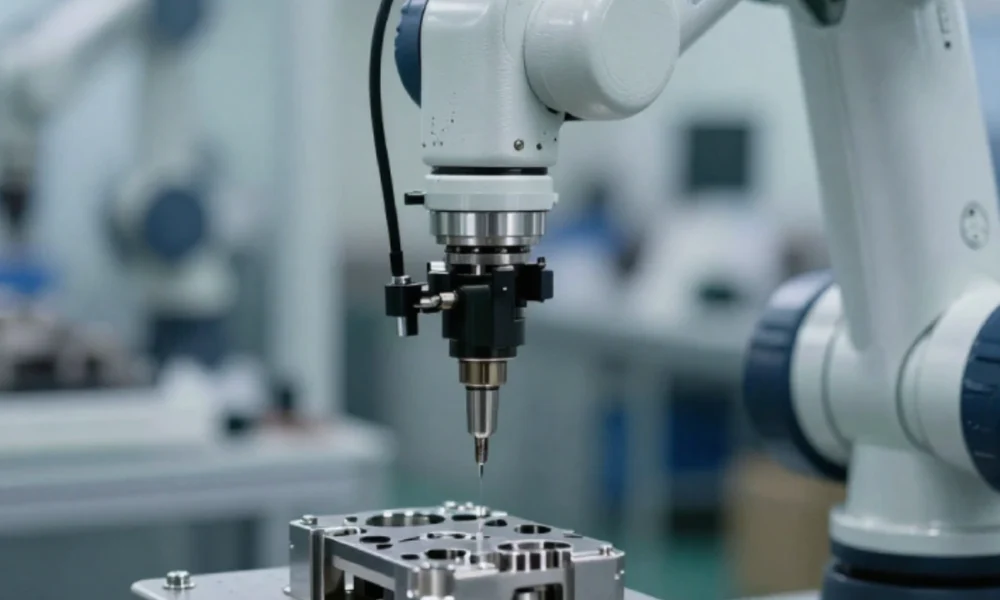
Custom engineering refers to the design and development of specialized equipment, machinery, and systems tailored to specific manufacturing requirements. Unlike standard off-the-shelf solutions, custom engineering addresses unique operational challenges that generic equipment cannot solve.
Table Of Content
- Understanding Custom Engineering in Manufacturing
- Process Refinement and Workflow Design
- Specialized Machinery Development
- Quality Control System Integration
- Production Scaling Approaches
- Cost Management Through Engineering
- Industry-Specific Engineering Applications
- Automation and Control System Development
- Environmental Considerations in Manufacturing
- Implementation Considerations
- Conclusion
Manufacturing facilities often face constraints that require specialized approaches. Production line layouts may differ significantly between facilities. Material handling requirements vary by industry. Regulatory compliance demands industry-specific equipment modifications. Custom engineering provides targeted solutions for these situations.
This guide examines how custom engineering contributes to manufacturing operations across different sectors and applications.
Understanding Custom Engineering in Manufacturing
Custom engineering involves designing equipment and systems from the ground up or modifying existing solutions to meet particular specifications. Engineers work directly with manufacturers to understand workflow requirements, production constraints, and performance goals.
The process typically includes several phases. Initial consultation identifies specific needs and challenges. Design development creates detailed specifications and prototypes. Testing validates performance under actual operating conditions. Implementation integrates the solution into existing systems. Ongoing support addresses adjustments and refinements.
This approach differs from purchasing standard equipment by accounting for factors such as available floor space, existing infrastructure compatibility, specific material properties, and unique production sequences.
Process Refinement and Workflow Design
Manufacturers face distinct operational challenges based on their products, materials, and production volumes. Custom engineering addresses these by analyzing current workflows and identifying bottlenecks or inefficiencies.
Engineers may redesign material flow patterns to reduce handling steps. They develop specialized fixtures that accommodate unusual part geometries. Custom tooling gets created for specific assembly sequences that standard equipment cannot perform.
For example, a facility producing components with tight tolerance requirements might need custom measurement and quality control systems integrated directly into the production line. Standard inspection equipment may lack the precision or automation needed for high-volume production.
Process refinement also addresses safety considerations. Custom guards, barriers, and safety systems get designed around specific machinery configurations and operator positions.
Specialized Machinery Development
Standard manufacturing equipment serves general purposes across many industries. However, certain production requirements fall outside the capabilities of commercially available machinery.
Custom machinery development becomes necessary when standard equipment cannot achieve required specifications. This includes situations requiring unusual processing temperatures, specialized material handling, unique assembly methods, or integration with proprietary systems.
Industries such as aerospace, medical device manufacturing, and semiconductor production frequently require custom machinery due to stringent quality standards and specialized materials. Custom solutions ensure equipment meets industry-specific regulations and performance criteria.
The design process considers factors including production volume, changeover frequency, maintenance accessibility, and compatibility with existing systems. Engineers select materials, control systems, and mechanical components based on the specific application rather than general market availability.
Quality Control System Integration
Product specifications drive quality requirements in manufacturing. Custom engineering contributes to quality assurance by developing measurement, testing, and inspection systems matched to specific products and processes.
Standard quality control equipment may not accommodate unique product dimensions, material properties, or testing requirements. Custom solutions integrate sensors, measurement devices, and data collection systems directly into production equipment.
Real-time monitoring systems can track critical parameters during production. Automated inspection equipment gets calibrated for specific defect types. Data collection systems record measurements for statistical process control and traceability.
Custom quality systems also address documentation requirements for regulated industries. Pharmaceutical and medical device manufacturers need validated systems that meet regulatory standards. Custom engineering ensures quality control equipment provides the necessary documentation and validation protocols.
Production Scaling Approaches
Manufacturing operations change over time. Product demand fluctuates. New product lines get introduced. Production methods evolve. Custom engineering supports these changes through adaptable system design.
Modular equipment design allows manufacturers to add capacity without replacing entire systems. Individual components or stations can be duplicated or modified as needed. This approach reduces capital investment compared to purchasing entirely new production lines.
Flexible tooling systems enable production of multiple product variants on the same equipment. Quick-change fixtures and adjustable parameters reduce changeover time when switching between products.
Some manufacturers face seasonal demand variations. Custom equipment design can account for this by enabling temporary capacity increases or decreases without permanent modifications.
Cost Management Through Engineering
Custom engineering requires upfront investment in design and development. However, tailored solutions can reduce long-term operational expenses in several ways.
Energy consumption decreases when equipment gets sized appropriately for actual production requirements rather than oversized standard models. Material waste reduces through precise tooling and processing designed for specific materials and products.
Maintenance costs may decrease with custom solutions designed for specific operating conditions and maintenance schedules. Equipment built for particular applications often experiences less wear than standard equipment operating outside its intended range.
Labor requirements change when custom automation handles tasks previously done manually. The extent depends on production volume, task complexity, and available labor costs.
These factors require analysis of total cost of ownership rather than just initial purchase price. Custom solutions make financial sense when operational savings offset development costs within an acceptable timeframe.
Industry-Specific Engineering Applications
Different manufacturing sectors have distinct technical requirements that influence custom engineering approaches.
Food and beverage processing requires equipment meeting sanitation standards. Stainless steel construction, washdown compatibility, and contamination prevention drive design decisions. Custom solutions address specific product handling needs while maintaining hygiene requirements.
Automotive manufacturing uses custom tooling and fixtures for body assembly, welding, and painting operations. Each vehicle platform requires dedicated equipment designed around specific dimensions and assembly sequences.
Electronics manufacturing needs precision placement and soldering equipment calibrated for component sizes and board layouts. Custom systems handle specialized components or assembly methods not supported by standard equipment.
Chemical processing requires custom reactor designs, material handling systems, and safety controls based on specific chemical properties and reaction conditions.
Each industry brings unique constraints that standard equipment may not fully address.
Automation and Control System Development
Manufacturing automation extends beyond installing robots. Custom engineering integrates control systems, sensors, and software tailored to specific processes.
Programmable logic controllers (PLCs) get configured for particular machine sequences and safety interlocks. Human-machine interfaces (HMIs) display information relevant to specific operations. Data collection systems track metrics meaningful to individual processes.
Robotic systems require custom end-effectors (grippers and tools) designed for specific parts and tasks. Vision systems get programmed to recognize particular features or defects. Motion paths get optimized for workspace layouts and cycle time requirements.
Integration with existing systems presents technical challenges. Custom engineering ensures new automation communicates properly with legacy equipment, enterprise software, and quality management systems.
The complexity of custom automation varies widely. Simple applications might involve custom sensors and basic logic. Advanced systems incorporate machine learning algorithms, predictive maintenance, and adaptive control.
Environmental Considerations in Manufacturing
Regulatory requirements and operational costs drive environmental considerations in manufacturing equipment design.
Energy efficiency gets addressed through properly sized motors, variable frequency drives, and heat recovery systems. Custom engineering calculates actual power requirements rather than applying standard equipment ratings.
Waste reduction comes from precise material handling, optimized cutting patterns, and recycling system integration. Equipment design can facilitate separation and recovery of valuable materials.
Emissions control requires custom solutions for specific processes and materials. Filtration systems, scrubbers, and containment equipment get designed around particular contaminants and volumes.
Water usage and treatment considerations affect equipment design in industries with significant liquid processing or cleaning requirements. Custom systems can include recirculation, treatment, and reuse capabilities.
Some manufacturers pursue specific environmental certifications or standards. Custom engineering ensures equipment meets relevant criteria and provides necessary documentation.
Implementation Considerations
Custom engineering projects involve several practical factors that affect success.
Timeline expectations must account for design, prototyping, testing, and refinement. Complex projects may require 12-24 months from concept to full implementation. This exceeds the lead time for standard equipment purchases.
Budget planning includes design fees, prototyping costs, fabrication, installation, and commissioning. Costs vary significantly based on complexity and performance requirements.
Vendor selection requires evaluating engineering capabilities, relevant experience, and support services. Manufacturers often request references from similar projects or industries.
Risk management addresses potential design issues, timeline delays, and performance shortfalls. Prototype testing and staged implementation can reduce risks.
Training requirements increase with custom systems since operators and maintenance personnel lack familiarity with unique equipment. Documentation and training programs become part of project deliverables.
Conclusion
Custom engineering serves manufacturing operations requiring solutions beyond standard equipment capabilities. The approach addresses specific technical challenges through tailored machinery, process design, and system integration.
Success depends on clear requirement definition, appropriate vendor selection, and realistic planning. Custom solutions require larger upfront investments but can provide operational advantages that standard equipment cannot deliver.
Manufacturers evaluate custom engineering based on their specific situations, including production requirements, budget constraints, and strategic goals. The decision involves comparing development costs against anticipated operational benefits over the equipment lifecycle.