

Stainless Steel Playground Slides: Safety Features, Durability, and Installation Guide
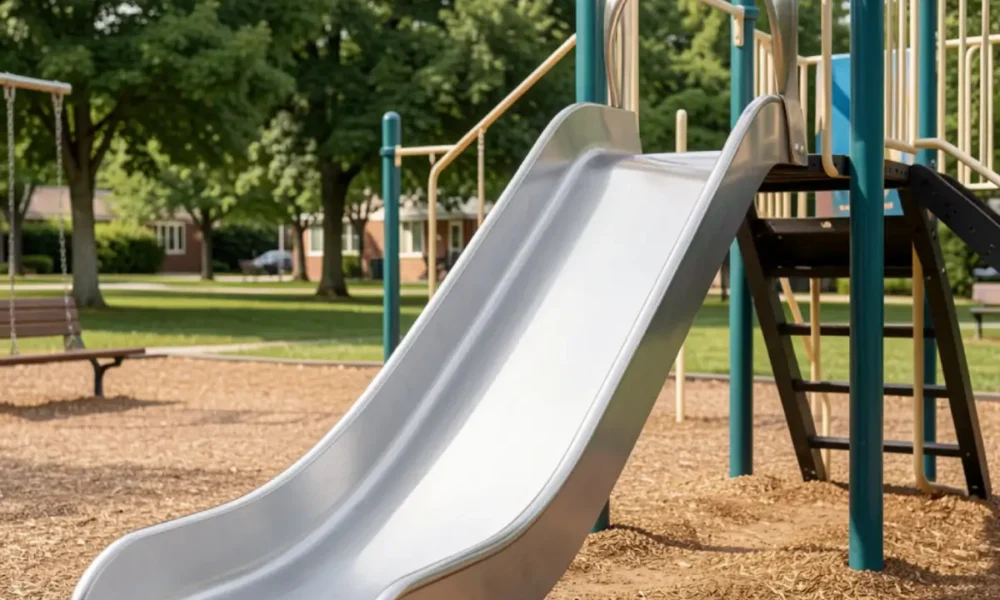
Stainless steel playground slides have become a standard choice for public play areas, recreational facilities, and high-traffic parks. Understanding their characteristics, maintenance needs, and installation requirements helps playground managers and designers make informed equipment decisions.
Table Of Content
- Material Properties and Construction
- Corrosion Resistance
- Structural Strength
- Manufacturing Methods
- Safety Characteristics
- Surface Properties
- Static Electricity Considerations
- Structural Integrity
- Temperature Management
- Heat Absorption
- Installation Positioning
- Material Comparison
- Maintenance Requirements
- Cleaning Procedures
- Moisture and Biological Growth
- Long-Term Durability
- Design and Customization Options
- Shape Flexibility
- Integration with Other Materials
- Aesthetic Considerations
- Vandalism Resistance
- Physical Durability
- Graffiti and Surface Defacement
- Safety Standards and Compliance
- Regulatory Requirements
- Professional Installation
- Cost Considerations
- Initial Investment
- Long-Term Value
- Material Comparison Factors
- When Stainless Steel Works Well
- Alternative Material Considerations
- Installation Planning Checklist
- Conclusion
This guide examines the practical aspects of stainless steel slides, including material properties, safety considerations, and long-term performance factors.
Material Properties and Construction
Corrosion Resistance
Stainless steel contains chromium, which forms a protective oxide layer on the surface. This layer provides resistance to moisture, rain, and environmental exposure. The material maintains its structural properties across various weather conditions without requiring protective coatings.
The chromium content typically ranges from 10% to 30%, depending on the specific alloy grade used in playground equipment manufacturing.
Structural Strength
The material withstands repeated use and weight loads over extended periods. Stainless steel slides resist common forms of playground equipment damage including dents, surface cracks, and structural deformation.
Material thickness and alloy composition affect load-bearing capacity. Standard playground slides use sheets ranging from 14 to 12 gauge thickness, depending on slide length and expected usage patterns.
Manufacturing Methods
Most stainless steel slides feature single-piece construction or welded sections. Manufacturers polish surfaces to reduce friction and eliminate sharp edges. Professional fabrication includes rounded sheet edges and finished tube sections at entry and exit points.
Quality control processes ensure consistent surface smoothness and proper dimensional tolerances throughout the sliding surface.
Safety Characteristics
Surface Properties
Polished stainless steel creates a smooth sliding surface that minimizes friction-related injuries. The non-porous surface reduces the risk of splinters or material fragments that can occur with degraded plastic or wooden equipment.
Manufacturers round or cap all exposed edges during fabrication. Slide entry points typically incorporate rolled edges or protective tubing to prevent contact with sharp metal edges.
Static Electricity Considerations
Stainless steel does not generate static electricity during use. This property makes these slides suitable for children using medical devices such as cochlear implants, which may be sensitive to static discharge.
This characteristic provides accessibility benefits in playground design and inclusive play environment planning.
Structural Integrity
Single-piece or seamless welded construction eliminates gaps, joints, or seams along the sliding path. This design prevents clothing from catching and reduces uneven surfaces that could affect sliding speed or cause discomfort.
The material retains its shape and surface characteristics throughout its service life without warping or developing stress fractures common in other materials.
Temperature Management
Heat Absorption
Metal surfaces absorb and retain solar heat. Direct sun exposure can raise surface temperatures to levels that cause discomfort or burns. This characteristic requires specific installation planning.
Testing data indicates that unshaded metal slides can reach temperatures exceeding 140°F (60°C) in direct summer sunlight, regardless of material finish or color.
Installation Positioning
Recommended installation practices include:
- North-facing orientation to minimize direct sun exposure
- Placement under natural shade from trees or structures
- Installation of permanent shade structures or canopies
- Consideration of seasonal sun angles and daily shadow patterns
Some facilities use retractable shade systems that provide coverage during peak sun hours while allowing open-sky play during cooler periods.
Material Comparison
While some studies suggest metal slides may remain cooler than certain plastic alternatives under identical conditions, both materials require shade protection in sunny climates. Installation site and climate zone should guide shade planning more than material selection alone.
Maintenance Requirements
Cleaning Procedures
The non-porous surface resists dirt accumulation and simplifies routine cleaning. Standard maintenance involves:
- Regular washing with mild soap and water
- Removal of debris from slide channels
- Inspection for surface damage or loose hardware
- Annual deep cleaning for high-traffic installations
Cleaning frequency depends on environmental factors including dust, pollen, tree sap, and user volume.
Moisture and Biological Growth
Stainless steel resists moisture absorption, which prevents mold and mildew growth on the sliding surface. This property reduces health concerns and maintenance costs compared to materials that retain moisture or develop biological growth.
Proper drainage design at the slide exit point prevents water pooling and extends equipment life.
Long-Term Durability
Expected service life for properly maintained stainless steel playground slides ranges from 20 to 30 years in typical installation environments. Actual lifespan varies based on:
- Installation quality and site preparation
- Regular maintenance adherence
- Environmental exposure levels
- Usage volume and patterns
The material resists degradation from UV exposure, temperature cycling, and mechanical wear that affects other playground materials over time.
Design and Customization Options
Shape Flexibility
Stainless steel can be formed into various slide configurations including:
- Straight runs of varying lengths
- Spiral and curved designs
- Wave or bumpy surface patterns
- Multi-lane parallel slides
- Tube or half-tube enclosures
Manufacturing capabilities allow custom lengths, angles, and curves based on playground design requirements and available space.
Integration with Other Materials
Stainless steel slides combine with multiple playground construction materials:
- Wooden platform structures and stairs
- Composite decking and support frames
- Metal framework and climbing elements
- Concrete or polymer slide foundations
This compatibility allows designers to match existing playground aesthetics or create specific visual themes.
Aesthetic Considerations
The polished metal finish provides a contemporary appearance. The reflective surface and clean lines suit modern playground designs, institutional facilities, and architectural settings where visual consistency matters.
Surface finishes range from mirror polish to brushed or matte textures, depending on design preferences and maintenance considerations.
Vandalism Resistance
Physical Durability
The material’s hardness and strength resist common forms of playground vandalism. Intentional damage through cutting, breaking, or deforming stainless steel requires specialized tools and significant effort.
This resistance reduces replacement costs and downtime in public facilities where equipment damage occurs.
Graffiti and Surface Defacement
While stainless steel can be marked with paint or permanent markers, the non-porous surface allows for easier graffiti removal compared to textured or porous materials. Most markings can be removed with appropriate solvents without damaging the underlying surface.
Safety Standards and Compliance
Regulatory Requirements
Playground equipment in the United States follows guidelines established by:
- ASTM International (ASTM F1487 for playground equipment)
- Consumer Product Safety Commission (CPSC) guidelines
- Americans with Disabilities Act (ADA) accessibility standards
These standards address slide angles, heights, exit zones, protective surfacing, and structural requirements.
Professional Installation
Proper installation requires adherence to manufacturer specifications and safety standards. This includes:
- Correct foundation preparation and anchoring
- Proper slide angle and height relationships
- Adequate use zones and protective surfacing
- Clearance from other playground elements
- Secure fastening and structural connections
Professional installation ensures compliance with safety regulations and warranty requirements.
Cost Considerations
Initial Investment
Stainless steel slides typically cost more than plastic alternatives. Price differences reflect:
- Material costs and manufacturing complexity
- Customization and design options
- Installation requirements
- Structural support needs
Budget planning should account for complete installation costs including site preparation, shade structures, and protective surfacing.
Long-Term Value
Lower maintenance costs, extended service life, and reduced replacement frequency offset higher initial costs. Many facilities report lower total ownership costs over 20-year planning periods compared to materials requiring more frequent replacement.
Vandalism resistance and durability reduce unexpected repair expenses and equipment downtime.
Material Comparison Factors
When Stainless Steel Works Well
Suitable applications include:
- High-traffic public playgrounds
- Facilities requiring low-maintenance equipment
- Installations in climates with significant weather variations
- Playgrounds in areas prone to vandalism
- Settings prioritizing long equipment service life
Alternative Material Considerations
Plastic slides may be appropriate for:
- Residential or low-traffic installations
- Budget-constrained projects
- Temporary or seasonal play areas
- Installations where heat management is difficult
Material selection should align with specific site conditions, usage patterns, and budget parameters rather than following universal recommendations.
Installation Planning Checklist
Before selecting stainless steel slides, assess:
- Available budget for equipment and installation
- Site sun exposure and shade options
- Expected user volume and age ranges
- Local climate and weather patterns
- Maintenance capabilities and resources
- Accessibility and safety surfacing requirements
- Integration with existing playground elements
Consulting with playground equipment suppliers and certified installers provides site-specific guidance and accurate cost projections.
Conclusion
Stainless steel playground slides offer specific advantages in durability, safety, and maintenance for public play installations. Their performance characteristics suit high-traffic environments where equipment longevity and reduced maintenance justify higher initial costs.
Successful implementation requires attention to installation details, particularly shade planning for temperature management. Understanding both the benefits and requirements of stainless steel slides supports informed decision-making in playground equipment selection.