

How to Use Crushed Gravel for Driveways, Pathways, and Landscaping Projects
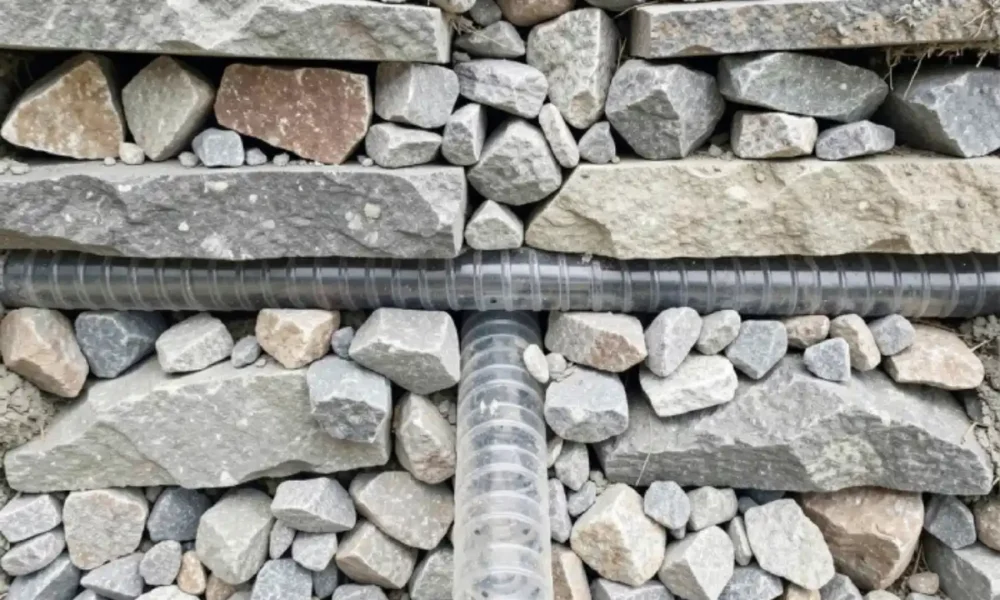
Crushed gravel serves as a reliable material for outdoor construction and landscaping applications. Homeowners and contractors use this aggregate material for driveways, walkways, drainage systems, and decorative landscape features due to its stability and accessible price point.
Table Of Content
This guide explains what crushed gravel is, how to select appropriate sizes and types, and where it performs best in residential and commercial settings.
What Is Crushed Gravel?
Crushed gravel consists of mechanically broken stone fragments with angular edges. Manufacturers produce it by crushing larger rocks—typically limestone, granite, or basalt—into uniform pieces ranging from fine dust to several inches in diameter.
The angular shape distinguishes crushed gravel from rounded river rock or pea gravel. These sharp edges allow particles to interlock when compacted, creating a stable surface that resists shifting under weight and traffic.
Common source materials include:
- Limestone: Light gray to tan, widely available, moderately hard
- Granite: Gray to pink, extremely durable, weather-resistant
- Basalt: Dark gray to black, dense, suitable for heavy loads
- Quartzite: White to light gray, hard, reflective surface
Each material offers different appearance and performance characteristics based on regional availability and intended use.
Common Applications
Driveways
Crushed gravel provides a functional alternative to poured concrete or asphalt for residential driveways. When properly installed over a compacted base, it handles regular vehicle traffic while allowing water to drain through the surface.
Standard driveway gravel measures 3/4 inch to 1 inch in diameter. This size range compacts well while maintaining enough void space for drainage.
Walkways and Pathways
Garden paths and pedestrian walkways benefit from smaller gravel sizes, typically 1/4 inch to 1/2 inch. These finer grades create a comfortable walking surface while still providing good compaction.
Pathways require edging materials to prevent lateral migration of gravel into surrounding landscape beds.
Drainage Systems
French drains and perimeter drainage systems rely on gravel’s permeability. Water moves freely through the spaces between angular particles, preventing pooling and soil saturation.
Drainage applications typically use 3/4-inch to 1.5-inch gravel around perforated pipes to maintain flow capacity.
Landscape Ground Cover
Gravel mulch suppresses weed growth and reduces soil moisture loss in garden beds. It does not decompose like organic mulches, maintaining its appearance for multiple growing seasons.
Decorative applications often use smaller sizes (1/4 inch to 3/8 inch) in colors that complement plants and hardscape elements.
Base Material
Larger crushed stone (1.5 inches to 3 inches) serves as a base layer under patios, sheds, and other structures. This coarse material provides drainage and prevents settling when compacted.
Types and Sizes
Crushed gravel is sold by size designation, which refers to the screening process used during production:
#57 Stone: 3/4-inch average size, most common for driveways and concrete mix
#67 Stone: 3/4-inch and smaller, good for drainage and pathways
#89 Stone: 1/2-inch average size, suitable for decorative use
Crusher Run: Mixed sizes from dust to 3/4 inch, compacts tightly for base layers
Pea Gravel: 1/4-inch rounded stones (not technically crushed, but often grouped with gravel products)
Different suppliers may use regional naming conventions, so confirm actual particle sizes when ordering.
Selection Considerations
Choose gravel based on these factors:
Load Requirements: Driveways need larger, more stable gravel (3/4 inch or larger). Decorative beds can use finer materials.
Drainage Needs: Open-graded stone (uniform larger sizes) drains faster. Dense-graded material (mixed sizes) compacts tighter but drains slower.
Appearance: Light-colored gravel reflects heat and stands out visually. Darker materials absorb heat and blend with natural surroundings.
Local Availability: Regionally sourced gravel costs less than imported stone and often matches native landscape aesthetics.
Intended Permanence: High-traffic areas require durable stone types like granite or basalt. Temporary applications can use softer limestone.
Installation Basics
Proper installation prevents common problems like rutting, migration, and poor drainage.
Site Preparation: Remove vegetation and organic soil. Grade for drainage away from structures.
Base Layer: Install 4 to 6 inches of larger crusher run or #2 stone. Compact thoroughly with a mechanical tamper or plate compactor.
Surface Layer: Add 2 to 4 inches of finish gravel in your selected size. Compact lightly to set the surface without over-crushing angular edges.
Edging: Install metal, plastic, or stone edging to contain gravel and maintain defined borders.
Skipping base preparation leads to uneven settling and surface deterioration.
Maintenance Requirements
Crushed gravel needs occasional attention to maintain performance:
Raking: Redistribute surface material every few months to fill low spots and maintain even coverage.
Replenishment: Add fresh gravel annually in high-traffic areas where particles break down or migrate.
Weed Control: Pull weeds promptly before roots establish. Landscape fabric beneath gravel reduces weed growth but may impede drainage.
Edge Maintenance: Check borders regularly and reset displaced edging materials.
Debris Removal: Clear leaves and organic matter to prevent decomposition and weed seed accumulation.
These tasks require minimal time compared to maintaining paved surfaces.
Cost Comparison
Crushed gravel typically costs $30 to $60 per ton, with delivery and installation adding to total project expenses. Regional pricing varies based on material availability and transportation distance.
For comparison:
- Poured concrete: $6 to $10 per square foot installed
- Asphalt: $3 to $7 per square foot installed
- Crushed gravel: $1 to $3 per square foot installed
Material costs represent only part of total expense. Proper base preparation affects long-term performance regardless of surface type.
Advantages and Limitations
Advantages:
- Lower initial cost than paved alternatives
- Natural drainage reduces runoff issues
- Repairs involve adding material rather than specialized contractors
- Appearance changes easily by adding different colored stone
- Suitable for uneven terrain where paving is impractical
Limitations:
- Requires periodic maintenance and replenishment
- Snow removal is more difficult than on paved surfaces
- Gravel migrates without proper edging
- Not suitable for steep slopes without retention structures
- Can be uncomfortable for bare feet or mobility aids
Understanding these trade-offs helps determine if crushed gravel suits specific project requirements.
Environmental Considerations
Crushed gravel allows rainwater infiltration, reducing stormwater runoff compared to impermeable paving. This supports groundwater recharge and reduces strain on municipal drainage systems.
Quarrying and transportation generate environmental impact. Choosing locally sourced materials reduces fuel consumption and emissions associated with long-distance hauling.
Gravel remains reusable. Removed material can be screened and repurposed for other applications rather than disposed of as waste.
Conclusion
Crushed gravel performs well in driveways, pathways, drainage systems, and landscape beds when properly selected and installed. Its permeable surface, lower cost compared to paving, and straightforward maintenance make it practical for many residential and light commercial applications.
Success depends on matching gravel type and size to specific use requirements, preparing an adequate base, and maintaining defined edges to prevent migration.