

Eric Mays Net Worth: Flint Auto Worker’s Disputed Wealth and Political Legacy
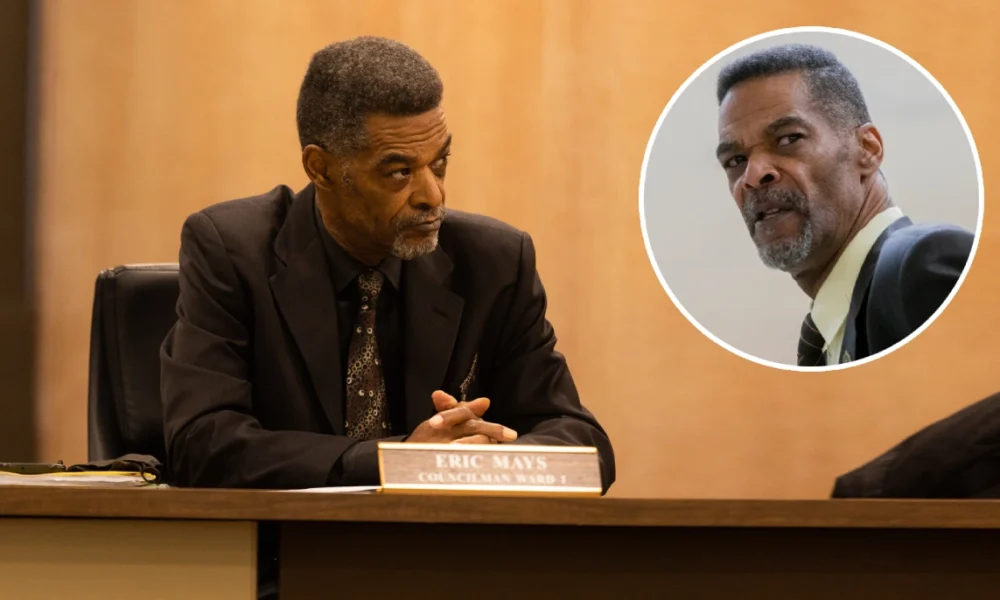
Eric Mays served as First Ward councilman on the Flint City Council from 2013 until his death on February 24, 2024. The auto worker and union organizer gained recognition for recognizing the Flint water crisis early and demanding accountability from officials. Despite widespread claims of a $100 million net worth, documented evidence—including pawning his city laptop nine times for $100 loans and relying on modest council income—contradicts this figure. His verified income came primarily from his council salary and General Motors retirement benefits, not substantial business ventures.
Table Of Content
- Auto Worker and Union Background
- First Ward Council Service
- 1. Early Water Crisis Recognition
- 2. Emergency Manager Conflicts
- Documented Financial Struggles
- Laptop Pawning Incident
- Verified Income Sources
- Legal Record
- 2013 Arrest and Trials
- 2012 Public Hearing Disruption
- Council Suspensions
- Mayoral Campaigns
- Personal Life and Death
- Hasselbring Senior Center Controversy
- Public Service Recognition
- Conclusion
Auto Worker and Union Background
Born September 16, 1958, in Flint, Michigan, Mays graduated from Flint Northern High School in 1976. He earned a political science degree from Michigan State University, where he participated in football and debate.
Mays retired from General Motors after serving in multiple United Auto Workers (UAW) leadership positions. He worked as a district committeeperson for UAW Local 598, a UAW Regional Office representative, and an elected recording secretary for UAW Local 699. His union experience shaped his confrontational advocacy style and labor organizing approach.
In 1981, Mays began attending city council meetings as a political action representative for the NAACP, marking his entry into local politics.
First Ward Council Service
After three unsuccessful attempts, Mays won his First Ward council seat in November 2013, defeating Anita Brown by eight votes (710-702). He represented northwest Flint throughout his tenure.
1. Early Water Crisis Recognition
In 2014, Mays posted on Facebook that Flint River water was harmful for consumption, facing widespread opposition from other council members. His claims proved accurate when testing revealed dangerous levels of bacteria and carcinogenic trihalomethanes. The contaminated water caused pipe corrosion, leading to lead exposure in residents and a spike in Legionnaire’s disease cases.
His early recognition of the Flint water crisis and persistent demands for investigations positioned him as an advocate for affected residents, though his confrontational methods created ongoing conflicts with colleagues and officials.
2. Emergency Manager Conflicts
During his tenure, emergency managers, including Darnell Earley and Michael Brown, controlled Flint’s finances. Mays frequently clashed with these state-appointed officials over city management and water decisions. After his November 2013 arrest, Emergency Manager Earley demanded his resignation, which Mays refused.
Documented Financial Struggles
The reported $100 million net worth lacks supporting documentation in public records. Evidence points to ongoing financial difficulties inconsistent with substantial wealth.
Laptop Pawning Incident
On May 23, 2017, Mays admitted to pawning his city-issued laptop at Music Man Pawnshop (located across from Flint City Hall) for a $100 loan. When questioned, he stated: “I don’t think it’s criminal, I think it just shows I’m poor.”
Council President Scott Kincaid filed a criminal complaint citing misuse of public property. Police investigation revealed Mays had pawned the laptop nine times between January 15, 2015, and May 2017, repeatedly borrowing $100 and later reclaiming it.
On August 23, 2017, Mays pleaded no contest to wilful neglect of duty, a misdemeanor. He was sentenced on November 27, 2017, to attend a sheriff’s work detail for one week and pay a $300 fine.
Verified Income Sources
Documented income included:
- Flint City Council salary (typically $20,000-$30,000 annually)
- General Motors’ retirement benefits from his UAW career
- Possible small-scale business activities (unverified scale)
His reliance on $100 pawn loans and the 2024 wage garnishment following lost lawsuits contradict claims of nine-figure wealth. No tax records, property filings, or business registrations confirm substantial holdings.
Legal Record
Mays’ legal challenges began in 1987 with a year’s probation for threatening someone with a firearm. This felony charge prevented him from pursuing law school after his Michigan State graduation.
2013 Arrest and Trials
On November 30, 2013—the same month he won his council seat—Mays was arrested on Interstate 475 around 2:50 a.m. Police found him attempting to change four flat tires while facing the wrong direction. He was charged with driving under the influence, marijuana possession, refusal to be fingerprinted, no proof of insurance, and failing to report an accident.
Mays represented himself in multiple trials. His self-representation included questioning potential jurors about religious beliefs and offering various defenses. After initial acquittals and retrials, he was convicted of impaired driving in November 2015 and sentenced to 28 days in jail on January 5, 2016.
2012 Public Hearing Disruption
On July 2, 2012, Mays refused to yield his speaking time during a public hearing on tax abatements for downtown Flint buildings, criticizing time limits instituted by emergency manager Michael Brown. When asked to sit by the police, he refused and was handcuffed and removed. He represented himself against the disruption of a meeting and was found guilty on February 22, 2013.
Council Suspensions
His confrontational behavior led to repeated disciplinary actions:
- July 2015: Forcibly removed from a committee meeting on grass-cutting ordinances
- February 2016: Found guilty of disorderly conduct, faced a 90-day sentence
- January 2020: Gave Nazi salute during exchange with Council President Monica Galloway, resulting in removal from Vice President and finance chair positions
- 2023: Multiple suspensions following heated confrontations
- April 2022: Arrested for disorderly conduct, sentenced to six months’ probation with a $125 fine
He filed multiple lawsuits against city officials, including Mayor Sheldon Neeley, alleging defamation and misconduct. Many resulted in financial judgments against him.
Mayoral Campaigns
Mays ran for mayor in 2008, 2015, and 2022, losing each time.
His 2015 campaign faced controversy when he initially appeared unopposed due to a clerical error. However, 176 of his petition signatures were invalidated, leaving him 48 signatures short of the required 900. State officials, including Governor Rick Snyder’s deputy chief of staff and Lieutenant Governor Brian Calley, expressed concerns about his potential election. Senate minority leader Jim Ananich proposed legislation extending the filing deadline, allowing other candidates to enter.
Personal Life and Death
Mays married Megan Ritchie and fathered Eric HaKeem Deontaye Mays. His parents were Pastor Louis H. Mays and Rosie B. Mays.
He died February 24, 2024, at age 65. The City of Flint lowered flags to half-staff. Congressman Dan Kildee, his Flint Northern High School classmate, noted constituents continuously re-elected him for his “bold and unwavering voice.”
Mays died without a will, triggering a lawsuit filed March 8, 2024, by his son against the Lawrence E. Moon Funeral Home and family members. The dispute delayed his March 9 funeral. His body was released on March 11, 2024, and transferred to Paradise Funeral Chapel in Saginaw, Michigan. A separate lawsuit over a $75,000 life insurance policy was dismissed May 9, 2024.
Hasselbring Senior Center Controversy
After his death, Flint officials proposed renaming the Hasselbring Senior Center in his honor. Beverly Lewis, director of the nonprofit managing the center, opposed the plan and subsequent eviction notice. A February 12, 2025, court hearing addresses this ongoing dispute, demonstrating continued division over his legacy.
Public Service Recognition
Despite controversies, Mays supported community initiatives addressing economic development, infrastructure, and public safety. His advocacy during the Flint water crisis involved organizing meetings, demanding transparency from state and local officials, and amplifying resident concerns about contaminated water.
His nephew Kevin Mays stated: “However you felt about him, what he fought for was the people and how he felt about this community. He stood on that. He stood behind it.”
| Aspect | Details |
|---|---|
| Birth | September 16, 1958, Flint, Michigan |
| Death | February 24, 2024 (age 65) |
| Education | Flint Northern High School (1976); Michigan State University (political science) |
| Career | Auto worker, General Motors; UAW Local 598 district committeeperson; UAW Local 699 recording secretary; First Ward councilman (2013-2024) |
| Reported Net Worth | $100 million (unverified) |
| Verified Income | Council salary ($20,000-$30,000 annually); GM retirement benefits |
| Financial Evidence | Pawned a laptop nine times for $100; wage garnishment (2024) |
| Parents | Pastor Louis H. Mays and Rosie B. Mays |
| Family | Wife: Megan Ritchie; Son: Eric HaKeem Deontaye Mays |
Eric Mays’ career illustrates the disconnect between public perception and documented financial reality. While his auto worker background with General Motors and UAW leadership roles provided modest retirement income, and his First Ward councilman position offered a limited salary, claims about his $100 million wealth lack verification. His documented financial struggles—pawning his laptop nine times for $100 loans, relying on modest council compensation, and facing wage garnishment—directly contradict the wealth narrative. His verified legacy centers on early Flint water crisis recognition, persistent advocacy for northwest Flint residents, and the polarizing confrontational approach that defined his relationship with local government.
Conclusion
Eric Mays’ story illustrates the complexity of local politics and the challenges of separating fact from mythology in public figures’ financial narratives. While widely reported as having amassed a $100 million fortune through business ventures, documented evidence supporting this claim remains elusive.
What's verifiable is his decade-long tenure on the Flint City Council, his vocal advocacy during the Flint water crisis, and his pattern of legal troubles and political conflicts. Whether his wealth claims represented reality, aspiration, or exaggeration may never be fully known.
His passing in 2024 ended a turbulent political career that left an indelible mark on Flint. His true legacy lies not in unverified wealth claims but in his documented impact on local politics and the ongoing debates about his contributions to the community he served.