

Advanced Vehicle Paint Protection Film Solutions | PPF, Ceramic Coatings, and Windshield Films
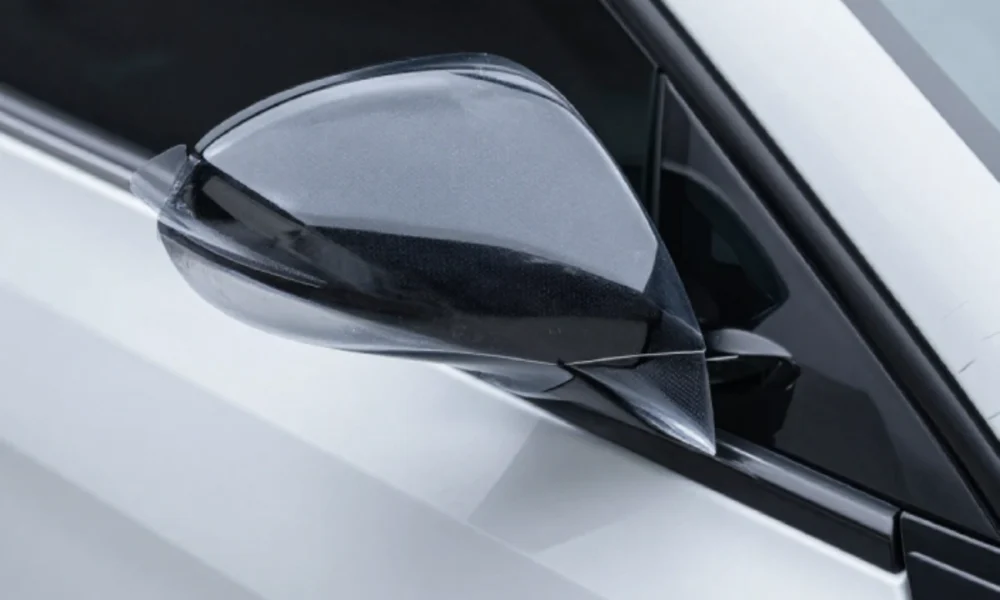
Advanced Vehicle Paint Protection Film Solutions: The automotive protection industry has entered a new phase in 2026, with the global paint protection film market reaching approximately $600-800 million and projected growth continuing through 2030. Vehicle owners now demand solutions that combine durability, optical clarity, and long-term value, pushing B2B suppliers to offer integrated protection packages rather than standalone products.
Table Of Content
- The Current State of Paint Protection Film
- Coverage Packages and Pricing Structure
- Windshield Protection: The High-Value Addition
- Ceramic Coating Technology and Application
- Window Tinting in 2026: Beyond Aesthetics
- Integration Strategy for B2B Success
- Market Forces Shaping 2026
- Professional Installation as Competitive Advantage
- Looking Forward
Professional detailing shops and automotive aftermarket businesses must understand that today’s protection solutions work as systems. Paint protection film, ceramic coatings, windshield protection, and window tinting each address specific vulnerabilities while complementing one another to create comprehensive vehicle defense.
The Current State of Paint Protection Film
Paint protection film has moved well beyond basic clear coats. Modern PPF uses thermoplastic polyurethane (TPU) rather than outdated polyvinyl chloride (PVC), which yellows and cracks within months. TPU-based films range from 7.2 to 10 mil thickness and deliver impact resistance that prevents rock chips, scratches, and environmental damage.
Self-healing technology represents a major advancement. When exposed to heat from sunlight or warm water, minor scratches and swirl marks in the top coat disappear. This capability extends film life and maintains appearance without professional intervention. Premium films from manufacturers like XPEL, 3M, and Pure PPF now include hydrophobic top coats that repel water and dirt, making maintenance significantly easier.
Color and finish options have expanded dramatically. Gloss, matte, and colored PPF allow vehicle customization while maintaining protection. The 2025-2026 Tesla Cybertruck market demonstrates this trend, with owners choosing colored PPF to personalize the stainless steel exterior while protecting against environmental damage.
Installation precision matters more than ever. Pre-cut patterns using digital plotters ensure accurate fitment without blade contact on painted surfaces. Professional installers use steam, heat guns, and pre-stretch techniques to handle complex curves on modern vehicles. Poor installation leads to bubbling, lifting, and premature failure, regardless of film quality.
Coverage Packages and Pricing Structure
Three primary coverage levels have become industry standard. Partial front coverage ($800-1,500) protects the hood leading edge, front bumper, fenders, mirrors, and door cups. Full front packages ($1,200-3,000) add complete hood coverage, full fenders, and headlights with seamless edge wrapping. Full vehicle wraps ($4,000-8,000+) cover every painted surface, with pricing varying based on vehicle size and body complexity.
Electric vehicle owners show higher willingness to invest in protection. With average selling prices exceeding conventional vehicles and stronger residual value concerns, EV owners view PPF as asset protection rather than optional accessory. This trend drives B2B opportunities in markets with high EV penetration.
Windshield Protection: The High-Value Addition
Windshield protection film addresses a frequently overlooked vulnerability. Modern windshields on vehicles with Advanced Driver Assistance Systems (ADAS) cost $1,500-2,500 to replace, including sensor recalibration. A single rock chip can require complete windshield replacement rather than simple repair on ADAS-equipped vehicles.
Current windshield films use optically clear materials that maintain visibility while absorbing impacts from road debris. Products like ClearPlex, ExoShield, and XPEL Windshield Protection Film block 99% of UV rays while preventing chips and cracks. The films are applied to the exterior glass surface and typically last 1-3 years depending on driving conditions.
Installation time has decreased significantly. ClearPlex Contour reduces installation time by 50-75% compared to earlier versions, making the service more profitable for shops. The film shrinks quickly and applies like window tint, removing a major barrier to shop adoption.
For B2B distributors, windshield protection creates a natural upsell opportunity. Customers already investing in paint protection understand the logic of protecting expensive glass. The service adds revenue without requiring entirely new equipment or training beyond standard film application skills.
Ceramic Coating Technology and Application
Ceramic coatings form a chemical bond with vehicle clear coat, creating a semi-permanent protective layer. Silicon dioxide (SiO2) based formulations provide resistance against scratching, chemical etching, and UV degradation. Unlike traditional wax, which lasts weeks, properly applied ceramic coatings maintain protection for 2-5 years.
The hardness ratings often cited in marketing (9H) refer to the Wolff-Wilborn Pencil Test, not the Mohs mineralogical scale. A 9H ceramic coating resists marring from a 9H graphite pencil but will not prevent rock chips or deep scratches. Setting realistic customer expectations prevents dissatisfaction.
Graphene-enhanced ceramic coatings have entered the market. These formulations add reduced graphene oxide (rGO) to standard ceramic resin, improving heat dissipation and reducing water spotting. While marketing claims can be exaggerated, graphene coatings address a legitimate weakness in traditional ceramic formulas.
Professional application requires extensive surface preparation. Paint must be thoroughly washed, decontaminated with clay treatment, and any defects corrected through machine polishing. This preparation accounts for most professional installation costs, which range from $700-1,850 for standard vehicles. Skipping preparation results in poor bonding and shortened lifespan.
Window Tinting in 2026: Beyond Aesthetics
Automotive window tinting has progressed from dyed films to advanced nano-ceramic technology. The global automotive tint film market exceeds $6 billion annually, driven by heat rejection, UV protection, and privacy demands. Florida, Texas, and other high-sun states show particularly strong demand.
Ceramic window films reject up to 60% of total solar energy while blocking 99% of UV rays. This protection prevents interior fading and reduces air conditioning load, improving fuel efficiency. Unlike metallized films, ceramic tints do not interfere with GPS, cellular, or radio signals.
Premium films from manufacturers like 3M Crystalline, LLumar, and XPEL provide near-infrared rejection without dark tinting. These films allow vehicle owners to maintain visibility while achieving significant heat reduction. The technology appeals to luxury vehicle owners who want performance without appearance modification.
Legal compliance remains essential. Visible light transmission (VLT) requirements vary by state and country. Professional installers must understand local regulations to avoid customer legal issues. Pre-cut patterns for specific vehicle models speed installation while ensuring regulatory compliance.
Integration Strategy for B2B Success
Successful automotive protection businesses now offer bundled packages rather than isolated services. A typical premium package includes full-front PPF, windshield protection, ceramic coating on all painted surfaces, and ceramic window tint. This approach increases average transaction value while providing comprehensive vehicle protection.
Training and certification programs have become more accessible. Organizations like The Tint Academy and manufacturer-specific training ensure professional installation standards. Certified installers can charge premium rates and typically achieve better customer retention.
Supply chain considerations matter more in 2026. Film distributors that provide technical support, quick delivery, and consistent product quality command higher prices. The automotive aftermarket has shifted from purely transactional relationships to partnerships that provide added value through engineering support, training resources, and market intelligence.
Digital marketing and e-commerce platforms play a larger role in customer acquisition. Many vehicle owners research protection options online before visiting shops. Professional-quality content, installation videos, and transparent pricing help businesses attract informed customers ready to purchase.
Market Forces Shaping 2026
The automotive aftermarket faces several converging trends. Vehicle fleets are aging, with average vehicle age exceeding 12 years in North America. Older vehicles require more maintenance and protection to maintain value and appearance. Simultaneously, new vehicle production remains constrained, extending ownership periods.
E-commerce penetration in the automotive aftermarket will reach $130 billion in 2026, with nearly 40% flowing through online marketplaces. B2B distributors must develop strong digital presence while maintaining relationships with professional installers who provide actual service.
Electric vehicle growth creates specific opportunities. Tesla, Rivian, Ford Lightning, and other EV owners demonstrate higher willingness to invest in protection products. Paint protection film for EVs has become nearly standard rather than optional, particularly in markets where EV adoption exceeds 15% of new vehicle sales.
Asia-Pacific markets show the fastest growth rates. China’s massive vehicle fleet entering post-warranty phases drives aftermarket demand, while India transitions from unorganized local garages to branded service chains. B2B suppliers with international distribution capabilities can capture this growth.
Professional Installation as Competitive Advantage
The complexity of modern protection products makes professional installation non-negotiable for premium results. DIY ceramic coating kits and window tint films exist, but professional application delivers superior outcomes with warranty backing.
Installation quality directly affects product performance and longevity. PPF that lifts or bubbles fails prematurely, regardless of film quality. Ceramic coatings applied without proper surface preparation lose bonding within months. Professional installers using controlled environments, proper tools, and proven techniques minimize these failures.
Warranty programs differentiate professional installers from amateur application. Paint protection films typically carry 5-10 year warranties against yellowing, cracking, and delamination. Ceramic coatings offer 2-5 year protection guarantees. These warranties require proper installation and provide customer confidence that justifies premium pricing.
B2B businesses should invest in installer training and certification. Manufacturer-certified technicians can access better wholesale pricing, technical support, and marketing co-op programs. Certification also provides marketing differentiation in competitive markets.
Looking Forward
The vehicle protection industry continues consolidating around quality, professionalism, and integrated solutions. B2B suppliers that offer comprehensive product lines, technical support, and installer training will outperform those competing solely on price.
Technology improvements will continue. Self-healing capabilities will advance, ceramic coating durability will increase, and windshield protection films will become thinner while maintaining impact resistance. Shops that stay current with these developments maintain competitive advantages.
The shift toward software-defined vehicles and advanced electronics makes protection more valuable rather than less. Modern vehicles contain sophisticated sensors, cameras, and glass-embedded technology that cost significantly more to replace than traditional components. Protection films that prevent this damage deliver clear ROI.
For automotive aftermarket businesses in 2026, success requires moving beyond simple product sales to become trusted advisors who help vehicle owners protect their investments through scientifically-proven, professionally-applied protection systems.