

Ancient Artz: Exploring Timeless Masterpieces That Shaped Human History
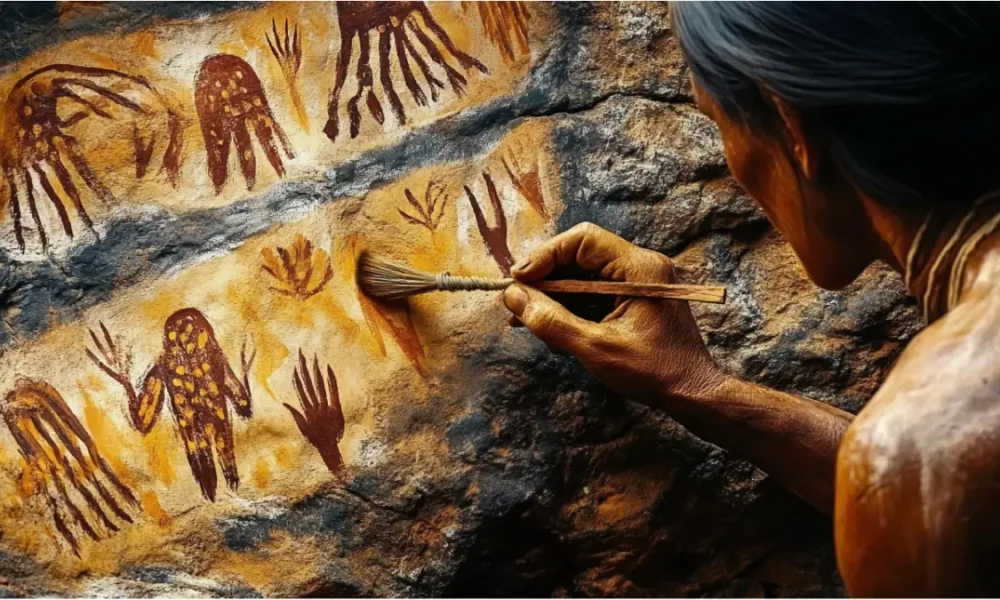
Ancient Artz encompasses creative expressions from civilizations spanning prehistory through the fall of the Roman Empire, roughly 3.3 million years ago to 500 CE. This rich heritage includes prehistoric cave paintings, monumental sculptures, intricate pottery, massive architectural structures, and ceremonial objects that reveal how early humans understood their world.
Table Of Content
Each civilization developed distinctive artistic styles reflecting their unique environments, religious beliefs, and social hierarchies. Egyptian art emphasized permanence and order through rigid formality. Greek art celebrated human beauty and proportion. Mesopotamian cultures created narrative reliefs documenting military conquests and divine authority.
Iconic masterpieces include the Great Sphinx of Giza, carved from limestone around 2500 BCE, and the Venus de Milo, a Greek sculpture from approximately 150 BCE. China’s Terracotta Army, consisting of thousands of life-sized warrior statues, protected Emperor Qin Shi Huang in the afterlife. The Stele of Hammurabi displays one of history’s earliest legal codes in cuneiform script.
These works function as historical documents. They preserve belief systems, technological achievements, and aesthetic values that would otherwise remain unknown.
Why Ancient Art Matters Today
Ancient Artz provides direct evidence of human cognitive and creative development across millennia. You see the same fundamental emotions—love, grief, triumph, devotion—expressed through vastly different cultural lenses.
A Paleolithic cave painting from Lascaux, France, demonstrates sophisticated artistic technique from 17,000 years ago. Roman frescoes from Pompeii capture daily life frozen in volcanic ash. These works prove that artistic expression is fundamental to human nature, not a modern luxury.
Contemporary artists, architects, and designers continuously reference ancient forms. Greek columns appear in modern government buildings. Egyptian color palettes influence graphic design. Mesopotamian patterns inform textile arts. Understanding these origins enriches how you interpret contemporary visual culture.
How We Experience Ancient Art Today
Digital technology has transformed access to Ancient Artz. Major museums now offer high-resolution virtual galleries where you can examine artifacts in detail impossible even with in-person viewing. The British Museum, Louvre, and Metropolitan Museum of Art maintain extensive online collections with educational resources.
Three-dimensional scanning creates digital replicas that preserve exact measurements and surface details. You can view the Parthenon sculptures or Egyptian tomb paintings from multiple angles on your device. This accessibility democratizes art history education previously limited by geography and resources.
Virtual reality applications let you walk through reconstructed ancient sites. You can experience the Colosseum as Roman spectators did or explore the temples of Angkor Wat during their peak. These technologies create emotional connections that static textbook images cannot match.
Understanding Ancient Artistic Techniques
Ancient artists mastered materials available in their environments. Egyptian artisans ground minerals into pigments that retained brilliance for millennia. They carved granite using copper tools and abrasive sand, creating sculptures that weighed tons yet displayed intricate detail.
Greek sculptors developed the contrapposto stance, positioning figures with weight on one leg to create natural movement. They understood anatomy well enough to depict muscles, tendons, and bone structure accurately beneath draped fabric.
Roman engineers perfected concrete, enabling architectural innovations like the Pantheon’s massive dome. Their frescoes used egg tempera and mineral pigments applied to wet plaster, fusing color directly into walls.
These techniques inform modern conservation efforts. Understanding original methods helps preservers maintain authenticity during restoration.
Current Preservation Challenges
Climate change threatens countless archaeological sites. Rising temperatures accelerate decay in organic materials. Increased humidity damages frescoes and manuscripts. Coastal sites face erosion from rising sea levels and severe storms.
The Lascaux caves, home to Paleolithic paintings, closed to public access in 1963 after visitor breath and body heat encouraged destructive mold growth. A replica cave allows tourism while protecting the originals. This approach balances preservation with education.
Repatriation debates question who controls cultural heritage. The Parthenon Marbles, removed from Greece in the early 1800s and housed in the British Museum, remain contested. Egypt seeks return of artifacts including the Rosary Stone. These discussions involve legal ownership, cultural identity, and educational access.
Advanced imaging technologies offer solutions. Multispectral imaging reveals faded paintings beneath surface layers. 3D printing creates study replicas, allowing researchers to handle reproductions while originals remain protected. Artificial intelligence identifies patterns humans might miss, aiding authentication and restoration planning.
Resources for Ancient Art Enthusiasts
You can explore Ancient Artz through multiple accessible channels. University open courseware from institutions like MIT and Yale provides free lectures on ancient civilizations and their artistic achievements.
Museum websites offer more than virtual tours. They include scholarly articles, conservation blogs, and educational videos explaining context behind exhibitions. The Getty Museum publishes extensive research on ancient Mediterranean art. The Smithsonian provides resources on ancient American civilizations.
Cultural blogs and podcasts make art history approachable. They connect ancient works to contemporary issues, demonstrating continued relevance. Academic journals like the Journal of Egyptian Archaeology publish new discoveries and interpretations.
Traveling exhibitions bring ancient works to regional museums. These curated shows often pair ancient artifacts with contemporary art, highlighting ongoing dialogues between past and present creative traditions.
The Enduring Legacy of Ancient Art
Ancient Artz demonstrates that human creativity transcends time, geography, and cultural difference. A 4,000-year-old sculpture speaks across millennia because it expresses something universally recognizable about human experience.
These works prove that aesthetic beauty, spiritual expression, and technical mastery mattered to our ancestors as much as survival. They invested enormous resources in creating objects meant to outlast their makers. That impulse to leave meaningful marks connects you directly with people separated by thousands of years.
Studying ancient art reveals both continuity and change in human civilization. Basic drives—to worship, commemorate, beautify, and communicate—remain constant. Methods, materials, and meanings evolve while core purposes persist.
Conclusion
Ancient Artz Exploring Timeless Masterpieces continues to captivate because it addresses fundamental questions about human nature. These works document our ancestors’ attempts to understand existence, honor the divine, commemorate the dead, and create beauty that defies mortality.
By engaging with these masterpieces, you participate in conversations spanning civilizations. You see evidence of shared humanity despite vast cultural differences. Ancient art reminds you that creativity is not luxury but necessity—a defining characteristic of human consciousness across history.
The study of Ancient Artz transforms how you understand your place in human history. These works connect you to a creative tradition that predates written language and will likely outlast contemporary civilization.