

Animal Shelter Shed: Features, Design, and Materials Guide
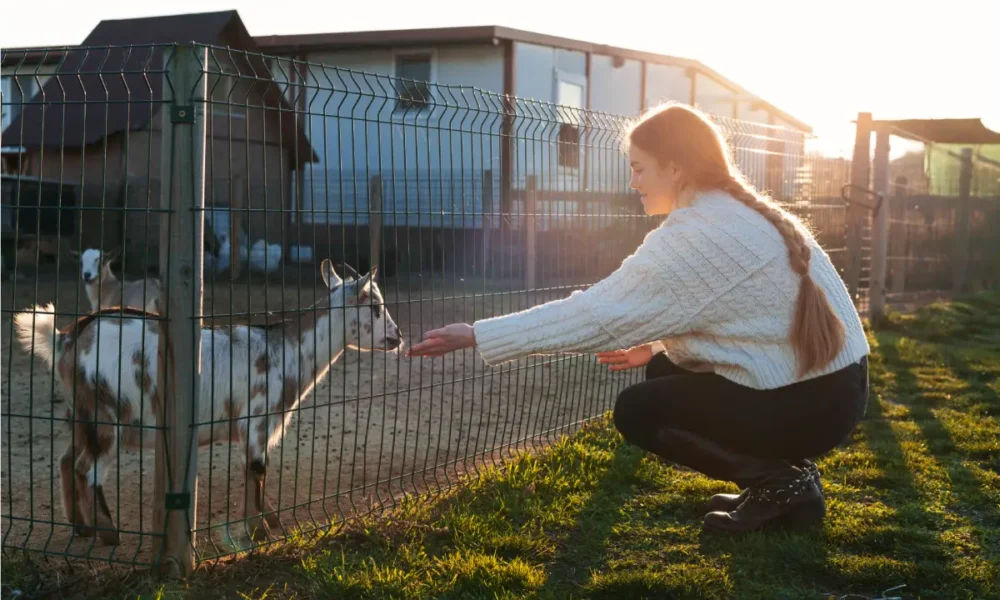
An animal shelter shed provides protected housing for farm animals, rescue pets, or outdoor animals that need protection from weather and predators. These structures serve multiple purposes, from temporary housing at rescue facilities to permanent accommodation on small farms or residential properties.
Table Of Content
A well-designed shelter protects animals from extreme temperatures, precipitation, and wind while maintaining proper ventilation and hygiene. The specific requirements depend on the animal species, local climate, and intended use.
Planning Your Animal Shelter Shed
Before construction begins, several factors determine the appropriate size and design.
Size Requirements
Space needs vary by animal type. Goats and sheep typically require 15-20 square feet per animal for indoor housing. Chickens need 2-4 square feet per bird inside a coop. Dogs in kennel situations generally need at least 40-60 square feet per animal.
These are minimum guidelines. Additional space improves animal comfort and reduces territorial behavior.
Location Considerations
Choose elevated, well-drained ground to prevent flooding and moisture accumulation. The site should have natural windbreaks when possible and access to utilities if water or electricity will be needed.
Check local zoning ordinances and building codes before construction. Many areas require permits for structures above certain sizes or have setback requirements from property lines.
Climate Adaptations
Regional weather patterns affect design choices. Cold climates require better insulation and draft protection. Hot climates benefit from increased ventilation, shade structures, and reflective roofing materials.
Essential Features
Certain elements make any animal shelter more functional and safer for occupants.
Ventilation Systems
Air circulation prevents respiratory problems and controls humidity. Ridge vents, soffit vents, or adjustable windows allow fresh air movement without creating drafts at animal level.
In enclosed spaces, calculate one square foot of ventilation opening per 150 square feet of floor space as a general guideline.
Temperature Control
Insulation moderates interior temperatures. Foam board, fiberglass batts, or spray foam in walls and ceiling reduce heat loss in winter and heat gain in summer.
Uninsulated sheds work in mild climates but become uncomfortable during temperature extremes.
Flooring Options
Flooring must withstand moisture, provide traction, and allow cleaning. Concrete offers durability and easy sanitization. Seal concrete to reduce moisture absorption and add rubber mats for warmth and comfort.
Compacted gravel works for larger animals but requires deeper bedding. Wood floors deteriorate quickly in animal housing due to moisture exposure.
Weather Protection
Sealed construction prevents water intrusion and drafts. Metal or asphalt shingle roofing with adequate overhang protects walls from rain. Caulk gaps around doors, windows, and where walls meet the foundation.
Install gutters to direct water away from the structure’s base.
Interior Organization
Partitions separate different animals or create areas for specific purposes. Removable panels offer flexibility as needs change.
Dedicated feeding areas prevent contamination and reduce competition. Wall-mounted feeders and waterers keep floors cleaner.
Lighting
Windows provide natural light and reduce electricity needs. Place windows high enough to prevent escape but low enough to admit adequate light.
Weatherproof electrical fixtures with LED bulbs offer energy-efficient artificial lighting for early morning or evening care.
Design Considerations
Layout affects both animal welfare and daily maintenance efficiency.
Access and Movement
Door width should accommodate equipment like wheelbarrows, feed carts, or cleaning tools. A minimum 36-inch width works for most purposes. Double doors or sliding barn doors simplify material handling.
Human-height clearance (minimum 6.5 feet) makes interior work more comfortable.
Bedding Storage and Use
Designate dry storage areas for bedding materials within or adjacent to the shelter. This reduces labor and keeps bedding clean.
Different animals prefer different bedding. Straw provides good insulation for larger animals. Wood shavings absorb moisture well for smaller animals. Rubber mats reduce bedding needs in some applications.
Drainage and Cleaning
Sloped floors (minimum 2% grade) direct liquids toward drains or exits. This significantly reduces standing water and cleaning time.
Smooth, sealed surfaces clean more easily than rough or porous materials. Avoid sharp corners where waste accumulates.
Utility Access
Running water simplifies cleaning and provides drinking water. Frost-proof hydrants or heated water lines prevent freezing in cold climates.
Electrical service allows heated waterers, fans, or medical equipment if needed.
Material Selection
Durable, safe materials reduce long-term maintenance and replacement costs.
Structural Components
Pressure-treated lumber resists rot and insect damage in ground-contact and high-moisture applications. Use appropriate treatment ratings: UC4 for ground contact, UC3B for above-ground exterior use.
Metal framing offers longevity and fire resistance but requires insulation to prevent condensation and temperature extremes.
Roofing
Metal roofing lasts 40-60 years with minimal maintenance. It sheds snow and rain effectively and comes in reflective colors that reduce heat absorption.
Asphalt shingles cost less initially but require replacement every 15-25 years.
Wall Materials
Exterior-grade plywood or oriented strand board (OSB) with weather-resistant coatings provides economical wall sheathing. Seal all edges and surfaces.
Metal siding offers durability and fire resistance. Vinyl siding works in residential settings but may not withstand animal contact in high-traffic areas.
Hardware and Fixtures
Galvanized or stainless steel hardware resists corrosion in high-humidity environments. Heavy-duty hinges and latches withstand repeated use and animal pressure.
Avoid toxic materials. Lead-based paints, certain treated woods, and some metal coatings pose health risks if animals chew or lick surfaces.
Safety Features
Proper design prevents injuries and escapes.
Secure Fencing and Barriers
Perimeter fencing prevents escapes and protects animals from predators. Fence type and height depend on the animal species and local predator populations.
Bury fencing 12-18 inches deep to prevent digging under barriers.
Fire Prevention
Store hay, straw, and other flammable materials away from electrical equipment. Install smoke detectors in larger facilities.
Keep fire extinguishers accessible and maintain clear exit paths.
Hazard Elimination
Remove or cover protruding nails, sharp edges, and splinters. Animals investigate their environment and can injure themselves on overlooked hazards.
Ensure all chemicals, tools, and medications stay in locked storage separate from animal areas.
Maintenance Requirements
Regular upkeep preserves the structure and protects animal health.
Routine Inspections
Check roofing, siding, and seals quarterly for damage. Small repairs prevent larger problems. Look for signs of rodent activity or wood damage from insects.
Test ventilation systems before seasonal changes to ensure proper function.
Cleaning Protocols
Remove waste and soiled bedding daily or as needed based on animal type and density. Deep clean and disinfect the entire structure at least quarterly.
Proper sanitation prevents disease transmission and parasite infestations.
Seasonal Adjustments
Winter preparations include checking insulation, sealing drafts, and ensuring heating elements function. Summer readiness involves maximizing ventilation, providing shade, and verifying water systems work properly.
Supply Management
Maintain adequate bedding, feed storage, and cleaning supplies. Rotate stored items to prevent spoilage or pest infestation.
Replace worn mats, damaged feeders, or broken fixtures promptly.
Cost Factors
Budget for both initial construction and ongoing expenses.
Building Expenses
DIY construction of a basic 10×12 foot shed typically costs $1,500-$3,000 in materials. Professional construction or larger structures increase costs proportionally.
Permit fees, site preparation, and utility connections add to the base price.
Operating Costs
Factor in bedding, utilities, repairs, and replacement materials. These vary widely based on animal number, structure size, and local prices.
Conclusion
A properly designed animal shelter shed protects animals while simplifying care routines. Success depends on matching the structure to specific animal needs, climate conditions, and available resources. Careful planning, appropriate materials, and consistent maintenance create housing that serves animals well for many years.