

Authentic Travel Photography Techniques You Need to Try
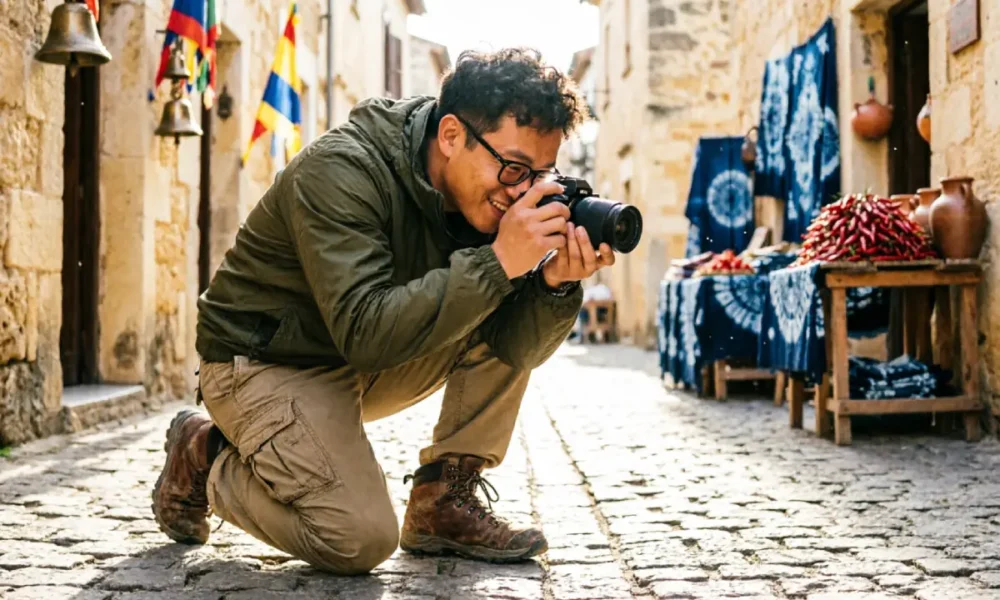
Great travel photography starts long before the shutter clicks, and learning genuine, authentic travel photography techniques begins with mindset, not gear. Instead of chasing a checklist of famous landmarks, approach every destination as a story waiting to be told. Ask yourself what emotion you want a viewer to feel, and what small details — a weathered doorway, a shared meal, a child’s laughter — will carry that feeling better than a postcard shot ever could. This shift in mindset turns you from a tourist with a camera into a visual storyteller, and it shapes every decision you make in the field, from where you stand to what you choose to leave out of the frame.
Table Of Content
- Master Natural Light – How to Make Golden Hour, Harsh Sun, and Overcast Work for You
- Create Color Harmony That Draws the Eye and Strengthens Your Story
- Compose for Authenticity – Using the Rule of Thirds, Leading Lines, and Natural Frames
- Capture Genuine Moments, Not Just Posed Smiles – The Art of Candid Travel Photography
- Build Trust and Rapport – An Ethical Approach to Photographing People and Cultures
- Discreet Camera Settings and Strategic Burst Mode for Unscripted Action
- Travel Photography Gear That Supports Discretion, Speed, and Versatility
- Get It Right In-Camera – Why You Can’t Fix a Missed Moment in Editing
- Turn Difficult Conditions (Crowds, Bad Weather, Poor Light) into Creative Opportunities
- Develop Your Own Authentic Style Through Experimentation and Reflection
- Build a Visual Travel Diary That Tells a Complete, Emotional Story
Master Natural Light – How to Make Golden Hour, Harsh Sun, and Overcast Work for You
Light is the single biggest factor separating an amateur snapshot from a striking travel photograph. Golden hour, the window just after sunrise and before sunset, wraps scenes in warm, directional light that flatters faces and adds depth to landscapes. Harsh midday sun is trickier, but it isn’t your enemy — use it to create bold shadows, silhouettes, or high-contrast street scenes. Overcast skies act like a giant softbox, ideal for even skin tones and rich, saturated colors in markets or forests. Learning to read light rather than avoid it means you can shoot confidently at any hour.
Create Color Harmony That Draws the Eye and Strengthens Your Story
Color is an emotional language. A photo built around complementary tones — orange against blue, red against green — creates instant visual tension and interest, while analogous colors produce calm, cohesive scenes. Before pressing the shutter, scan the frame for color relationships: a red umbrella against teal water, or saffron robes against a stone temple wall. Editing later can enhance color harmony, but the strongest images are composed with color in mind from the start, so train your eye to notice it in the moment.
Compose for Authenticity – Using the Rule of Thirds, Leading Lines, and Natural Frames
Composition guides the viewer’s eye and gives a photo structure without making it feel staged. The rule of thirds — placing key subjects off-center — creates natural balance and breathing room. Leading lines, whether a cobblestone alley or a coastline, pull attention toward your subject and add a sense of journey. Natural frames like doorways, branches, or windows add depth and context, subtly telling the viewer where they are. Used together, these tools create images that feel intentional yet unforced, letting authenticity shine through structure rather than despite it.
Capture Genuine Moments, Not Just Posed Smiles – The Art of Candid Travel Photography
The most memorable travel photographs rarely involve someone looking directly at the lens with a rehearsed smile. Candid photography captures real expressions: concentration, joy, exhaustion, curiosity. To get these moments, shoot from a distance with a longer lens, or blend into a scene long enough that people forget you’re there. Anticipate action rather than reacting to it — watch a vendor’s rhythm, a child’s play, or a craftsman’s hands, and be ready before the peak moment happens rather than after.
Build Trust and Rapport – An Ethical Approach to Photographing People and Cultures
Photographing people, especially in unfamiliar cultures, carries real responsibility. Spend a few minutes talking with someone before raising your camera; a smile, a few words in the local language, or simply sharing why you’re interested in their story goes a long way. Always be willing to ask permission, and respect a “no” without pressure. This approach not only protects the dignity of your subjects but often results in better photographs, since people who trust you relax into more natural, expressive poses than they would for a stranger with a lens.
Discreet Camera Settings and Strategic Burst Mode for Unscripted Action
Fumbling with settings costs you fleeting moments. Set your camera to shutter priority or a fast aperture in advance, so you’re ready to shoot the instant something happens. Silent shutter mode helps you stay unobtrusive in quiet settings like temples or markets. Burst mode is invaluable for unpredictable action — a dancer’s spin, a bird taking flight, a wave crashing — letting you select the single best frame afterward rather than hoping you timed one shot perfectly. Preparation, not luck, is what separates photographers who consistently capture authentic moments from those who miss them.
Travel Photography Gear That Supports Discretion, Speed, and Versatility
You don’t need the heaviest bag to get compelling images; you need gear that keeps you fast and unobtrusive. A mirrorless camera with a versatile zoom lens (roughly 24–70mm) covers most street and landscape situations without drawing attention. A small prime lens with a wide aperture is excellent for low light and portraits with soft backgrounds. Pack light: a single camera body, two lenses, spare batteries, and a lightweight bag let you move quickly through crowds and stay present in the moment instead of weighed down by equipment.
Get It Right In-Camera – Why You Can’t Fix a Missed Moment in Editing
Editing can enhance a photo, but it cannot manufacture a moment that wasn’t captured well. Focus on nailing exposure, composition, and focus at the time of shooting rather than relying on post-processing to rescue a flawed shot. Check your histogram, confirm focus is on the eyes or key subject, and glance at your composition before moving on. This discipline builds a stronger portfolio over time, because every image starts from a solid foundation rather than needing heavy correction.
Turn Difficult Conditions (Crowds, Bad Weather, Poor Light) into Creative Opportunities
Crowded squares, sudden rain, or dim alleyways often feel like obstacles, but they’re frequently where the most distinctive images come from. Use crowds to create a sense of scale or energy, framing your subject amid motion blur. Rain creates reflections and a moody atmosphere that clear skies can’t replicate. Low light situations push you toward silhouettes, candlelight portraits, or long exposures of city lights. Reframing challenging conditions as creative prompts, rather than problems to avoid, will consistently set your work apart.
Develop Your Own Authentic Style Through Experimentation and Reflection
Technical skill gets you competent photographs; a personal style gets you memorable ones. Review your favorite images periodically and look for patterns — do you gravitate toward warm tones, tight portraits, or wide environmental shots? Deliberately experiment with techniques outside your comfort zone, then reflect on what resonates. Over time, this process reveals your visual voice, the recurring choices that make your work recognizably yours rather than an imitation of someone else’s aesthetic.
Build a Visual Travel Diary That Tells a Complete, Emotional Story
A strong travel photography collection isn’t just a series of impressive individual shots; it’s a narrative arc. Mix wide establishing shots with close details, portraits with landscapes, and quiet moments with action, the way a documentary editor would sequence a film. When you return home, curate your images into a sequence that carries an emotional beginning, middle, and end. This approach transforms a folder of photos into a visual diary that lets viewers feel like they traveled alongside you, rather than simply viewing where you’ve been.