

Bareboat Yacht Charter Guide: Requirements, Destinations, and Planning Tips
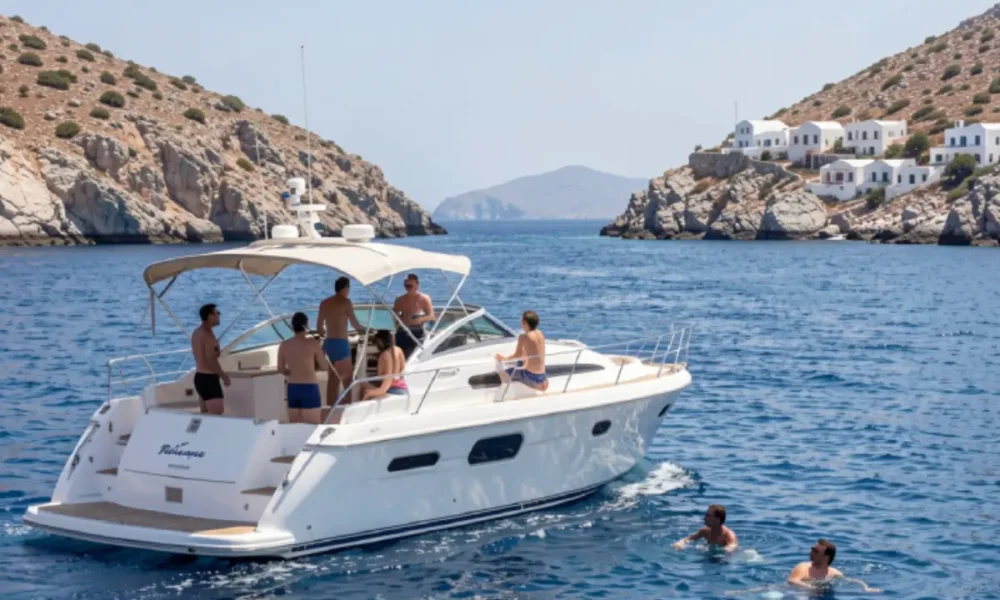
A bareboat yacht charter allows experienced sailors to rent a vessel without a captain or crew, providing complete control over navigation, itinerary, and onboard operations. Unlike crewed charters, bareboat arrangements require the charterer to possess proper sailing certifications and assume full responsibility for vessel operation.
Table Of Content
- Understanding Bareboat Yacht Charters
- Required Certifications and Qualifications
- Insurance and Liability Considerations
- Advantages of Bareboat Chartering
- Operational Independence
- Privacy and Vessel Access
- Cost Structure
- Skill Development
- Popular Bareboat Charter Destinations
- British Virgin Islands
- Greece and the Mediterranean
- Caribbean and Other Regions
- Selecting the Appropriate Vessel
- Monohull vs. Catamaran
- Vessel Size Considerations
- Planning Your Bareboat Charter
- Seasonal Timing
- Booking Process
- Provisioning and Supplies
- Navigation and Weather Preparation
- Safety Protocols
- Cost Breakdown
- Common Challenges and Considerations
- Limited Experience Levels
- Weather Dependencies
- Mechanical Issues
- Group Dynamics
- Practical Sailing Skills
- Summary
This guide covers the fundamentals of bareboat chartering, from qualification requirements to destination selection and practical planning considerations.
Understanding Bareboat Yacht Charters
A bareboat charter is a rental agreement where the charterer receives the vessel alone, without professional crew or provisions. The person chartering the yacht acts as skipper, taking responsibility for navigation, safety, and all operational decisions during the rental period.
The arrangement differs significantly from crewed charters or skippered options. With a bareboat charter, you determine your route, anchorage points, and daily schedule without predetermined itineraries or crew involvement.
Required Certifications and Qualifications
Charter companies require documented proof of sailing competence before releasing a vessel. Common requirements include:
Standard Certifications:
- International Certificate of Competence (ICC) or equivalent national sailing license
- VHF radio operator’s license (varies by country)
- Sailing resume documenting experience level, vessel types, and nautical miles logged
Some charter companies conduct practical assessments, particularly for larger vessels or challenging sailing areas. Requirements vary by destination, vessel size, and charter company policies.
Insurance and Liability Considerations
Bareboat charters typically require security deposits ranging from $2,000 to $10,000, depending on vessel value. Charter agreements include damage waivers with deductibles that charterers remain responsible for.
Third-party charter insurance can reduce personal liability exposure. Policies typically cover damage deductibles, medical emergencies, trip cancellations, and personal belongings. Many experienced charterers purchase supplemental coverage beyond the charter company’s basic protection.
Advantages of Bareboat Chartering
Operational Independence
Bareboat charters provide complete control over sailing decisions. Charterers determine departure times, route selections, and anchorage locations without consulting crew members or adhering to predetermined schedules.
Privacy and Vessel Access
The entire yacht remains available exclusively to the charterer’s group. All cabins, deck spaces, and common areas remain private throughout the charter period.
Cost Structure
Bareboat charters typically cost 30-50% less than comparable crewed options, since captain and crew salaries aren’t included in the base rate. This cost difference often allows charterers to select larger vessels or extend rental periods.
Skill Development
Operating a bareboat charter requires active navigation, weather assessment, and problem-solving. Charterers gain practical experience with route planning, sail handling, docking procedures, and emergency management.
Popular Bareboat Charter Destinations
British Virgin Islands
The British Virgin Islands offer conditions well-suited to bareboat sailing. Consistent trade winds, protected waters, and short inter-island distances (typically 5-15 nautical miles) make navigation straightforward for various experience levels.
The region includes approximately 60 islands and cays. Major charter bases operate from Tortola, with popular sailing routes including Norman Island, Virgin Gorda, Jost Van Dyke, and Anegada.
Sailing season runs year-round, with peak conditions from December through May. Water temperatures remain between 78-84°F throughout the year.
Greece and the Mediterranean
Greece provides access to multiple sailing regions, each with distinct characteristics:
Ionian Islands: Calmer winds (10-15 knots average) and sheltered channels make this area suitable for less experienced bareboat sailors. Primary bases include Corfu and Lefkas.
Cyclades: Stronger prevailing winds (15-25 knots) create more challenging conditions. The region features the characteristic white architecture and blue-domed churches associated with Greek islands.
Dodecanese: Located along the Turkish coast, this area offers historical sites, varied anchorages, and moderate wind conditions.
Charter bases operate throughout Greece, with major hubs in Athens (Alimos Marina), Corfu, Lefkas, Rhodes, and Kos. Sailing season runs from April through October, with peak conditions in May-June and September.
Caribbean and Other Regions
Bahamas: Shallow waters, numerous anchorages, and proximity to the United States make this area accessible for shorter trips. Charter bases operate from Nassau and the Abacos.
Croatia: The Dalmatian Coast offers protected sailing, medieval coastal towns, and over 1,000 islands. Primary bases include Split, Dubrovnik, and Zadar.
Thailand: The Andaman Sea provides tropical sailing with limestone karsts and coral reefs. Charter bases operate from Phuket, with sailing seasons from November through April.
Selecting the Appropriate Vessel
Monohull vs. Catamaran
Monohull Characteristics:
- Traditional sailing dynamics with heel response
- Better upwind performance in most conditions
- Generally lower charter costs
- Narrower beam requires less dock space
Catamaran Characteristics:
- Greater stability with minimal heel
- Shallow draft allows access to more anchorages
- Separate hulls provide cabin privacy
- Larger deck and salon spaces
- Higher charter rates (typically 40-60% more than comparable monohulls)
Vessel Size Considerations
Charter yachts range from 32 feet (suitable for 2-4 people) to 60+ feet (accommodating 10-12 people). Larger vessels require more advanced handling skills, particularly in close-quarters maneuvering and docking situations.
Most bareboat charterers select vessels between 38-48 feet, balancing space requirements with handling capability. Consider crew experience level when sizing vessels – a well-handled 40-footer often provides a better experience than a poorly managed 50-footer.
Planning Your Bareboat Charter
Seasonal Timing
High Season: Offers optimal weather but includes higher rates and crowded anchorages. Advance booking (6-12 months) becomes necessary for popular periods.
Shoulder Season: Provides favorable conditions with reduced rates and fewer vessels. Mediterranean shoulder seasons (May-early June, September-October) and Caribbean shoulder periods (early December, late April-May) offer good value.
Low Season: Some destinations close to bareboat operations during unfavorable weather periods (hurricane season in the Caribbean, winter in Mediterranean).
Booking Process
Charter bookings typically require:
- Initial inquiry with experience documentation
- Certificate verification
- Deposit payment (usually 30-50% of charter cost)
- Insurance selection or waiver signing
- Final payment (typically due 30-60 days before departure)
- Pre-charter briefing scheduling
Provisioning and Supplies
Most charter bases offer provisioning services where food and supplies are pre-loaded. Alternatively, charterers can purchase provisions locally upon arrival.
Essential Supplies:
- Adequate food and water for the entire crew and duration
- First aid supplies beyond the vessel’s basic kit
- Sunscreen, hats, and sun protection
- Waterproof bags for electronics and valuables
- Spare batteries and charging equipment
- Medications and personal care items
Local markets at various stops allow for fresh provisions during longer charters.
Navigation and Weather Preparation
Modern charter yachts include GPS chartplotters, but traditional chart reading skills provide essential backup capability. Familiarize yourself with the sailing area’s charts, hazards, and recommended routes before departure.
Monitor weather forecasts daily through VHF weather channels, online resources, or charter base briefings. Understand local weather patterns, including typical wind directions, storm seasons, and sea state conditions.
Safety Protocols
Pre-Departure Checks:
- Safety equipment inspection (life jackets, flares, fire extinguishers)
- Communication equipment testing (VHF radio, mobile phones)
- Navigation equipment verification
- Engine and mechanical systems check
- Safety briefing for all crew members
During Charter:
- Establish watch schedules for longer passages
- Maintain regular position awareness
- Monitor weather conditions continuously
- Keep the charter company informed of significant itinerary changes
- Know the location of nearest safe harbors
Cost Breakdown
Bareboat charter costs vary by destination, season, and vessel type. Typical expense categories include:
Base Charter Fee: $2,000-$15,000+ per week, depending on vessel size and season
Additional Costs:
- Security deposit: $2,000-$10,000 (refundable minus damages)
- Charter insurance/damage waiver: $200-$500+ per week
- Fuel: $100-$500+ depending on usage
- Marina/mooring fees: $30-$100+ per night
- Provisioning: $100-$200+ per person per week
- Permits and cruising taxes: Varies by destination
Budget approximately 30-40% above the base charter rate to cover all additional expenses.
Common Challenges and Considerations
Limited Experience Levels
Charterers sometimes overestimate their abilities or underestimate the challenges of unfamiliar sailing areas. Choose destinations and vessel sizes that match actual experience levels rather than aspirational capabilities.
Weather Dependencies
Wind and sea conditions affect daily plans. Build flexibility into itineraries, identifying alternate anchorages and routes for various weather scenarios.
Mechanical Issues
While charter companies maintain vessels professionally, equipment failures occur. Basic troubleshooting knowledge and prompt communication with the charter company help resolve issues quickly.
Group Dynamics
Close-quarters living tests relationships. Establish clear roles, decision-making processes, and communication methods before departure.
Practical Sailing Skills
Beyond basic certifications, certain capabilities significantly improve bareboat experiences:
Mooring and Anchoring: Many popular anchorages use mooring balls rather than anchoring. Practice approach techniques, line handling, and proper mooring procedures.
Docking and Maneuvering: Mediterranean mooring (stern-to docking) requires specific skills. Practice boat handling in confined spaces and understand prop walk effects.
Weather Interpretation: Learn to read cloud formations, understand barometric pressure changes, and recognize signs of approaching weather systems.
Night Passages: While most bareboat sailing occurs during daylight, ability to navigate safely after dark expands routing options.
Summary
Bareboat yacht charters provide experienced sailors with independent control over vessel operations, itineraries, and sailing decisions. The arrangement requires proper certifications, adequate sailing experience, and careful planning.
Successful bareboat charters depend on honest assessment of skills, appropriate vessel selection, thorough preparation, and flexible planning that accounts for weather and unforeseen circumstances. Popular destinations like the British Virgin Islands and Greece offer varying conditions suited to different experience levels.
Understanding costs, insurance requirements, safety protocols, and practical sailing skills helps ensure safe and enjoyable bareboat charter experiences.