

Benefits of Garage Sheds: Storage, Vehicle Protection, and Property Value
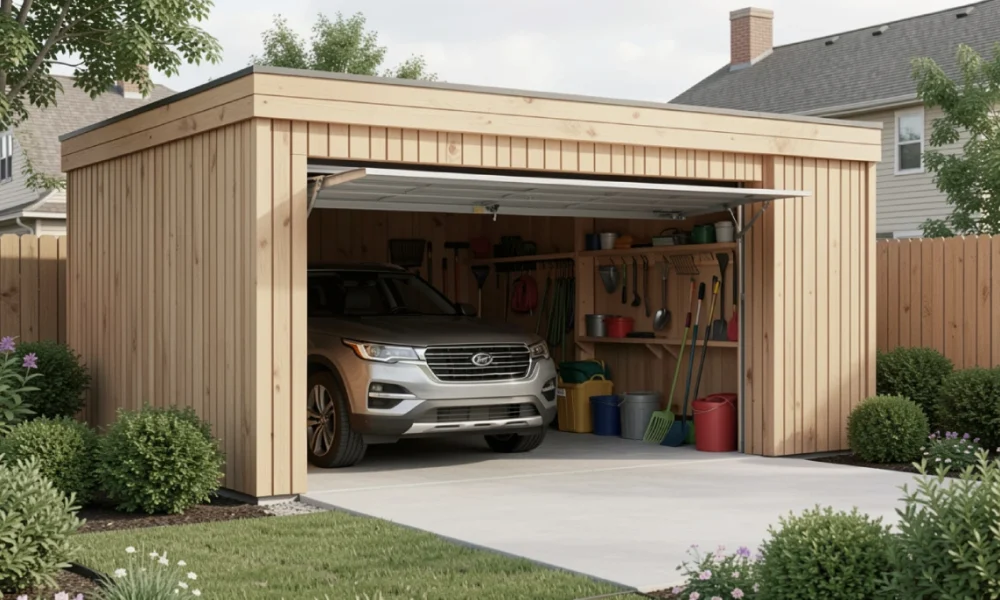
A garage shed is a prefabricated or custom-built outdoor structure that combines the storage capacity of a traditional shed with the access and vehicle protection of a garage. Unlike standard storage sheds, garage sheds typically feature an overhead or roll-up door wide enough to drive in a car, ATV, riding mower, or other equipment. For homeowners who want dedicated outdoor storage without the cost and permanence of a contractor-built garage, a garage shed is often the most practical solution.
Table Of Content
- What Is a Garage Shed?
- Types of Garage Sheds
- Wooden Garage Sheds
- Metal Garage Sheds
- Plastic (Resin) Garage Sheds
- Benefits of Installing a Garage Shed
- Vehicle and Equipment Protection
- Dedicated, Organized Storage Space
- Cost-Effective Alternative to a Built Garage
- Increased Property Value
- Versatility Beyond Storage
- How to Choose the Right Garage Shed
- 1. Determine Size Requirements
- 2. Select the Right Material
- 3. Consider Weather and Climate
- 4. Check Local Zoning and Permit Requirements
- 5. Plan Your Access and Door Configuration
- 6. Set a Realistic Budget
- FAQs
- Can a garage shed support the weight of a car?
- Do I need a permit for a garage shed?
- How long does a garage shed last?
- Is a prefab garage shed as durable as a site-built garage?
- Conclusion
What Is a Garage Shed?
A garage shed functions fully as a garage — complete with a large access door — while offering the flexibility and affordability of a prefabricated structure. Most models are built on a concrete or compacted gravel pad, making installation far simpler than a traditional attached or detached garage. Prefab garage sheds of similar size to a contractor-built two-car garage can cost significantly less, making them an accessible option for a wider range of budgets.
The terms “garage shed” and “detached garage” are often used interchangeably, but there is a practical distinction: detached garages are typically large enough to house at least one full-size vehicle (generally 12×20 feet minimum), while garage sheds can be smaller and still qualify by virtue of their overhead door configuration. A 12×24 footprint is commonly recommended if you want room for a vehicle plus a workbench or storage area along the walls.
Types of Garage Sheds
Choosing the right material is one of the most consequential decisions you’ll make when selecting a garage shed. Each option involves trade-offs between cost, appearance, maintenance, and longevity.
Wooden Garage Sheds
Wood is the most popular material for homeowners who want a structure that matches their home’s exterior. Wooden garage sheds can be finished with a range of siding styles, painted to match any color scheme, and trimmed with architectural details like cupolas, dormers, or carriage-style doors.
- Advantages: Attractive, highly customizable, good natural insulation, and structurally sound when built with quality materials such as LP SmartSide engineered wood siding.
- Disadvantages: Requires periodic maintenance — painting, staining, or sealing — to prevent moisture damage and pest infiltration. Generally more expensive upfront than metal or resin options.
Metal Garage Sheds
Steel and aluminum garage sheds are built for durability and low maintenance. They resist pests and are often the most affordable option in larger sizes.
- Advantages: Resistant to fire and insects, long service life, and typically lower in cost than wood for comparable square footage.
- Disadvantages: Prone to rust if the protective coating is scratched or improperly treated. Can become hot in summer without adequate ventilation, and may not offer the same visual appeal as wooden structures.
Plastic (Resin) Garage Sheds
Resin or vinyl garage sheds are lightweight, easy to assemble, and require almost no maintenance. They will not rot, rust, or require painting.
- Advantages: Weather-resistant, low upkeep, and affordable. Good choice for mild climates or homeowners who want a no-fuss option.
- Disadvantages: Limited in size and structural capacity compared to wood or metal. Generally not suited for vehicle storage due to floor load limitations, and customization options are minimal.
Benefits of Installing a Garage Shed
Vehicle and Equipment Protection
One of the primary reasons homeowners invest in a garage shed is to protect vehicles and outdoor equipment from weather exposure. Cars, motorcycles, ATVs, golf carts, and riding mowers left outside are exposed to UV degradation, rust-promoting moisture, and freeze-thaw cycles that shorten their lifespan. Storing them inside a garage shed — even one without climate control — significantly reduces that exposure. Quality garage sheds include proper weatherproofing, sturdy roofing, and in some cases heavy-duty flooring (such as 3/4″ LP flooring) capable of bearing vehicle weight.
Dedicated, Organized Storage Space
When the main garage fills up with seasonal items, holiday decorations, and outdoor gear, there is no longer room for its intended purpose. A garage shed creates a separate, dedicated space for tools, garden equipment, bicycles, kayaks, and other bulky items. With ample wall space and higher ceilings than standard sheds, most garage sheds can accommodate shelving units, pegboards, and overhead storage racks — making it possible to organize vertically and keep floor space clear.
Cost-Effective Alternative to a Built Garage
Hiring a contractor to build a traditional garage can cost $27,000 or more for a basic two-car structure, depending on location and specifications. A prefab garage shed of comparable footprint typically starts well below that figure, and installation is considerably faster. For homeowners who need garage-level functionality without a full construction project, a prefab garage shed offers strong value. Some suppliers also offer rent-to-own arrangements, which lowers the barrier to entry further.
Increased Property Value
Homes with garage structures typically sell at higher prices than comparable homes without them. A well-maintained garage shed — particularly one that is attractively designed and appropriately sized — can improve a property’s appeal to prospective buyers. If the structure is portable, it can also move with you when you sell, though a fixed, well-landscaped unit left with the property is generally viewed as a selling point.
Versatility Beyond Storage
Garage sheds are not limited to storing vehicles and equipment. With appropriate insulation, electrical wiring, and lighting, the same structure can serve a range of uses:
- Home office or studio — A quiet, separate workspace away from the main house
- Workshop — Space for woodworking, DIY projects, and hobby work, with room to spread out without disrupting the home
- Home gym — Enough floor space for equipment without the footprint concerns of an indoor conversion
- Man cave or she shed — A dedicated personal retreat
- Guest accommodation — Larger two-story models can be finished out for occasional guest use
- Vehicle hobby space — Ideal for car restoration, detailing, or motorcycle maintenance
The flexibility of these structures is a key reason their popularity has grown among homeowners looking for functional alternatives to costly home additions.
How to Choose the Right Garage Shed
1. Determine Size Requirements
Start by listing what you intend to store. A single riding mower or ATV requires significantly less space than a full-size truck. If you want both vehicle storage and a workbench area, a 12×24 footprint is a sensible minimum. Plan for future use, not just immediate needs.
2. Select the Right Material
Match the material to your priorities. Wood suits homeowners who prioritize appearance and customization. Metal works well for those focused on cost and low-effort durability. Resin is practical for smaller, lighter-duty storage needs in mild climates. Vinyl siding options are also worth considering for their near-zero maintenance requirements.
3. Consider Weather and Climate
Your local climate should drive decisions about roofing type, foundation, ventilation, and door insulation. In areas with heavy snow loads, roof pitch and structural strength matter more. In humid climates, proper ventilation and moisture-resistant flooring become priorities.
4. Check Local Zoning and Permit Requirements
Many municipalities require a building permit for structures above a certain size or with a permanent foundation. Local zoning rules may also govern setback distances from property lines, maximum structure height, and whether a detached garage can be used as a dwelling. Check with your local planning or building department before purchasing or installing a garage shed.
5. Plan Your Access and Door Configuration
The overhead door is what distinguishes a garage shed from a standard storage shed. Roll-up doors are generally easier to maintain than swing-out doors and take up less overhead space when open. Carriage-style doors offer visual appeal but may not be the most practical for frequent vehicle access. If you plan to drive vehicles through the structure, consider whether a drive-through configuration (doors at both ends) would improve your workflow.
6. Set a Realistic Budget
Your budget should include the cost of the structure itself, any site preparation (grading, pouring a concrete pad or laying gravel), delivery and installation fees, and optional upgrades like electrical wiring, interior shelving, or a workbench. Professional installation adds cost but ensures a level, secure structure with a properly fitted door.
FAQs
Can a garage shed support the weight of a car?
This depends on the flooring. Standard shed flooring is not designed for vehicle weight. If you plan to drive a car into your garage shed, look for models with heavy-duty engineered wood flooring (3/4″ treated plywood or equivalent) rated for vehicle loads, or plan to pour a concrete slab foundation.
Do I need a permit for a garage shed?
In many areas, yes — particularly if the structure exceeds 120–200 square feet or has a permanent foundation. Requirements vary by municipality. Always check local regulations before purchasing.
How long does a garage shed last?
A well-built wooden or metal garage shed can last 20 to 30 years or more with appropriate maintenance. The lifespan depends on material quality, climate, foundation type, and how well the structure is maintained over time.
Is a prefab garage shed as durable as a site-built garage?
Quality prefab garage sheds built with engineered materials are structurally sound for most residential purposes, including vehicle storage. They are generally not equivalent to a fully built masonry or poured-concrete garage, but for most homeowners, they offer a comparable level of protection and durability at a considerably lower cost.
Conclusion
A garage shed is a practical, cost-effective way to add vehicle storage, organized equipment space, and usable square footage to your property — without the expense or complexity of a traditional garage construction project. The right structure depends on your storage goals, available space, local regulations, and the climate you live in. By clearly defining those factors before you buy, you can choose a garage shed that serves your needs for years to come and adds measurable value to your property.