

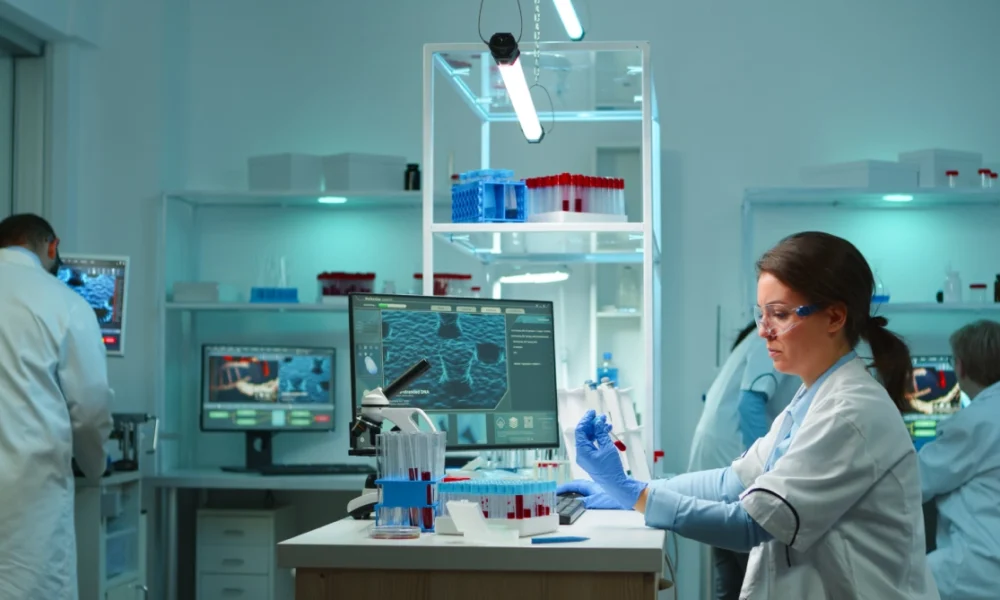
Biotechnology Innovations: Discovery & Sustainable Solutions. Biotechnology has emerged as a driving force behind medical breakthroughs, sustainable agriculture, and environmental solutions. Modern biotech companies combine scientific expertise with practical applications to solve real-world problems through biological innovation.
Table Of Content
The field focuses on three main areas: healthcare treatments through genetic engineering, sustainable agricultural solutions, and environmental remediation technologies. What makes modern biotechnology powerful is the integrated approach—these innovations work together to create comprehensive solutions across multiple sectors.
Gene Editing and CRISPR Technology
Gene editing represents one of the most promising areas in biotechnology research. Scientists have refined CRISPR-Cas9 technology to target specific genetic conditions with unprecedented precision.
How does gene editing work? Researchers use specialized proteins that function like microscopic scissors to cut DNA at precise locations. This allows them to remove harmful genetic mutations or insert beneficial genes.
Current genetic engineering applications target:
Hereditary blood disorders – Including sickle cell anemia and beta-thalassemia
Metabolic conditions – Addressing rare enzyme deficiencies that traditional medicine struggles to treat
Inherited vision problems – Restoring sight for patients with specific genetic mutations
Immune system disorders – Enhancing the body’s natural defenses against disease
Neurological conditions – Early-stage research on genetic components of brain disorders
Each application undergoes rigorous testing before moving to clinical trials, with safety protocols that meet or exceed regulatory standards.
AI-Powered Drug Discovery
Traditional drug development takes an average of 10 years and costs over $2 billion per medication. Artificial intelligence is transforming this process by dramatically reducing both timelines and expenses.
Here’s how AI-driven drug discovery platforms are changing pharmaceutical development:
Rapid screening – Algorithms evaluate millions of molecular compounds in days rather than months
Pattern recognition – AI identifies hidden relationships between drug structures and effectiveness that human researchers might miss
Reduced failure rates – Computer modeling predicts side effects before physical testing begins, eliminating harmful candidates early
Cost efficiency – Streamlined processes can cut development costs significantly
Targeted solutions – AI helps create medications for conditions previously considered difficult to treat
This approach has led to breakthrough medications entering clinical trials. Treatments for antibiotic-resistant bacterial infections represent one notable area where AI has identified promising molecular candidates that traditional screening methods might have overlooked.
Personalized Medicine Revolution
Personalized medicine tailors healthcare to your unique genetic makeup, making treatments more effective and accessible. By analyzing a patient’s genetic profile, doctors can prescribe therapies specifically designed for that individual’s biology.
Key benefits of personalized medicine approaches include:
Enhanced treatment effectiveness – Medications matched to your genetic profile work better with fewer side effects
Preventive care opportunities – Identifying genetic risk factors before symptoms appear
Reduced medical costs – Fewer trial-and-error treatments mean less wasted medication
Better patient outcomes – Targeted therapies can produce significantly higher recovery rates than standard treatments
Accurate dosing – Genetic information helps determine exactly how much medication each patient needs
Modern genomic sequencing technology has made analyzing genetic information more affordable than ever. This accessibility brings personalized treatments within reach for more patients. The approach considers not just genetic markers but also environmental factors and lifestyle elements that influence treatment effectiveness.
Sustainable Agricultural Solutions
Feeding a growing global population without harming our planet ranks among today’s biggest challenges. Agricultural biotechnology has developed biofertilizers that boost crop yields while reducing chemical runoff.
These natural fertilizers use beneficial microorganisms that form symbiotic relationships with plants, improving nutrient uptake naturally. Farmers using advanced biofertilizers can see substantial yield increases while reducing conventional fertilizer dependency. This translates to both economic benefits for growers and environmental advantages for communities.
Biopesticides derived from natural plant compounds target harmful insects while sparing beneficial ones like bees and butterflies. This selective approach protects pollinators while maintaining crop protection.
Environmental Remediation Through Biotechnology
Oil spills, industrial waste, and plastic pollution threaten ecosystems worldwide. Bioremediation uses living organisms to clean up pollution naturally.
How does bioremediation work? Scientists identify and cultivate specific bacteria and fungi that can break down toxic compounds into harmless substances. Contaminated industrial sites can be cleaned using specially engineered microbes that consume petroleum residues, transforming toxic brownfields into usable land faster than conventional cleanup methods.
Researchers have also pioneered enzymes that can degrade certain types of plastics, offering hope for reducing plastic waste in landfills and oceans. These biological solutions provide alternatives to energy-intensive traditional remediation approaches.
Ethics in Biotechnology
With scientific power comes responsibility. Leading biotech organizations maintain dedicated bioethics committees that review research projects before they begin.
Core ethical principles in modern biotechnology include:
Transparency – Research methods and results are documented and available for review
Informed consent – Test subjects and genetic donors fully understand how their contributions will be used
Benefit sharing – Communities that contribute to research receive direct benefits from resulting technologies
Environmental stewardship – Products undergo ecological impact assessment before release
Accessibility – Life-saving innovations are developed with affordability considerations
These committees include scientists, ethicists, community representatives, and patients. Every innovation undergoes ethical screening to balance scientific progress with human values. Organizations publish ethics reports and maintain transparency about research protocols.
When working with genetic materials from diverse populations, strict consent procedures ensure benefits flow back to communities contributing genetic information. This ethical framework builds trust between research institutions and the public.
Science Communication and Public Understanding
Public understanding of biotechnology has been shaped by advocates who explain complex science in accessible terms. These science communicators bridge the gap between laboratory breakthroughs and public awareness.
Notable science educators like Dr. Jennifer Doudna, who helped develop CRISPR technology, have made biotechnology more understandable through books, interviews, and public speaking. These advocates explain how biotechnology addresses global challenges while addressing common fears and misconceptions.
Their work creates an informed public that can thoughtfully engage with new biotechnology developments rather than responding with uninformed reactions. This understanding proves crucial as biotech innovations become more prevalent in everyday life.
The Future of Biotechnology
Modern biotechnology represents what happens when scientific innovation meets practical problem-solving. By combining cutting-edge research with ethical considerations, the field continues developing solutions that improve lives and protect our planet.
The biotechnology sector evolves rapidly, with researchers pushing boundaries while maintaining responsible practices. Whether addressing medical challenges through gene therapy, creating sustainable agricultural practices, or cleaning up environmental damage, biotechnology offers powerful tools for humanity’s pressing problems.
As these technologies mature, they become more accessible and affordable. The convergence of AI, genetic engineering, and biological systems creates unprecedented opportunities for innovation across healthcare, agriculture, and environmental protection.