

Buying Tirzepatide for Weight Management: What You Need to Know Before You Start
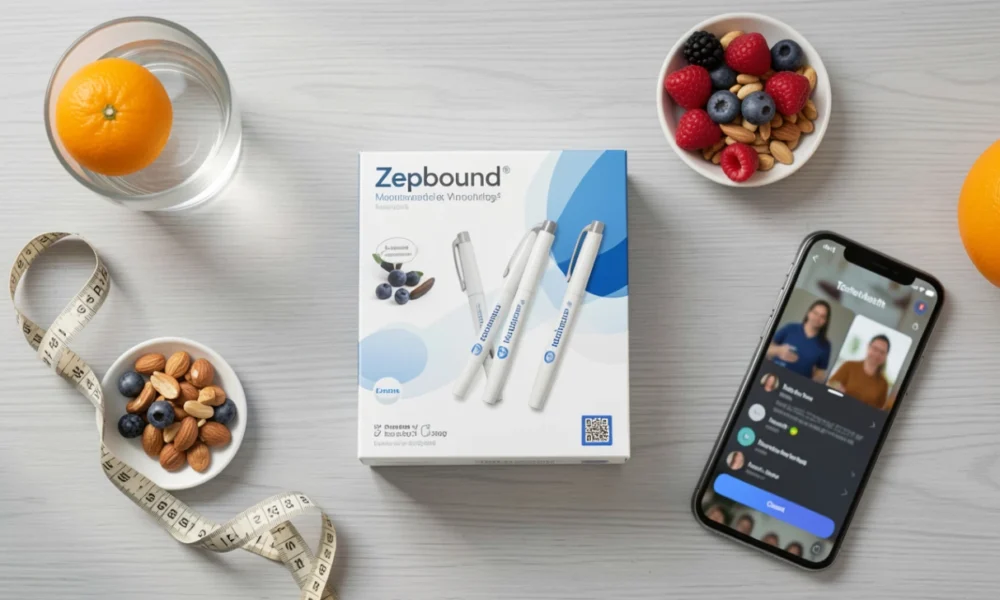
Tirzepatide has become one of the most widely discussed prescription medications for chronic weight management. Sold under the brand names Zepbound® and Mounjaro® — both manufactured by Eli Lilly and Company — it represents a meaningful option for adults struggling to achieve meaningful weight loss through diet and exercise alone.
Table Of Content
- What Is Tirzepatide and How Does It Work?
- Who Is Eligible for Tirzepatide?
- How to Obtain a Tirzepatide Prescription
- Tirzepatide Dosage Schedule
- Tirzepatide Cost and How to Manage It
- List Prices (as of late 2025)
- Insurance Coverage
- Self-Pay Options: LillyDirect
- Manufacturer Savings Cards
- Warning: Compounded Tirzepatide
- Side Effects to Know Before Starting
- Combining Tirzepatide with Lifestyle Changes
- Conclusion
Before purchasing tirzepatide, understanding how it works, who qualifies, what it costs, and where to safely obtain it can help you make a well-informed decision alongside your healthcare provider.
What Is Tirzepatide and How Does It Work?
Tirzepatide is a once-weekly injectable medication and the first approved dual GIP (glucose-dependent insulinotropic polypeptide) and GLP-1 (glucagon-like peptide-1) receptor agonist. By targeting both hormone pathways simultaneously, it slows gastric emptying, reduces appetite, increases feelings of fullness, and improves insulin sensitivity — producing greater average weight loss than single-pathway GLP-1 medications like semaglutide.
Clinical data from the SURMOUNT-1 trial — a 72-week randomized, double-blind study — showed mean weight reductions of 15.0% at 5 mg, 19.5% at 10 mg, and 20.9% at the 15 mg dose, compared to 3.1% with placebo. More than 85% of participants on any tirzepatide dose achieved at least 5% weight loss.
Zepbound® vs. Mounjaro® — Key Differences
| Feature | Zepbound® | Mounjaro® |
|---|---|---|
| FDA-approved use | Chronic weight management, obstructive sleep apnea (OSA) | Type 2 diabetes management |
| Off-label use | Sometimes used for blood sugar control | Frequently prescribed off-label for weight loss |
| Available form | Prefilled pen and vial/syringe | Prefilled pen only |
| Manufacturer | Eli Lilly | Eli Lilly |
Both products contain the same active ingredient and share the same dosing schedule, but carry different FDA indications and insurance coverage rules.
Who Is Eligible for Tirzepatide?
Zepbound® is FDA-approved for adults with a BMI of 30 kg/m² or higher (obesity), or a BMI of 27 kg/m² or higher (overweight) with at least one weight-related health condition such as hypertension, type 2 diabetes, high cholesterol, metabolic syndrome, or obstructive sleep apnea. Mounjaro® is approved specifically for adults with type 2 diabetes, though it is commonly prescribed off-label for weight management under the same BMI criteria.
A prescribing physician will also assess contraindications before approving tirzepatide. The medication is not appropriate for individuals with:
- A personal or family history of medullary thyroid carcinoma
- Multiple Endocrine Neoplasia syndrome type 2 (MEN2)
- A history of pancreatitis with unresolved causes
- Severe diabetic retinopathy without ophthalmologic monitoring in place
Most clinical guidelines, including the 2025 American Diabetes Association Standards of Care, also require documented participation in a comprehensive lifestyle intervention — covering diet, physical activity, and behavioral changes — as a condition of prescribing tirzepatide for weight management.
How to Obtain a Tirzepatide Prescription
Tirzepatide is a prescription-only medication. It cannot be purchased over the counter, and any source offering it without a valid prescription should be treated as a serious red flag.
Step 1: Consult a licensed healthcare provider. A physician, nurse practitioner, or other qualified prescriber will evaluate your medical history, current BMI, existing health conditions, and any medications that may interact with tirzepatide — such as sulfonylureas or insulin, which can increase hypoglycemia risk when combined with GLP-1-based medications.
Step 2: Get your prescription filled at a licensed pharmacy. Tirzepatide should only be purchased from a state-licensed pharmacy. The FDA explicitly warns against purchasing GLP-1 medications from unverified online sources, as counterfeit and improperly compounded versions have led to hundreds of reported adverse events.
Step 3: Explore the prescriber’s recommended dose and administration plan. Tirzepatide is injected subcutaneously into the abdomen, thigh, or upper arm. Injection sites should be rotated with each dose.
Several telehealth platforms now offer access to tirzepatide through licensed providers for qualifying patients. After completing a medical intake assessment, a provider reviews the information and determines eligibility. This can be a convenient route for patients in areas with limited access to obesity medicine specialists, though it still requires a valid prescription and fulfillment through a licensed pharmacy.
Tirzepatide Dosage Schedule
Tirzepatide uses a gradual step-up dosing approach to minimize side effects while the body adjusts to the medication.
| Week Range | Typical Dose |
|---|---|
| Weeks 1–4 | 2.5 mg once weekly |
| Weeks 5–8 | 5 mg once weekly |
| Weeks 9–12 | 7.5 mg once weekly (if needed) |
| Weeks 13–16 | 10 mg once weekly (if needed) |
| Weeks 17–20 | 12.5 mg once weekly (if needed) |
| Week 21+ | 15 mg once weekly (maintenance, if tolerated) |
Maintenance doses are individualized. Not everyone will need to reach 15 mg — some patients achieve their goals at 5 mg or 10 mg. Your prescriber adjusts the dose based on your response and tolerance.
Tirzepatide Cost and How to Manage It
List Prices (as of late 2025)
- Zepbound® prefilled pen: approximately $1,086 per 28-day supply, across all dose strengths
- Mounjaro® prefilled pen: approximately $1,080 per 28-day supply, across all dose strengths
These are list prices — most patients with insurance or manufacturer savings programs pay substantially less.
Insurance Coverage
Coverage for tirzepatide varies significantly by plan type:
- Employer-sponsored insurance: As of 2025, roughly 16–43% of employers cover GLP-1 medications for weight loss, with larger companies more likely to include coverage.
- Medicare Part D: Currently covers tirzepatide for type 2 diabetes management, but not weight loss alone. Federal policy changes expected in 2026 may expand coverage for obesity indications.
- Medicaid: Several state programs cover GLP-1 drugs for obesity, though this varies by state.
- Marketplace plans: Some Health Insurance Marketplace plans include GLP-1 coverage, but benefits vary annually.
Self-Pay Options: LillyDirect
For patients without insurance coverage, Eli Lilly operates the Zepbound Self Pay Journey Program through LillyDirect. This program offers Zepbound® single-dose vials at reduced prices for out-of-pocket purchasers:
- 2.5 mg vial: approximately $349/month
- 5 mg vial: approximately $499/month
- 7.5 mg and 10 mg vials: approximately $499/month (on-time refills within a 45-day window)
Vials above 10 mg (12.5 mg and 15 mg) are only available as prefilled pens at full list price. The LillyDirect program ships directly to patients, bypassing the retail pharmacy supply chain.
Manufacturer Savings Cards
Patients with commercial insurance who still face high out-of-pocket costs may qualify for Eli Lilly’s savings card programs, which can reduce monthly costs significantly. Ask your prescriber or pharmacist for current program eligibility requirements.
Warning: Compounded Tirzepatide
During a period of high demand-related shortage, the FDA temporarily allowed compounding pharmacies to produce tirzepatide. That authorization ended on March 19, 2025, when tirzepatide was removed from the drug shortage list. As of that date, the FDA prohibits the sale of compounded tirzepatide in most circumstances.
Some online sources continue to sell compounded versions in violation of this restriction. The FDA has received over 545 adverse event reports linked to compounded tirzepatide as of mid-2025. Compounded products are not subject to the same manufacturing standards as FDA-approved medications and may contain incorrect ingredients, inaccurate dosages, or harmful contaminants. Purchasing tirzepatide from any source other than a licensed pharmacy carries a meaningful safety risk.
Side Effects to Know Before Starting
The most commonly reported side effects — occurring in at least 5% of patients in clinical trials — are gastrointestinal in nature:
- Nausea
- Diarrhea
- Vomiting
- Constipation
- Abdominal discomfort
- Reduced appetite
These effects are most pronounced during dose increases and typically improve as the body adjusts. Starting at the lowest dose and increasing gradually, as prescribed, significantly reduces their severity. Serious but less common risks include pancreatitis, diabetic retinopathy, changes in patients with pre-existing diabetes, and potential thyroid effects (based on animal data, with ongoing monitoring recommended).
Combining Tirzepatide with Lifestyle Changes
Tirzepatide is prescribed alongside — not instead of — a reduced-calorie diet and increased physical activity. Clinical outcomes are strongest when the medication supports an existing commitment to behavioral change. A registered dietitian can help build a nutrition plan that works with the appetite changes tirzepatide produces. Regular physical activity, even at moderate intensity, complements the metabolic effects of the medication.
Weight management also has psychological dimensions. Emotional eating patterns, stress, and motivation all affect long-term results. Many prescribers recommend including behavioral or mental health support as part of a comprehensive weight management plan.
One important consideration: if tirzepatide is stopped, weight regain is common. Patients and providers should discuss a long-term treatment strategy before starting.
Ongoing medical oversight is an essential part of safe tirzepatide use. Follow-up appointments allow your provider to:
- Assess your weight loss progress and metabolic markers
- Adjust dosage based on tolerance and effectiveness
- Monitor for side effects or emerging contraindications
- Review any relevant lab work, including blood glucose, thyroid function, or lipid panels, where indicated
Conclusion
Tirzepatide — available as Zepbound® for weight management and Mounjaro® for type 2 diabetes — is one of the most effective prescription options currently available for chronic obesity treatment. Buying it safely requires a valid prescription from a licensed provider, fulfillment through a state-licensed pharmacy, and awareness of cost-reduction programs like LillyDirect for self-pay patients. Combined with consistent lifestyle changes and regular medical oversight, it offers a well-supported path toward meaningful, sustained weight loss for those who qualify.