

Cold Climate Heat Pumps | How They Work, Costs, and Whether They’re Right for Your Home
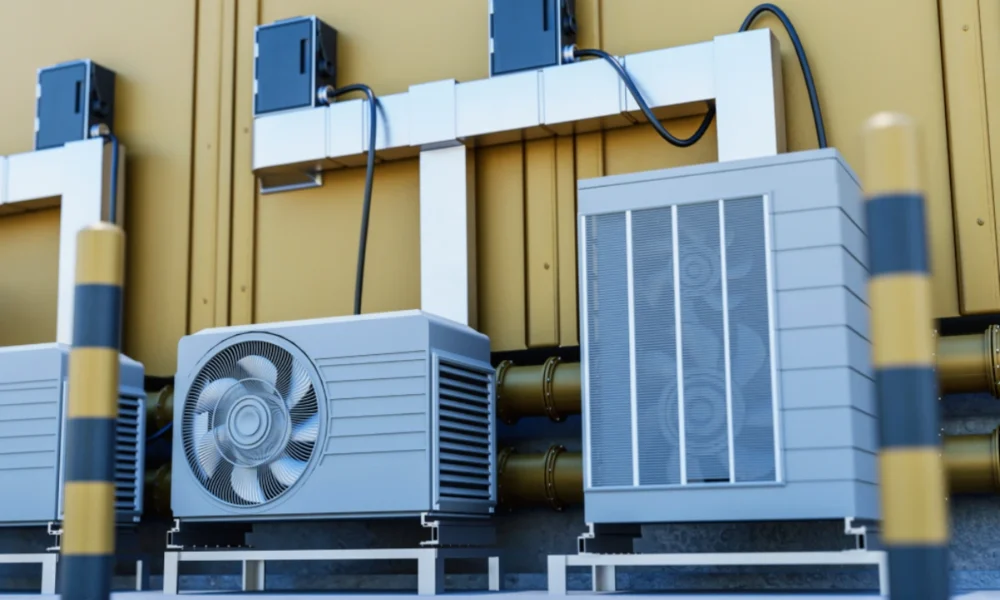
Cold climate heat pumps represent a major advancement in heating technology for homeowners in regions with harsh winters. Unlike traditional heating systems that burn fuel, these units extract heat from outdoor air even when temperatures drop well below freezing, providing efficient year-round comfort while reducing energy bills.
Table Of Content
- What Are Cold Climate Heat Pumps?
- How Cold Climate Heat Pumps Compare to Traditional Heating
- Energy Savings and Operating Costs
- Performance at Low Temperatures
- Dual-Fuel and Hybrid Systems
- Ducted vs. Ductless Cold Climate Heat Pumps
- Leading Manufacturers and Models
- Consistent Comfort and Temperature Control
- Environmental Benefits
- Installation Considerations
- Maintenance Requirements
- Is a Cold Climate Heat Pump Right for You?
- Rebates and Incentives
- The Bottom Line
What Are Cold Climate Heat Pumps?
Cold climate heat pumps are advanced heating and cooling systems designed to function efficiently at outdoor temperatures as low as -15°F to -22°F, depending on the model. These units differ from standard heat pumps through several key technologies:
Variable-Speed Inverter Compressors adjust output from 20% to 100% capacity based on heating demand. This modulation allows the system to maintain efficiency across a wider temperature range compared to traditional systems that simply turn on and off.
Vapor Injection Technology provides a performance boost when outdoor temperatures drop, functioning like a turbo system that increases heating capacity during extreme cold.
Advanced Defrost Cycles prevent ice buildup on outdoor coils through improved coil design and smart controls that minimize defrost frequency while maintaining heating output.
To earn the ENERGY STAR Cold Climate designation, heat pumps must meet specific performance thresholds. They must deliver a Coefficient of Performance (COP) of at least 1.75 at 5°F, meaning they produce 1.75 units of heat for every unit of electricity consumed—far more efficient than electric resistance heating, which has a COP of 1.0.
How Cold Climate Heat Pumps Compare to Traditional Heating
Traditional heating systems such as furnaces and boilers generate heat through combustion or electric resistance. Cold climate heat pumps transfer heat from outside to inside, using minimal electricity in the process.
At 5°F, quality cold climate heat pumps operate at a COP of 2.2 to 2.8, meaning they produce nearly three times more heat than the electricity they consume. Even at brutal temperatures, this significantly outperforms electric resistance heating and provides comparable efficiency to natural gas furnaces without the carbon emissions.
The Department of Energy’s Cold Climate Heat Pump Challenge tested systems at 23 sites across 10 U.S. states and 2 Canadian provinces. Units successfully operated at temperatures as low as -15°F while meeting efficiency requirements. Major manufacturers including Bosch, Carrier, Daikin, Johnson Controls, Lennox, Mitsubishi, Rheem, and Trane Technologies participated in this challenge, with new models expected to be available throughout 2026.
Energy Savings and Operating Costs
Annual heating and cooling bill reductions vary significantly based on the heating system being replaced:
- Replacing electric resistance heat: Save $1,200-$2,500 annually (50-65% reduction)
- Replacing heating oil: Save $800-$2,000 annually (30-50% reduction)
- Replacing propane: Save $600-$1,500 annually (25-40% reduction)
- Replacing natural gas: Modest savings to break-even, with benefits from combined heating/cooling efficiency
According to the National Renewable Energy Laboratory, the average homeowner switching to a heat pump saves $667 per year on heating and cooling costs. For the 49 million U.S. homes using electricity, fuel oil, or propane for heat, switching to a heat pump leads to median annual savings of $300 to $650.
Installation costs for central cold climate heat pumps typically range from $8,000 to $15,000, though complex projects can reach $25,000. Mini-split systems cost $1,500 to $5,000 for single zones. Federal tax credits cover up to 30% of project costs (maximum $2,000), available through 2032. Many state and local utilities offer additional rebates, with some programs providing up to $16,000 in subsidies for income-eligible households.
Performance at Low Temperatures
Cold climate heat pumps maintain impressive efficiency even as temperatures plummet, though performance does decline in extreme conditions:
- At 47°F: 3.0-4.0 COP (300-400% efficiency)
- At 17°F: 2.5-3.2 COP (250-320% efficiency)
- At 5°F: 2.2-2.8 COP (220-280% efficiency)
- At -13°F: 1.8-2.3 COP (180-230% efficiency)
Most quality units deliver 100% heating capacity down to approximately 5°F and maintain 70% or more of rated capacity at lower temperatures. When shopping for a cold climate heat pump, look for units with:
- NEEP (Northeast Energy Efficiency Partnerships) certification
- ENERGY STAR cold climate rating
- Capacity retention of 70%+ at 5°F
- Operational range down to -15°F or lower
- High HSPF2 (Heating Seasonal Performance Factor) ratings, typically 10.0 or higher
- High SEER2 (Seasonal Energy Efficiency Ratio) for cooling, often 20.0 or higher
Dual-Fuel and Hybrid Systems
For regions with extended periods below 5°F, dual-fuel (hybrid) systems combine a cold climate heat pump with a gas furnace as backup. The system automatically selects the most efficient heating source based on outdoor temperature:
- The heat pump handles heating during mild to moderate winter temperatures
- The gas furnace activates during extreme cold when the heat pump’s efficiency drops
- The system switches back to the heat pump as temperatures rise
Dual-fuel systems maximize energy efficiency while ensuring reliable heat during polar vortex conditions. Homeowners can often program the switchover temperature based on local electricity and gas rates. This setup provides design-day resilience without oversizing the heat pump, offering economic balance and future flexibility as home envelopes improve.
As an alternative to gas backup, electric resistance heating elements can provide auxiliary heat, though they are less efficient than dual-fuel configurations.
Ducted vs. Ductless Cold Climate Heat Pumps
The choice between ducted and ductless systems depends on your home’s existing infrastructure:
Ducted Systems integrate with existing ductwork, making them ideal for homes that already have central HVAC distribution. These systems provide whole-home heating and cooling through traditional vents.
Ductless Mini-Splits excel in homes without ductwork, older homes with radiator heating, or when adding climate control to specific areas like garages, workshops, or room additions. These systems feature wall-mounted indoor units connected to outdoor compressors via refrigerant lines.
Both types deliver identical cold-weather performance. The difference lies purely in their heat distribution methods. Ductless systems tend to be more expensive per zone but eliminate ductwork losses and provide targeted temperature control.
Leading Manufacturers and Models
Several manufacturers offer top-performing cold climate heat pumps:
Mitsubishi pioneered cold climate heat pump technology. Their Hyper-Heating H2i systems deliver efficiency ratings up to 23 SEER2 and 12 HSPF2, operating effectively down to -13°F.
Carrier offers the Infinity 24 with Greenspeed Intelligence, built for deep winter performance with models operating down to -22°F. Their systems use R-454B refrigerant, meeting EPA low-GWP requirements.
Trane developed prototypes that performed at -23°F during DOE testing, surpassing requirements. Their variable-speed units deliver 100% heating capacity down to 5°F.
Bosch provides the IDS Premium Connected system with full inverter compressor technology that modulates in 1% increments, maintaining consistent temperatures without energy waste.
Daikin participated in the DOE challenge with cold climate models featuring advanced variable-speed compressors and enhanced refrigerant systems.
Consistent Comfort and Temperature Control
Cold climate heat pumps deliver steady, consistent heat without the temperature fluctuations common with traditional furnaces. Rather than cycling on and off, these systems run at variable speeds, delivering precise heating as needed.
This operation results in more stable indoor temperatures with fewer hot and cold spots. Many models include humidity control features, helping prevent dry winter air issues such as cracked skin, static electricity buildup, and damage to wooden furniture.
The air from heat pump vents feels different than furnace air—heat pumps provide a longer, gentler stream of warm air around 95-100°F rather than the short blasts of 120-140°F air from gas furnaces. While the air may not feel scorching hot at the register, it maintains room temperature more evenly.
Environmental Benefits
Cold climate heat pumps provide significant environmental advantages. Traditional heating systems that burn oil, propane, or natural gas release carbon dioxide and other pollutants. Heat pumps use electricity, which can increasingly be sourced from renewable energy like solar and wind power.
According to the EPA, 13% of U.S. greenhouse gas emissions in 2021 came from commercial and residential sources, with gas furnaces contributing substantially. Switching to heat pumps reduces reliance on fossil fuels. Even when powered by grid electricity, heat pumps typically produce fewer emissions than combustion-based heating due to their superior efficiency.
Modern cold climate heat pumps also use low-GWP (Global Warming Potential) refrigerants such as R-454B and R-32, further reducing environmental effects compared to older R-410A systems.
Installation Considerations
Success with cold climate heat pumps depends heavily on proper installation and home preparation:
Home Insulation and Air Sealing form the foundation of heat pump performance. Leaky homes lose heat faster than heat pumps can replace it, especially during extreme cold. Professional energy audits before installation identify areas needing improvement.
Proper Sizing ensures the unit matches your home’s heating and cooling load. Oversized units cycle on and off frequently, reducing efficiency and comfort. Undersized units struggle to maintain temperature during peak demand. Load calculations using standards like CSA F280 ensure correct sizing.
Experienced Contractors matter as much as equipment quality. Even the best heat pump won’t perform well if installed incorrectly. Sizing, ductwork configuration, airflow, and refrigerant charge all affect performance. Working with contractors certified by manufacturers and experienced with cold climate installations ensures proper setup.
Outdoor Unit Placement requires consideration. Units need clearance for airflow and should be elevated or sheltered to prevent snow and ice accumulation on coils. Some homeowners build shed roofs over units to avoid ice-related shutdowns.
Maintenance Requirements
Cold climate heat pumps require regular maintenance to maintain peak performance:
- Replace or clean air filters every 1-3 months. Heat pumps run longer cycles than furnaces, moving more air through filters
- Schedule annual professional inspections before heating season
- Keep outdoor units clear of snow, ice, leaves, and debris
- Ensure adequate clearance around outdoor units for proper airflow
- Monitor defrost cycles—excessive frost buildup may indicate airflow or refrigerant issues
Proper maintenance extends system lifespan, which typically averages 15 years with correct installation and care.
Is a Cold Climate Heat Pump Right for You?
Cold climate heat pumps work best for homeowners who:
- Live in regions where winter temperatures regularly drop below freezing but rarely spend extended periods below -15°F
- Currently heat with electric resistance, propane, heating oil, or older inefficient systems
- Want to reduce carbon footprint and fossil fuel consumption
- Need both heating and cooling from a single system
- Have adequate insulation and air sealing, or are willing to invest in home weatherization
- Can afford higher upfront costs in exchange for long-term energy savings
For regions with frequent extended periods below 5°F, consider a dual-fuel system that pairs a cold climate heat pump with gas furnace backup for optimal performance and efficiency.
Rebates and Incentives
Financial incentives significantly reduce the net cost of cold climate heat pumps:
Federal Tax Credit: Through 2032, homeowners can claim 30% of installation costs up to $2,000 for qualifying ENERGY STAR certified heat pumps.
State and Utility Programs: Many states and local utilities offer additional rebates. The Database of State Incentives for Renewables & Efficiency (DSIRE) provides comprehensive listings of available programs.
Income-Eligible Programs: Some utilities provide heavily subsidized or no-cost installations for low- to moderate-income households, with assistance up to $16,000 in certain regions.
Combining federal tax credits with state and utility rebates can reduce the total project cost by 40-60% in some cases.
The Bottom Line
Cold climate heat pumps have matured into reliable, efficient heating solutions for most U.S. climates. Advances in compressor technology, refrigerants, and controls allow these systems to maintain strong performance even when outdoor temperatures drop well below zero.
With annual savings of $300 to $1,500 for most households switching from oil, propane, or electric resistance heat, combined with federal tax credits and utility rebates, the payback period typically ranges from 2 to 5 years. Beyond financial benefits, homeowners gain year-round comfort, reduced maintenance compared to separate heating and cooling systems, and significantly lower carbon emissions.
As technology continues advancing and more manufacturers release next-generation models in 2026, cold climate heat pumps represent a practical path toward efficient, comfortable, and environmentally responsible home heating.