

Common Cosmetic Treatments | Types, Benefits, and What to Expect
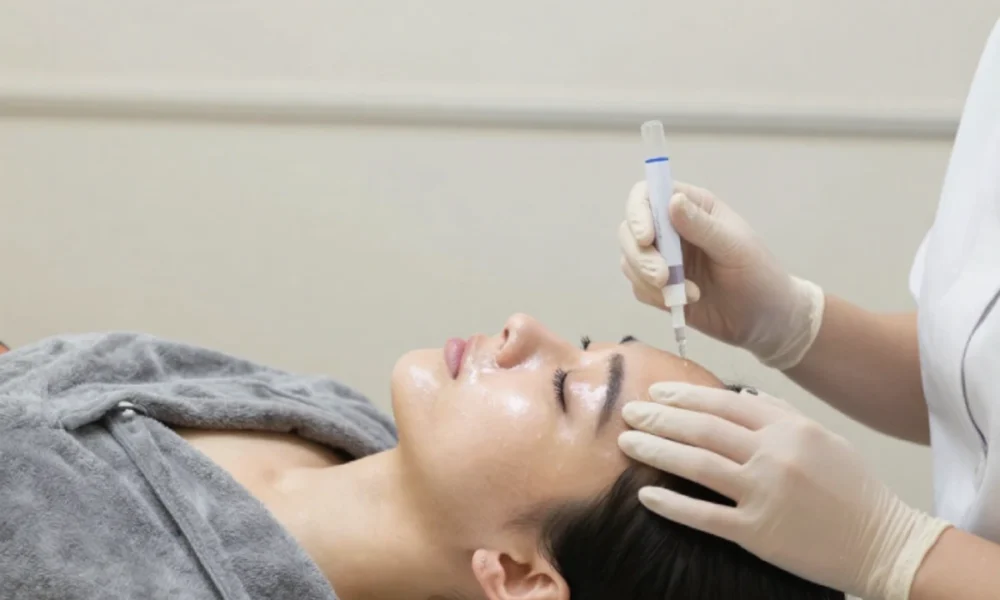
Cosmetic treatments have become increasingly accessible options for addressing specific aesthetic concerns. From reducing signs of aging to improving skin texture, these procedures range from minimally invasive to non-surgical approaches. Understanding how these treatments work, what results they typically provide, and what factors to consider can help individuals make informed decisions about their personal care.
Table Of Content
This guide covers several widely available cosmetic procedures, explaining their mechanisms, typical applications, and general considerations.
Understanding Cosmetic Injectables
Cosmetic injectables encompass two primary categories: neuromodulators and dermal fillers. Each serves distinct purposes in facial rejuvenation.
Neuromodulators (such as botulinum toxin products) temporarily relax specific facial muscles that create wrinkles through repeated movement. These are commonly applied to forehead lines, crow’s feet around the eyes, and frown lines between the eyebrows. Results typically appear within several days and last approximately three to four months.
Dermal fillers use substances like hyaluronic acid to restore volume in areas that have lost fullness due to aging. Common treatment areas include the cheeks, under-eye hollows, nasolabial folds, and lips. Depending on the product type and placement, results can last anywhere from six months to two years.
Both treatments require administration by qualified medical professionals. Individual results vary based on factors including age, skin condition, and the specific product used.
Chemical Peels for Skin Renewal
Chemical peels involve applying an acidic solution to remove damaged outer layers of skin, promoting the growth of new skin cells. The depth of the peel determines both the results and recovery time.
Superficial peels use mild acids like alpha-hydroxy acids to address minor texture issues and provide a refreshed appearance. These require minimal recovery and can be performed regularly.
Medium peels penetrate deeper into the skin using stronger acids such as trichloroacetic acid. These address more pronounced concerns like moderate sun damage, uneven pigmentation, and fine lines. Recovery typically involves several days of visible peeling.
Deep peels use stronger solutions to treat significant skin damage and deeper wrinkles. These require longer recovery periods and are performed less frequently.
Chemical peels may cause temporary redness, sensitivity, and peeling. Sun protection following treatment is essential, as newly revealed skin is more vulnerable to damage.
Body Contouring with Cryolipolysis
Cryolipolysis, commonly known by brand names like CoolSculpting, uses controlled cooling to target and reduce localized fat deposits. The procedure works by cooling fat cells to a temperature that triggers their natural breakdown, while leaving surrounding tissue unaffected.
Common treatment areas include the abdomen, flanks, thighs, and upper arms. The body naturally processes and eliminates the affected fat cells over several weeks to months following treatment.
This approach works best for individuals near their ideal weight who have specific areas of stubborn fat resistant to diet and exercise. It is not a weight loss solution or a treatment for obesity. Multiple sessions may be needed to achieve desired results, and outcomes vary between individuals.
Temporary side effects can include numbness, redness, and firmness in the treated area.
Laser Hair Reduction
Laser hair reduction uses concentrated light energy to target the pigment in hair follicles. The absorbed light damages the follicle, inhibiting future hair growth.
The procedure works most effectively on individuals with dark hair and lighter skin, though newer technologies have expanded treatment options for various skin tones. Multiple sessions spaced several weeks apart are necessary because the treatment only affects hair in its active growth phase.
Most people experience significant hair reduction after a series of treatments, though some maintenance sessions may be needed over time. Complete permanent removal cannot be guaranteed for all individuals.
Temporary side effects may include redness, swelling, and mild discomfort in treated areas. Proper pre-treatment and post-treatment care, including avoiding sun exposure, helps minimize risks.
Microneedling for Skin Texture
Microneedling creates controlled micro-injuries in the skin using fine needles. This triggers the body’s wound-healing response, stimulating collagen and elastin production in the treated area.
The procedure can address various concerns including acne scars, fine lines, enlarged pores, and uneven skin texture. Treatment depth varies based on the specific concern and area being treated.
Sessions typically cause mild redness and sensitivity similar to a sunburn, which usually resolves within a few days. A series of treatments spaced several weeks apart is generally recommended for optimal results.
Results develop gradually over several months as new collagen forms. The procedure should only be performed using sterile equipment by trained professionals to minimize infection risk.
Professional Teeth Whitening
Professional teeth whitening uses higher concentrations of bleaching agents than over-the-counter products, administered under dental supervision. The most common active ingredient is hydrogen peroxide or carbamide peroxide.
In-office treatments typically involve applying a protective barrier to the gums, then applying whitening gel to the teeth. Some systems use light activation to enhance results. Sessions usually last 30-60 minutes and can lighten teeth by several shades.
Take-home kits provided by dentists use custom-fitted trays and professional-strength gel for gradual whitening over one to two weeks.
Results vary based on the original tooth color and the cause of discoloration. Stains from coffee, tea, wine, and smoking generally respond well to whitening. Some types of discoloration, such as those caused by certain medications or internal tooth damage, may not respond to bleaching.
Temporary tooth sensitivity is a common side effect. Whitening effects gradually fade over time, particularly with continued exposure to staining substances.
Radiofrequency Skin Tightening
Radiofrequency (RF) treatments use electromagnetic energy to heat deeper layers of skin, stimulating collagen production and promoting tissue contraction. This can improve the appearance of mild to moderate skin laxity.
Common treatment areas include the face, neck, and jawline. The procedure typically involves passing a device over the skin surface while the RF energy penetrates to targeted depths below.
Results develop gradually over several months as new collagen forms and existing collagen contracts. Multiple treatment sessions are usually recommended. The degree of improvement varies considerably between individuals and depends on factors including age, skin condition, and the severity of laxity.
RF treatments work best for mild to moderate concerns. They do not produce results comparable to surgical procedures for significant skin sagging.
Microblading for Eyebrow Enhancement
Microblading is a semi-permanent cosmetic tattooing technique that creates the appearance of individual eyebrow hairs. A technician uses a handheld tool with fine needles to deposit pigment into the upper layers of skin.
The procedure involves shaping the brows and creating hair-like strokes that blend with existing brow hair. Color is customized to match natural hair tone.
Results typically last one to three years, gradually fading as the body breaks down the pigment. Annual touch-ups help maintain the appearance.
Initial healing takes about 7-10 days, during which the treated area may appear darker before settling into the final color. Proper aftercare during healing is important to prevent infection and ensure good color retention.
Because this involves breaking the skin and depositing pigment, choosing a licensed, experienced practitioner who follows strict hygiene protocols is essential.
Eyelash Extensions
Eyelash extensions involve attaching synthetic, silk, or mink fibers to individual natural lashes using semi-permanent adhesive. Extensions come in various lengths, thicknesses, and curl patterns.
A full set typically takes 1.5 to 2 hours to apply. Extensions last 4-6 weeks, falling out naturally as the lashes they’re attached to complete their growth cycle. Maintenance appointments every 2-3 weeks help fill in gaps.
Proper application by trained technicians and quality adhesives minimize the risk of damage to natural lashes. Poor application or improper removal can cause natural lash breakage.
Extensions require special care, including avoiding oil-based products near the eyes and being gentle when cleansing the face.
Important Considerations
When considering any cosmetic treatment:
Qualifications matter. Verify that practitioners have appropriate credentials and experience with the specific procedure.
Realistic expectations. Results vary between individuals and are influenced by age, skin type, lifestyle factors, and overall health.
Costs. Prices vary significantly based on location, provider experience, and treatment area. Most cosmetic procedures are not covered by insurance.
Maintenance. Many treatments require ongoing sessions or touch-ups to maintain results.
Risks exist. All procedures carry some degree of risk, from minor side effects to potential complications. Discuss these thoroughly during consultations.
Medical history. Certain health conditions, medications, and allergies may make specific treatments inadvisable or require special precautions.
Thorough research and consultation with qualified professionals help ensure safe, satisfactory outcomes when exploring cosmetic treatment options.