

Essential Communication Skills for Academic Success: A Practical Guide for Students
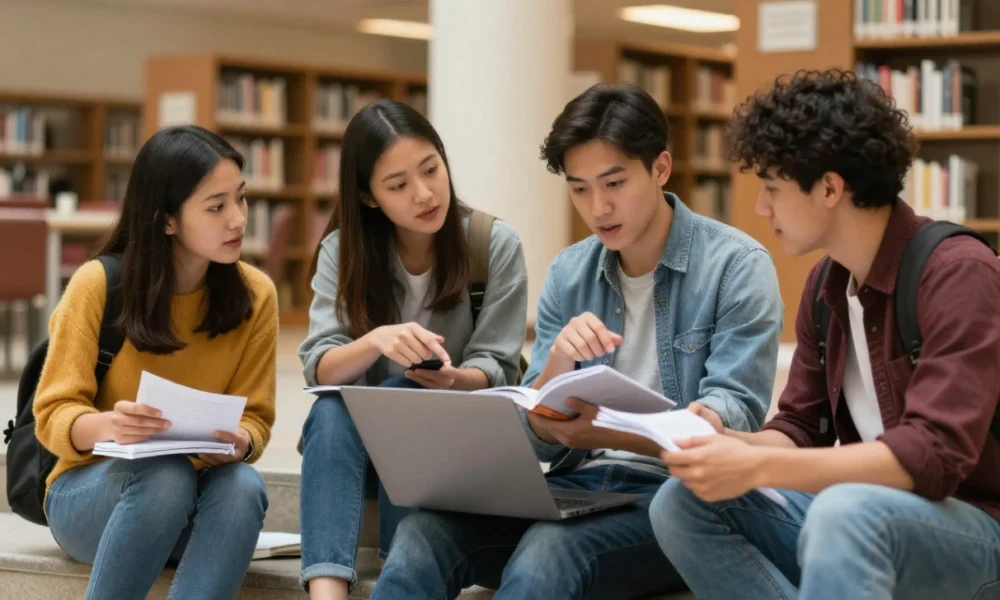
Effective communication forms the foundation of academic achievement and personal growth during your college years. Whether you’re participating in class discussions, emailing professors, collaborating on group projects, or presenting research findings, your ability to convey ideas clearly directly impacts your educational experience.
Table Of Content
- Why Communication Skills Matter in Higher Education
- Verbal Communication in Academic Settings
- Participating in Class Discussions
- Communicating with Instructors During Office Hours
- Written Communication for Academic Success
- Email Etiquette for Student-Faculty Communication
- Academic Writing Fundamentals
- Non-Verbal Communication and Active Listening
- Body Language in Academic Contexts
- Developing Active Listening Skills
- Presentation Skills for Academic Success
- Preparation and Organization
- Visual Aid Design
- Delivery Techniques
- Digital Communication and Netiquette
- Discussion Forums and Online Classes
- Collaborative Digital Tools
- Intercultural Communication Competence
- Recognizing Communication Style Variations
- Building Inclusive Communication Practices
- Building Relationships with Faculty and Staff
- Requesting Letters of Recommendation
- Using Academic Support Services
- Developing a Growth Mindset Through Communication
- Conclusion
This guide explores the essential communication skills students need to develop and provides practical strategies for applying them in real academic situations.
Why Communication Skills Matter in Higher Education
College presents unique communication challenges that differ from high school or professional environments. Students must navigate relationships with professors, teaching assistants, academic advisors, and peers from diverse cultural backgrounds. The ability to communicate effectively in these varied contexts helps you:
- Build meaningful relationships with faculty who can serve as mentors and provide letters of recommendation
- Collaborate productively with classmates on group assignments and projects
- Articulate your understanding of the course material during discussions and presentations
- Advocate for yourself when you need academic accommodations or clarification
- Develop professional competencies that employers value across all career fields
Verbal Communication in Academic Settings
Participating in Class Discussions
Classroom participation requires more than simply talking—it involves contributing meaningfully to ongoing academic conversations. To participate effectively:
- Prepare by completing assigned readings and formulating questions beforehand
- Connect your comments to previous points made by instructors or classmates
- Support your opinions with evidence from course materials
- Practice concise expression of complex ideas
Communicating with Instructors During Office Hours
Office hours represent one of the most underutilized resources for academic success. When meeting with professors :
- Come prepared with specific questions about the course material or assignments
- Demonstrate engagement by referring to specific lectures or readings
- Listen actively to feedback and take notes on suggestions
- Follow up on the advice given to show you value their input
Written Communication for Academic Success
Email Etiquette for Student-Faculty Communication
Email remains the primary mode of formal communication between students and instructors. Following professional email practices demonstrates respect and helps you receive more helpful responses :
Do:
- Include a clear subject line with the course number and topic
- Address instructors appropriately (use their preferred title)
- Be concise while providing necessary context
- Proofread before sending
- Sign with your full name and student ID if relevant
Avoid:
- Using informal language or text message abbreviations
- Demanding immediate responses
- Sending emails late at night unless urgent
- Forgetting to check the course syllabus first for answers to common questions
Academic Writing Fundamentals
Strong written communication in academic contexts involves several key elements :
Clarity and Precision: Express ideas directly using specific language rather than vague generalizations. Define important terms and concepts rather than assuming readers share your understanding.
Structure and Organization: Organize papers with clear introductions, logical paragraph transitions, and conclusions that synthesize main points. Create outlines before writing to ensure coherent flow.
Evidence and Attribution: Support arguments with credible sources and cite them properly according to your discipline’s required style guide. Avoid plagiarism by paraphrasing effectively and quoting when appropriate.
Revision Practices: Set aside time to review and edit your work. Read papers aloud to catch awkward phrasing, and consider visiting writing centers for feedback before submission.
Non-Verbal Communication and Active Listening
Body Language in Academic Contexts
Non-verbal cues significantly influence how others perceive your messages. In academic settings:
- Maintain appropriate eye contact during conversations and presentations to demonstrate engagement
- Use an open posture to appear approachable during group work
- Nod to show understanding when receiving instructions or feedback
- Monitor facial expressions to ensure they align with your intended message
Developing Active Listening Skills
Active listening proves essential for learning and building academic relationships. Practice these techniques :
- Give speakers your complete attention without preparing responses while they talk
- Ask clarifying questions to confirm understanding
- Paraphrase key points to demonstrate comprehension
- Withhold judgment until hearing the complete message
Presentation Skills for Academic Success
Students regularly present research findings, project proposals, and ideas to classmates and instructors. Effective presentations require :
Preparation and Organization
Structure presentations with clear beginnings, middles, and ends. Create agendas that help audiences follow your logic, and organize notes sequentially so you can maintain eye contact rather than searching for your place.
Visual Aid Design
Use visual aids purposefully rather than as decorations. Charts, graphs, and simple diagrams can help audiences visualize data and concepts quickly. Ensure visuals actually support your message rather than distracting from .it
Delivery Techniques
Practice presentations multiple times before delivering them. Focus on speaking clearly, varying vocal tone to maintain interest, and using natural gestures. Remember that audiences want you to succeed—they are listening to learn from you.
Digital Communication and Netiquette
Modern academic communication increasingly occurs through digital channels. Understanding appropriate online behavior helps prevent misunderstandings :
Discussion Forums and Online Classes
When participating in online discussions:
- Provide context for comments by referencing previous messages
- Avoid sarcasm and humor that may not translate well in text
- Respect others’ privacy by obtaining permission before sharing others’ messages
- Remember, real people with feelings read your words
Collaborative Digital Tools
Group projects often involve shared documents and messaging platforms. Use these tools effectively by:
- Contributing equitably to shared documents
- Communicating availability and deadlines clearly
- Responding to group members in reasonable timeframes
- Maintaininga professional tone even in informal channels
Intercultural Communication Competence
College campuses bring together individuals from diverse cultural backgrounds. Understanding cultural communication differences prevents misunderstandings and enriches learning :
Recognizing Communication Style Variations
Different cultures approach communication differently—some prefer direct expression while others value indirect approaches. When interacting across cultures:
- Observe and adapt to others’ communication styles when appropriate
- Ask open-ended questions to ensure mutual understanding
- Pay attention to non-verbal cues that may carry cultural meaning
- Avoid making assumptions based on your own cultural norms
Building Inclusive Communication Practices
Create welcoming environments by using inclusive language and demonstrating respect for diverse perspectives. Acknowledge that communication expectations may vary and approach differences with curiosity rather than judgment.
Building Relationships with Faculty and Staff
Requesting Letters of Recommendation
Strong letters of recommendation require thoughtful preparation. When asking professors to write on your behalf :
- Choose recommenders who know you well and can speak to your specific qualifications
- Ask well in advance of deadlines (at least three to four weeks)
- Provide materials that help them write effectively: your resume, relevant papers, the opportunity description, and deadline information.
- Follow up with thank-you notes after letters are submitted
Using Academic Support Services
Universities offer numerous resources to help students develop communication skills :
- Writing centers provide feedback on papers at any stage
- Academic coaching helps with organization and study strategies
- Presentation workshops offer practice opportunities
- Tutoring services support understanding of course content
Developing a Growth Mindset Through Communication
Communication skills improve with practice and feedback. Adopting a growth mindset means viewing challenges as opportunities rather than obstacles :
- Seek feedback actively and use it constructively
- Learn from communication mistakes rather than being discouraged
- Celebrate progress in specific skills you’ve targeted for improvement
- Recognize that effective communicators continually refine their abilities
Conclusion
Mastering academic communication involves developing multiple interconnected skills: verbal expression, written clarity, non-verbal awareness, active listening, and digital etiquette. These abilities improve through deliberate practice, feedback, and reflection.
Remember that communication serves not just to transmit information but to build relationships, demonstrate understanding, and create learning communities. By investing in your communication skills today, you prepare yourself not only for academic success but also for professional effectiveness throughout your career.