

The Complete Guide to Butyl Pond Liner Installation for UK Gardens
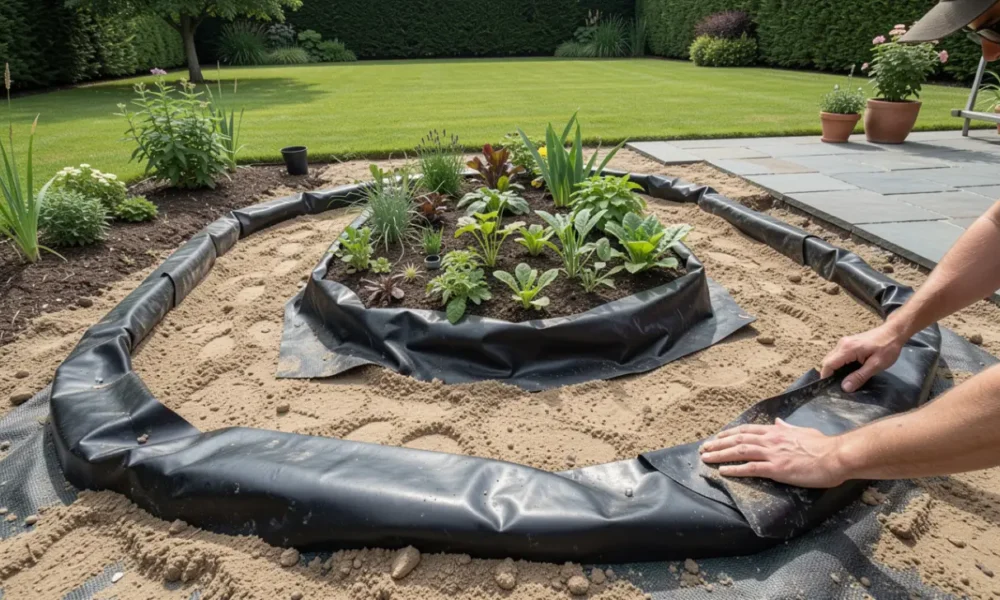
Installing a garden pond is one of the most effective ways to enhance your outdoor space and support local wildlife. For DIY enthusiasts in the UK, a butyl pond liner is often the material of choice due to its proven longevity and flexibility. Butyl rubber, a synthetic elastomer, is primarily composed of isobutylene with a small amount of isoprene. This composition gives it exceptional impermeability to gases and water, making it ideally suited for containing water in garden features. Its popularity in the UK market is specifically tied to its robust resistance to UV radiation, low temperatures, and the variable weather conditions that characterize British seasons.
Table Of Content
- Phase 1: Planning and Material Selection
- 1.1 Determining Pond Size, Shape, and Location
- 1.2 Calculating Butyl Liner Dimensions
- 1.3 Gathering Necessary Tools and Materials
- Phase 2: Site Preparation
- 2.1 Excavation and Creating a Level Base
- 2.2 Dealing with Soil and Surface Issues
- 2.3 Installing Geotextile Underlay for Added Protection
- Phase 3: Laying and Securing the Butyl Liner
- 3.1 Positioning and Unfolding the Liner
- 3.2 Shaping the Liner into Corners and Curves
- 3.3 Temporarily Securing the Liner
- Phase 4: Filling, Finalizing, and Testing
- 4.1 Slow Filling and Final Adjustments
- 4.2 Trimming Excess Liner and Edging
- 4.3 Conducting a Leak Test
- Phase 5: Ongoing Maintenance for Longevity
- 5.1 Regular Inspection and Cleaning
- 5.2 Addressing Tears or Damage
- 5.3 Winterizing Your Pond
- Conclusion
- Frequently Asked Questions (FAQ)
A butyl liner conforms easily to the unique contours of a pond excavation, allowing for naturalistic designs with varying depths, shelves for aquatic plants, and gentle slopes. It provides a reliable, long-term foundation for a healthy pond ecosystem, safe for all aquatic life, including fish and plants . This guide will walk you through the entire installation process, ensuring your project is built to last.
Phase 1: Planning and Material Selection
Before any ground is broken, careful planning is essential. This phase ensures you purchase the correct materials and avoid common pitfalls during installation.
1.1 Determining Pond Size, Shape, and Location
Begin by assessing your available space and deciding on the pond’s purpose. Is it primarily for wildlife, ornamental fish like koi, or visual aesthetics? The location should receive ample sunlight—ideally for part of the day—to support aquatic plants and attract wildlife like dragonflies and frogs . void areas directly under large trees, as falling leaves and root growth can complicate maintenance and potentially damage the liner over time.
Sketch your desired shape using a rope or hose directly on the ground. Consider incorporating different depth zones:
- A shallow “beach” area or gentle slope for wildlife to access the water easily.
- Deeper areas (at least 60-75cm) are provided to provide a refuge for aquatic life during harsh winters.
1.2 Calculating Butyl Liner Dimensions
Accurate calculation prevents costly mistakes. You need to determine the required liner size based on your pond’s maximum length, width, and depth. The standard formula is:
- Liner Length = Maximum Pond Length + (2 x Maximum Depth) + 1m (for edging)
- Liner Width = Maximum Pond Width + (2 x Maximum Depth) + 1m (for edging)
The additional meter (0.5m on each side) allows for anchoring the liner around the pond’s perimeter. For complex shapes with shelves or irregular contours, it is wise to add a little extra to ensure complete coverage. Many suppliers, including Butek Ponds, offer made-to-measure liners to perfectly fit your excavation.
1.3 Gathering Necessary Tools and Materials
Having everything on hand before you start will streamline the process.
- Essential Tools: Spade or mini-digger, shovel, plank of wood, spirit level, tape measure, scissors, or a utility knife.
- Core Materials: Butyl pond liner (calculated size), geotextile underlay, and water (rainwater is preferred)
- Protective Materials: Building sand for creating a smooth base layer.
- Finishing Materials: Large rocks, flagstones, or turf for securing and concealing the liner edges.
Phase 2: Site Preparation
Proper site preparation is the most critical factor in protecting your butyl liner from punctures and ensuring a stable final result.
2.1 Excavation and Creating a Level Base
Mark out your pond shape on the ground with a rope or hose and begin excavating. Dig in stages, creating the different depth zones you planned. As you dig, use a plank of wood placed across the hole with a spirit level on top to continuously check that the edges and shelves are level. An uneven rim will make the finished pond look distorted and make edging difficult.
2.2 Dealing with Soil and Surface Issues
Once excavation is complete, meticulously remove all sharp stones, roots, and any other debris from the soil surface . These can cause weak points or punctures in the liner over time. For the final base preparation, add a 5cm (2-inch) layer of soft building sand over the entire excavated area . This creates a smooth, forgiving bed that cushions the liner. Firmly compact any loose soil to prevent future sinking.
2.3 Installing Geotextile Underlay for Added Protection
After the sand layer, install a geotextile underlay. This is a non-woven, puncture-resistant fabric (often polypropylene) that provides an additional, crucial protective barrier between the sand and the butyl liner . It acts as a shield against sharp objects that might work their way through the sand and provides extra cushioning against ground pressure. Lay the underlay in strips, overlapping the edges by at least 30-50cm. Smooth out any wrinkles, as these can create voids where stress could concentrate. Butek Ponds recommends using underlay for all installations to protect against roots, pebbles, or rough surfaces .
Phase 3: Laying and Securing the Butyl Liner
With the site prepared, you can now position the liner. This step is best performed on a warm, sunny day when the butyl rubber is at its most flexible and easiest to manipulate.
3.1 Positioning and Unfolding the Liner
Carefully move the folded or rolled liner to the edge of the excavation. It is heavy, so enlist help for larger ponds. Drape the liner loosely over the hole, ensuring you have roughly even overhang on all sides. Do not attempt to drag the liner across the ground once it’s unfolded, as this can cause damage. Let the liner settle into the hole under its own weight as much as possible.
3.2 Shaping the Liner into Corners and Curves
Begin gently working the liner into the contours of the pond. The key is to create neat, orderly folds rather than trying to stretch the material flat, which can create thin spots. On shelves and in corners, create large, flat pleats that lie smoothly against the sides and base. This technique, sometimes called “pleating,” allows the liner to conform to the shape without undue stress.Take your time with this process to achieve a good fit.
3.3 Temporarily Securing the Liner
Once the liner is shaped, place heavy stones or bricks around the perimeter to hold it in place. This prevents it from slipping as you begin to fill the pond with water.
Phase 4: Filling, Finalizing, and Testing
Filling the pond is an exciting step, as the water weight will complete the shaping of the liner.
4.1 Slow Filling and Final Adjustments
Begin filling the pond slowly with a hose. If using tap water, let it stand in a bucket for a few days before adding it to dechlorinate, or use a pond dechlorinator. Rainwater collected in water butts is the best option for filling a new pond, as it is free of chemicals and naturally soft. As the water level rises, the weight will press the liner firmly against the underlay and sand. During this process, you can make minor adjustments to the perimeter folds and remove the temporary securing stones.
4.2 Trimming Excess Liner and Edging
Once the pond is full, allow it to settle for 24 hours. After this, you can trim the excess liner, leaving at least 15-20cm of overlap around the entire edge. This overlap will be tucked under your edging materials. Dig a shallow trench around the pond’s perimeter. Tuck the excess liner into this trench and backfill with soil to anchor it securely. Then, conceal the exposed liner with your chosen edging—flagstones, turf, gravel, or large rocks—creating a natural-looking transition from pond to garden.
4.3 Conducting a Leak Test
A properly installed butyl liner should not leak. However, it is prudent to observe the water level for several days after filling. A drop in level is normal due to evaporation, especially in warm weather. A significant, continuous drop indicates a leak. If a leak is suspected, check the area around any folds or where plants or rocks may have been placed. Small punctures or tears can be effectively repaired without draining the entire pond using a butyl liner repair kit. Clean and dry the area around the damage thoroughly, and apply the patch according to the kit’s instructions.
Phase 5: Ongoing Maintenance for Longevity
A butyl pond liner is a long-term investment. With proper care, it can last for 25 years or more.
5.1 Regular Inspection and Cleaning
Routine maintenance helps prevent issues. Schedule seasonal inspections to check for damage from wildlife or garden tools. Remove fallen leaves and debris from the surface with a net to prevent them from decomposing and affecting water quality. Trim back overhanging plants and marginal vegetation to prevent them from overshadowing the pond excessively.
5.2 Addressing Tears or Damage
Despite your best efforts, accidental damage can occur. If you discover a tear or puncture, address it promptly. Butyl rubber is easy to repair. As mentioned, a quality repair kit will provide a durable, watertight seal. For larger areas of damage, consulting a professional may be necessary
5.3 Winterizing Your Pond
The flexibility of butyl rubber makes it highly resilient to frost. To protect your pond ecosystem during winter, you can float a ball or a pan of hot water on the surface to create a small hole for gas exchange, or use a low-wattage pond heater or de-icer to prevent complete freezing over this. This is especially important in ponds containing fish.
Conclusion
Installing a butyl pond liner is a rewarding DIY project that creates a stunning and durable water feature. By following this comprehensive guide—from meticulous site preparation and using protective underlay to careful installation and regular maintenance—you ensure a watertight foundation for your garden pond. The resilience of butyl to the UK’s variable climate means your pond will remain a vibrant and attractive focal point for years to come, providing a thriving habitat for wildlife and endless enjoyment for you.
Frequently Asked Questions (FAQ)
What is the difference between Butyl and EPDM pond liners? Both are synthetic rubbers, but Butyl is generally considered a longer-lasting, premium material. It offers superior resistance to UV radiation and damage from plant roots or wildlife, which is why manufacturers like Butek Ponds can offer longer warranties on Butyl products compared to standard EPD. What thickness of butyl pond liner do I need? Butyl liners are typically available in 0.75mm and 1.00mm thicknesses. A 1.00mm liner is recommended if you are using only underlay for protection. A 0.75mm liner is suitable if you plan to use both an underlay and an overlay of soil or stone, which provides additional physical protection .
Do I need to use an underlay with my butyl liner? Yes, it is highly recommended. An underlay, such as a 3000 CBR rCBR-ratedextile, provides essential cushioning and protection against punctures from sharp stones, roots, or uneven ground, significantly extending the life of your pond liner.
Can I repair a hole or tear in my butyl liner? Yes, small tears and punctures in butyl liners can be easily repaired using a specialist pond liner repair kit. The key is to thoroughly clean and dry the damaged area before applying the patch to ensure a watertight seal
Is tap water safe to fill my new pond? While you can use tap water, it contains chlorine and chloramines that are harmful to aquatic life. It is far better to fill your pond with collected rainwater if possible . If you must use tap water, let it stand for several days before introducing fish or plants, or use a commercially available dechlorinator.