

Continuing Education for Dentists Improves Patient Care
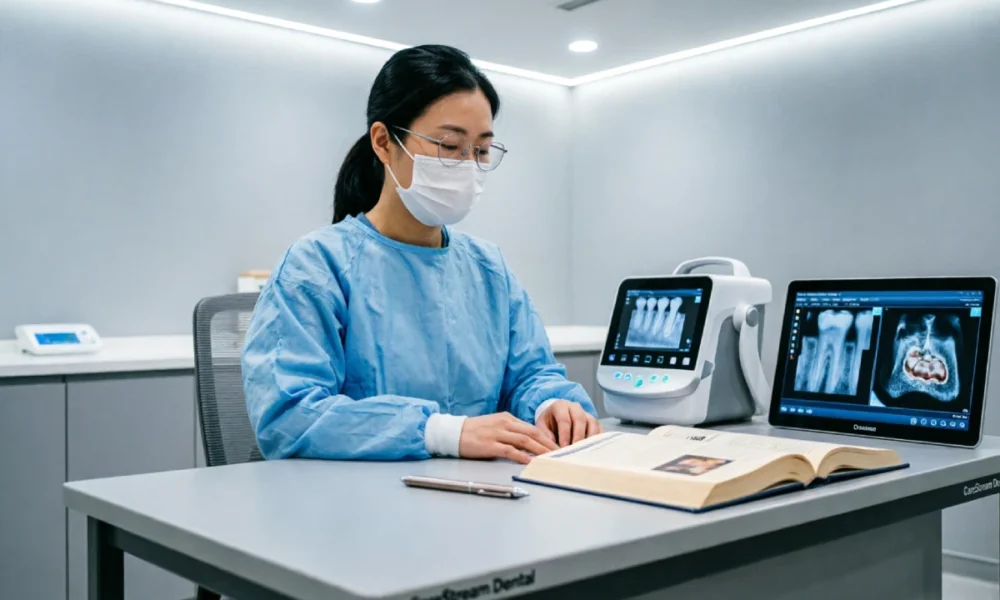
Dentistry does not stand still. New materials, updated techniques, and revised clinical guidelines appear every year, and a dentist who stops learning after graduation quickly falls behind. Most licensing boards recognize this and make continuing education for dentists a mandatory part of keeping a license active, with a set number of hours required each year. This requirement is not a formality. It reflects a simple truth: the standard of care in dentistry keeps changing, and patients deserve treatment based on current knowledge rather than outdated practices from dental school.
Table Of Content
- The Core Benefits of Continuing Education for Dental Professionals
- Using Technology and Innovation Through CE
- Enhancing Clinical Skills and Specialized Knowledge
- Meeting Modern Patient Needs and Expectations
- Boosting Career Advancement and Professional Development
- Practical Strategies to Start and Sustain Your CE Journey
- The Power of Community, Networking, and Collaboration
- The Future of Continuing Dental Education
- Conclusion: Invest in Your Education to Transform Your Practice and Patient Lives
Beyond licensing, CE protects patients from preventable errors. A dentist who understands the latest research on infection control, medication interactions, or diagnostic imaging is far less likely to make mistakes that could have been avoided with updated training. Insurance providers and malpractice carriers often view CE participation as a marker of a well-run practice, which can affect coverage terms. In short, continuing education sits at the center of professional accountability, not on the edges of it.
The Core Benefits of Continuing Education for Dental Professionals
The advantages of ongoing learning extend well past compliance. Dentists who pursue CE regularly report higher confidence in complex procedures, fewer referrals for cases they could have handled themselves, and better outcomes overall. Learning new techniques directly translates into a wider range of services a practice can offer, which often means patients no longer need to seek specialists for routine advanced care.
CE also strengthens diagnostic accuracy. Courses on oral pathology, radiography, and systemic health connections help dentists catch issues earlier, when treatment is simpler and less costly for the patient. There is a financial upside for the practice as well. Dentists who add new procedures to their skill set, such as clear aligner therapy or minor oral surgery, can generate additional revenue streams without needing to refer that work elsewhere. Staff members benefit too, since many CE courses are structured for the whole dental team, improving communication and reducing errors during procedures.
Using Technology and Innovation Through CE
Dental technology has changed dramatically over the past decade. Digital scanners, 3D printing, CAD/CAM systems, and AI-assisted diagnostic tools are now common in many practices, but knowing how to operate this equipment safely and effectively requires dedicated training. Without proper instruction, expensive technology often sits unused or is applied incorrectly, which wastes the practice’s investment and can compromise patient safety.
CE courses focused on technology give dentists hands-on experience before they introduce new tools into daily practice. This matters especially for equipment like cone-beam CT scanners or intraoral cameras, where incorrect use can lead to misdiagnosis. Staying current with technology also helps a practice remain competitive. Patients increasingly research their dentist online and expect modern, comfortable treatment options. A dentist who can offer same-day crowns or digital impressions, rather than the older mold-and-wait process, stands out in a crowded market. Technology training through CE is what turns a purchased device into a genuinely useful clinical tool.
Enhancing Clinical Skills and Specialized Knowledge
General dental education provides a broad foundation, but many conditions and procedures require deeper, more specific expertise. CE courses in areas such as periodontics, endodontics, orthodontics, and sleep dentistry allow general practitioners to build skills that go beyond what they learned in dental school. This is particularly valuable for dentists in smaller communities, where patients may not have easy access to specialists.
Hands-on workshops, in particular, offer something lectures cannot: the chance to practice a technique under supervision before performing it on a patient. Courses on implant placement, sedation dentistry, or advanced restorative work often include live patient demonstrations or simulation labs, giving dentists a safer path to mastering complicated procedures. Specialized knowledge also improves case selection. A dentist trained in the latest research on periodontal disease, for example, is better equipped to judge which patients need surgical intervention and which can be managed with less invasive methods. This kind of judgment develops through continued exposure to current clinical evidence, not from a single degree earned years earlier.
Meeting Modern Patient Needs and Expectations
Patients today are more informed and more selective than in previous decades. Many arrive at appointments having already researched their symptoms, treatment options, and even specific products online. Meeting this shift requires dentists who can speak knowledgeably about current treatment standards and answer detailed questions with confidence.
Patient expectations have also shifted toward comfort and convenience. Techniques learned through CE, such as minimally invasive procedures, laser dentistry, and improved anesthesia protocols, directly address common patient anxieties around pain and recovery time. Communication skills, often covered in CE programs alongside clinical content, help dentists explain treatment plans clearly and build the kind of trust that keeps patients returning. There is also a growing awareness of the connection between oral health and overall health. CE courses covering topics like the link between periodontal disease and cardiovascular conditions equip dentists to have more meaningful conversations with patients about their general wellbeing, not just their teeth.
Boosting Career Advancement and Professional Development
Continuing education plays a direct role in career growth. Dentists who complete advanced certifications in fields such as prosthodontics, oral surgery, or cosmetic dentistry open doors to higher earning potential and greater professional recognition. Certifications and specialized training also make a dentist more attractive as a partner or associate for practices looking to expand their service offerings.
For dentists who own their practice, CE often translates into better business decisions. Courses on practice management, patient communication, and team leadership address the operational side of dentistry that dental school rarely covers in depth. Building a reputation as a knowledgeable, current practitioner also supports long-term career stability. Patients tend to stay loyal to dentists they perceive as competent and up to date, and word-of-mouth referrals often follow a dentist’s reputation for quality care built through visible expertise.
Practical Strategies to Start and Sustain Your CE Journey
Getting started with CE does not require an overwhelming commitment. A practical approach is to begin by reviewing state licensing requirements to understand the minimum hours needed, then build a personal plan around specific interests or gaps in clinical knowledge. Setting aside a fixed budget and calendar time each year, rather than scrambling before a renewal deadline, makes the process far less stressful.
Mixing course formats helps too. Online courses offer flexibility for busy schedules, while in-person workshops provide hands-on practice that video content cannot replicate. Many dentists find it useful to choose one or two areas of focus each year, such as implant dentistry one year and practice management the next, rather than spreading attention too thin across unrelated topics. Keeping organized records of completed courses, certificates, and hours is also essential, since licensing boards often request documentation during audits.
The Power of Community, Networking, and Collaboration
CE events bring together dentists from different backgrounds and levels of experience, creating natural opportunities for professional connection. Conferences, study clubs, and workshops allow dentists to exchange practical advice that rarely appears in textbooks, such as how to handle a difficult case or manage a particular piece of equipment.
These relationships often lead to referral partnerships, mentorship opportunities, and even collaborative research projects. Newer dentists in particular benefit from connecting with more experienced practitioners who can offer guidance on both clinical and business challenges. Study clubs, in particular, offer a lower-pressure setting for ongoing learning, where small groups of local dentists meet regularly to review cases and discuss recent developments. This kind of peer support helps counter the isolation that can come with running an independent practice.
The Future of Continuing Dental Education
CE delivery methods continue to change alongside the profession itself. Virtual reality simulations, interactive online modules, and AI-driven learning platforms are beginning to supplement traditional lectures, offering more realistic practice scenarios without the cost or risk of live patient treatment. These tools are likely to become more common as they improve, making advanced training more accessible to dentists outside major cities.
Regulatory bodies are also adjusting CE requirements to reflect emerging concerns, including infection control updates, opioid prescribing guidelines, and data privacy for digital patient records. Dentists who stay ahead of these changes, rather than waiting for mandatory updates, position themselves better for whatever shifts come next in the profession.
Conclusion: Invest in Your Education to Transform Your Practice and Patient Lives
Continuing education is not a checkbox to clear before a license renewal. It is the mechanism through which dentists stay capable, safe, and relevant in a field that keeps advancing. The benefits extend across every part of a practice: better clinical outcomes, stronger patient relationships, new revenue opportunities, and a more resilient career overall. Dentists who treat CE as an ongoing investment, rather than an annual obligation, tend to build practices that patients trust and recommend for years to come.