

CoolSculpting: How the Fat Freezing Procedure Works and What to Expect
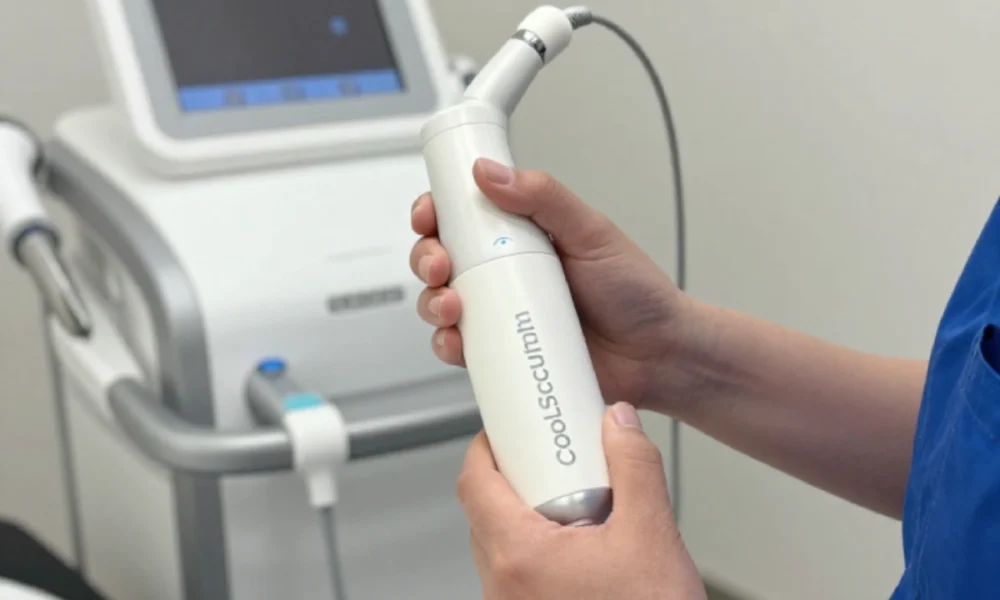
CoolSculpting is a noninvasive cosmetic procedure designed to reduce localized fat deposits in specific areas of the body. Also known by its technical name, cryolipolysis, this FDA-cleared treatment uses controlled cooling to target fat cells beneath the skin without surgery or downtime.
Table Of Content
- How CoolSculpting Technology Works
- What Happens During a CoolSculpting Session
- Common Treatment Areas
- Expected Results and Timeline
- Potential Side Effects and Risks
- Who Should Consider CoolSculpting
- Who Should Avoid CoolSculpting
- Choosing a Provider
- Cost Considerations
- Alternatives to CoolSculpting
- Making an Informed Decision
Unlike liposuction or other surgical fat removal methods, CoolSculpting does not require incisions, anesthesia, or extended recovery periods. The procedure has become widely available at medical spas, dermatology clinics, and cosmetic surgery centers.
This guide explains how CoolSculpting works, what happens during treatment, expected results, potential risks, and important considerations for anyone exploring this option.
How CoolSculpting Technology Works
CoolSculpting relies on the principle that fat cells are more vulnerable to cold temperatures than surrounding tissues like skin, nerves, and muscle.
During treatment, a device applies controlled cooling to the targeted area. Fat cells exposed to this specific temperature range undergo a process called apoptosis, a natural form of cell death. Over the following weeks and months, the body’s lymphatic system gradually processes and eliminates these damaged fat cells.
The procedure does not remove fat instantly. Results appear gradually as the body metabolizes the treated cells, typically becoming noticeable within three weeks to three months after treatment.
What Happens During a CoolSculpting Session
A typical CoolSculpting treatment follows these steps:
The practitioner marks the treatment area and positions an applicator on the skin. The device uses vacuum suction to draw tissue into the applicator cup while delivering controlled cooling.
Most patients experience intense cold and pressure sensations during the first few minutes. These sensations typically diminish as the area becomes numb from the cooling effect.
Treatment duration varies by area but generally ranges from 35 to 60 minutes per site. Some practices use multiple applicators simultaneously to treat different areas during one session.
After the applicator is removed, the practitioner may massage the treated area to break up frozen tissue and potentially improve results.
Patients can typically resume normal activities immediately after treatment, as no recovery period is required.
Common Treatment Areas
CoolSculpting is approved for fat reduction in several body areas:
Abdomen and flanks (love handles) are among the most commonly treated zones. The procedure can address both the upper and lower abdominal regions.
Thighs, both inner and outer, can be treated to reduce bulges and improve contour.
Upper arms, submental area (under the chin), and bra fat along the back and sides are also approved treatment sites.
The procedure is not intended for overall weight loss. It targets specific pockets of fat that remain resistant to diet and exercise.
Expected Results and Timeline
CoolSculpting results vary between individuals based on factors including the treatment area, amount of fat present, and individual body response.
Clinical studies have shown fat reduction ranging from 20% to 25% in treated areas after a single session. Some people require multiple treatments to achieve desired results.
Changes become visible gradually. Initial improvements may appear around three weeks post-treatment, with most noticeable results developing between two and three months. The body may continue processing treated fat cells for up to six months.
Results are considered permanent for the eliminated fat cells, as adult bodies do not generate new fat cells. However, remaining fat cells can still expand with weight gain, potentially affecting the treated area’s appearance over time.
Potential Side Effects and Risks
Most CoolSculpting side effects are temporary and resolve without intervention.
Common short-term effects include redness, swelling, bruising, tenderness, cramping, itching, and numbness in the treated area. These typically subside within days to weeks.
Some patients experience tingling or stinging sensations as feeling returns to the treated area during the healing process.
A rare but documented complication called paradoxical adipose hyperplasia (PAH) causes the treated area to increase in size rather than decrease. This occurs in approximately 0.005% to 0.14% of procedures and requires surgical intervention to correct. The exact cause remains unclear.
Nerve-related symptoms including pain or altered sensation can occur but typically resolve within several weeks.
Who Should Consider CoolSculpting
CoolSculpting may be appropriate for individuals who:
Are at or near their goal weight but struggle with localized fat deposits that do not respond to diet and exercise.
Have realistic expectations about gradual, moderate fat reduction rather than dramatic transformation.
Prefer noninvasive options and want to avoid surgery-related risks and recovery time.
Who Should Avoid CoolSculpting
The procedure is not recommended for individuals with:
Cryoglobulinemia, cold agglutinin disease, or paroxysmal cold hemoglobinuria, conditions where cold exposure can cause serious complications.
Pregnancy or plans to become pregnant in the near future.
Significant amounts of weight to lose, as CoolSculpting is not a weight loss treatment.
Loose or sagging skin, which the procedure cannot tighten or improve.
Choosing a Provider
CoolSculpting should be performed by qualified medical professionals with proper training in the procedure.
When selecting a provider, consider:
Professional credentials and medical background. Board-certified dermatologists, plastic surgeons, and trained medical professionals typically perform these treatments.
Experience level with CoolSculpting specifically, including the number of procedures performed and years offering the treatment.
Facility cleanliness, equipment maintenance, and adherence to safety protocols.
Consultation quality, including whether the provider assesses your candidacy, discusses realistic expectations, and explains potential risks clearly.
Reviews and before-and-after photos from actual patients treated at that location.
Cost Considerations
CoolSculpting is considered a cosmetic procedure and is not covered by health insurance.
Treatment costs vary widely based on geographic location, provider experience, number of areas treated, and how many sessions are needed. Prices typically range from several hundred to several thousand dollars per treatment area.
Some practices offer package pricing for multiple areas or sessions. Always verify what is included in quoted prices, such as consultation fees, follow-up visits, and any additional treatments that may be recommended.
Alternatives to CoolSculpting
Other noninvasive or minimally invasive fat reduction options include:
Radiofrequency treatments that use heat to target fat cells.
Ultrasound-based procedures that disrupt fat cell membranes.
Injection-based treatments approved for specific areas like submental fat.
Surgical liposuction, which removes fat through suction and provides more immediate, dramatic results but requires anesthesia and recovery time.
Each option has distinct advantages, limitations, and risk profiles. A consultation with a qualified medical provider can help determine which approach aligns best with individual goals and health status.
Making an Informed Decision
CoolSculpting offers a noninvasive approach to reducing localized fat deposits, but it is not appropriate for everyone and does not replace healthy lifestyle habits.
Before pursuing treatment, schedule consultations with qualified providers to discuss your specific situation, understand realistic outcomes, and ensure you are a suitable candidate. Ask detailed questions about the provider’s experience, the equipment used, potential risks, and what to expect during recovery.
Remember that any cosmetic procedure carries risks. Prioritize safety and realistic expectations over cost or convenience when making decisions about body contouring treatments.