

How to Create a Fitness Routine: A Step-by-Step Guide
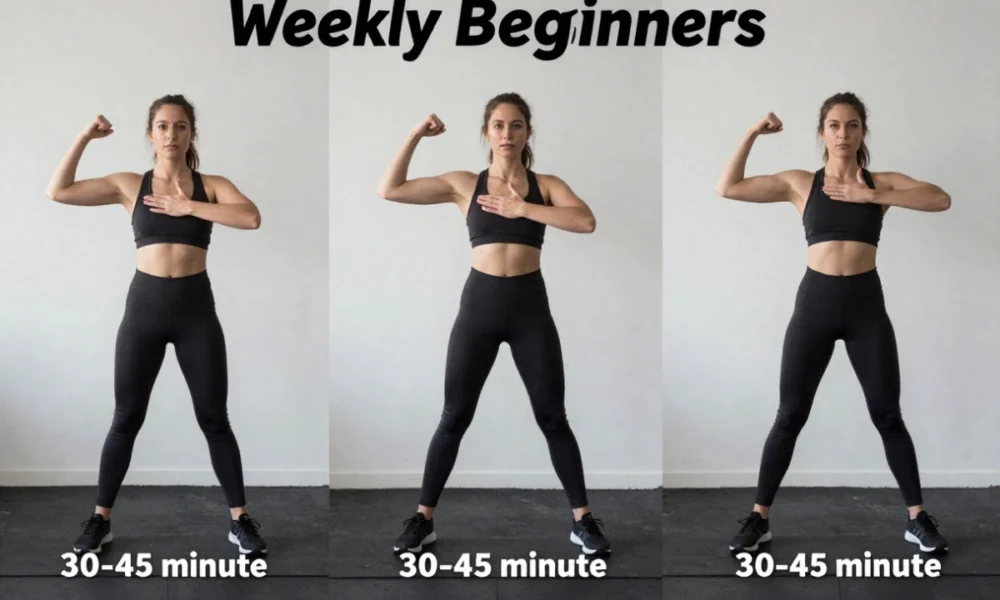
Fitness looks different for everyone. Some people prefer lifting weights in the gym, others enjoy running with groups, and some practice yoga outdoors.
Table Of Content
- How to Create a Fitness Routine
- Identifying Personal Fitness Goals and Motivations
- Setting Realistic and Achievable Objectives
- The Role of Mindset in Achieving Success
- Assessing Your Current Fitness Level
- Conduct a Self-Assessment
- Identify Areas for Improvement
- Designing a Balanced Fitness Routine
- Importance of Balance
- Mix Up Cardio, Strength, and Flexibility
- Choosing the Right Workouts for Your Goals
- Selecting Effective Exercises
- Incorporate Variety and Cross-Training
- Creating a Sustainable Fitness Lifestyle
- Make Exercise a Daily Ritual
- Set Realistic Expectations
- Fuel and Recover Properly
- Overcoming Common Fitness Challenges
- Conclusion
Regardless of your preferred activities, effective fitness routines share common elements. You need clearly defined goals, an understanding of your current abilities, a balanced workout plan, appropriate exercise selections, lifestyle integration, and strategies to handle challenges.
This guide provides step-by-step instructions for creating a fitness routine tailored to your goals and needs. Whether you’re starting fresh or refining an existing plan, these strategies support long-term success.
Regular exercise provides measurable improvements to your health and wellbeing:
- Improved cardiovascular and muscular health
- Reduced risk of chronic illness
- Better mental health and cognitive function
- Increased energy and stamina
- Enhanced self-confidence
- Support for weight management goals
- Improved sleep quality and stress management
- Sense of accomplishment
These benefits extend beyond appearance to nearly every aspect of your physical and mental health.
How to Create a Fitness Routine
Start by identifying specific fitness goals that matter to you. Assess your current abilities honestly to set realistic targets. Design a balanced weekly schedule that includes cardiovascular exercise, strength training, and flexibility work. Choose exercises that directly support your goals. Build exercise into your daily routine through scheduling and habit formation. Track progress regularly and adjust your plan as your fitness improves.
Clear goals prevent your fitness plan from becoming aimless. Without defined targets, maintaining consistency becomes significantly harder.
Identifying Personal Fitness Goals and Motivations
Define what you want to achieve from exercising:
- Lose weight
- Gain strength
- Improve cardiovascular health
- Complete an athletic event
- Enhance mental health and wellbeing
- Build self-confidence
Your goals may include several of these targets. Write them down to maintain focus on why you’re committing time and effort to exercise.
Setting Realistic and Achievable Objectives
Ambitious goals are valuable, but unrealistic expectations lead to frustration and burnout. If you’ve never run before, planning a marathon in three months sets you up for failure. Similarly, jumping from no exercise to intense daily workouts often backfires.
Focus on measurable progress markers:
- Frequency of exercise per week
- Duration of cardiovascular workouts
- Weight lifted or repetitions completed
- Level of exertion and intensity
- Skills learned and milestones achieved
These metrics help you track advancement and recognize progress.
The Role of Mindset in Achieving Success
Your mindset directly affects your ability to maintain an exercise routine and work through difficult periods.
Helpful mindset approaches for fitness consistency:
- Treat exercise as necessary self-care
- Focus on consistency over perfection
- Find satisfaction in effort and improvement
- Recognize small daily achievements
- Exercise primarily for yourself, not external validation
These perspectives support long-term adherence better than motivation alone.
Assessing Your Current Fitness Level
An honest assessment of your current abilities helps you set appropriate goals and design a suitable exercise plan.
Conduct a Self-Assessment
Evaluate your baseline fitness:
- How many days per week do you currently exercise?
- Can you walk or run a mile continuously?
- How long can you swim or bike without stopping?
- What weights can you lift comfortably?
- How many pushups or situps can you complete?
- Do you have any pain, injuries, or mobility limitations?
Test basic cardiovascular capacity, strength, flexibility, and coordination. Consider taking before photos for reference.
Identify Areas for Improvement
Determine which fitness components you want to develop:
- Cardiovascular endurance: How long you can sustain aerobic activity
- Muscular strength and endurance: Force production and repetition capacity
- Flexibility, balance, and coordination: Range of motion and movement control
- Body composition: Ratio of muscle to fat tissue
- Specific skills: Performance in particular sports or activities
Establish concrete baseline metrics in these categories to track against.
Check in regularly on your advancement and modify your routine based on results. Compare yourself only to your previous performance, not others or arbitrary standards. Remain patient while maintaining consistent effort toward your targets.
Designing a Balanced Fitness Routine
A complete fitness program includes multiple training types to develop comprehensive fitness and prevent overuse injuries.
Importance of Balance
Include these components in your weekly routine:
- Cardiovascular training: Improves heart health and aerobic capacity
- Strength training: Builds muscle tissue and increases force production
- Flexibility work: Maintains mobility and reduces injury risk
- Rest and recovery: Allows physical adaptation and tissue repair
Imbalanced programs lead to plateaus and increase injury risk. Variety supports progress across all fitness aspects.
Mix Up Cardio, Strength, and Flexibility
Use this template for a balanced weekly schedule:
- 2-3 days of cardiovascular exercise (running, swimming, cycling)
- 2-3 days of strength training (weights, resistance bands, bodyweight exercises)
- Daily flexibility training (stretching, yoga, mobility work)
- 1-2 rest days without formal exercise
Start conservatively and increase volume gradually as your fitness improves. Rest days are essential for fitness gains, not optional. Training hard every day leads to fatigue, plateaus, and elevated injury risk. Your body adapts and strengthens during recovery, not during the workout itself. Eat adequately, sleep well, and pay attention to signs of excessive fatigue or persistent soreness.
Choosing the Right Workouts for Your Goals
Select specific exercises that directly support your identified goals and match your current abilities.
Selecting Effective Exercises
Match exercises to your objectives:
- Cardiovascular endurance: Distance running, interval training, swimming, cycling
- Muscle building: Compound movements like squats, deadlifts, bench press, rows
- Flexibility: Sustained stretching routines, yoga sequences, mobility drills
- Skill development: Sport-specific drills that develop technique, timing, and coordination
Research which exercises most efficiently target your specific goals, or consult qualified fitness professionals.
Incorporate Variety and Cross-Training
While maintaining core workout consistency, periodically incorporate new activities.
Benefits of variation:
- Prevents mental burnout from excessive repetition
- Provides new stimulus for continued physical adaptation
- Develops broader athletic capability
- Maintains long-term engagement
Try a new activity, class, or workout variation at least monthly to keep your routine effective and engaging.
Showing up regularly matters more than specific workout details. The best exercise plan only works when consistently executed. Target at least three sessions per week, lasting 30-60 minutes, based on your schedule and current ability. Even 20-30 minute sessions provide meaningful benefits. Motivation fluctuates naturally. Consistent action regardless of motivation produces lasting results.
Creating a Sustainable Fitness Lifestyle
Long-term success requires integrating fitness into your lifestyle rather than treating it as a temporary project.
Make Exercise a Daily Ritual
Build exercise into your non-negotiable routine using these strategies:
- Exercise first thing in the morning before other priorities accumulate
- Schedule workouts in your calendar like any other commitment
- Pair physical activity with existing habits (walking after dinner)
- Set up a dedicated workout space or equipment at home
- Prepare gym bag and clothes the night before
- Find an accountability partner to reinforce the habit
With consistent repetition, exercise becomes automatic rather than requiring constant motivation.
Set Realistic Expectations
Discouragement often results from mismatched expectations and reality.
Set yourself up for sustained effort by:
- Starting conservatively to build capacity gradually
- Recognizing motivation varies day to day
- Understanding progress accumulates slowly over time
- Avoiding all-or-nothing perfectionist thinking
- Viewing exercise as beneficial self-care, not punishment
Stay focused by celebrating incremental improvements and remembering long-term benefits.
Fuel and Recover Properly
Support your fitness regimen with adequate nutrition and rest. Workouts stress your body—proper fueling and recovery enable adaptation.
- Eat nutritious whole foods to power performance
- Hydrate before, during, and after exercise
- Prioritize sleep for muscle recovery and strength gains
- Monitor soreness and adjust intensity accordingly
- Include rest days and mobility work to prevent overtraining
Effective fitness combines exercise with supportive daily habits.
Overcoming Common Fitness Challenges
Every fitness journey includes obstacles and setbacks. Preparation and strategy make these challenges more manageable.
Motivation naturally fluctuates. When determination lags, reconnect with your core reasons for exercising. Commit to starting the workout—momentum often builds once you begin. Aim for a shorter session if a full workout feels overwhelming.
Ask others to provide accountability on low-motivation days. Accept that occasional off days are normal. The goal is to minimize their frequency, not eliminate them.
Maintain consistency when life gets busy using these tactics:
- Find a regular workout partner who depends on you
- Join scheduled fitness classes with fixed times
- Track workouts on a visible calendar
- Set phone or smartwatch reminders
- Establish rewards or consequences tied to adherence
- Share progress publicly for external accountability
Make exercise as automatic and accessible as possible. The more ingrained the habit, the less willpower required.
Expect occasional setbacks, including missed workouts, plateaus, injuries, or stalled progress. Seek support from friends, family, coaches, or fitness communities when needed. Identify what caused the roadblock and adjust your approach accordingly. Patience and persistence eventually produce results. Any sustained fitness effort provides valuable benefits, even if progress feels slow.
Conclusion
Creating an effective fitness routine requires planning, commitment, and consistency. This guide provides a comprehensive framework for designing a workout plan suited to your goals and lifestyle.
Key steps for fitness success:
- Clarify motivations and set specific, realistic goals
- Assess your current abilities honestly
- Design a balanced weekly schedule focusing on gradual progression
- Select activities aligned with your objectives and capacity
- Build exercise into your daily routine through deliberate habit formation
- Adopt mindsets and behaviors that support long-term consistency
- Seek support when facing obstacles
Apply these strategies consistently, and you’ll develop the sustainable fitness routine that supports your health and wellbeing for years ahead.