

Custom Hair Products: Benefits, Types & How to Make Your Own at Home
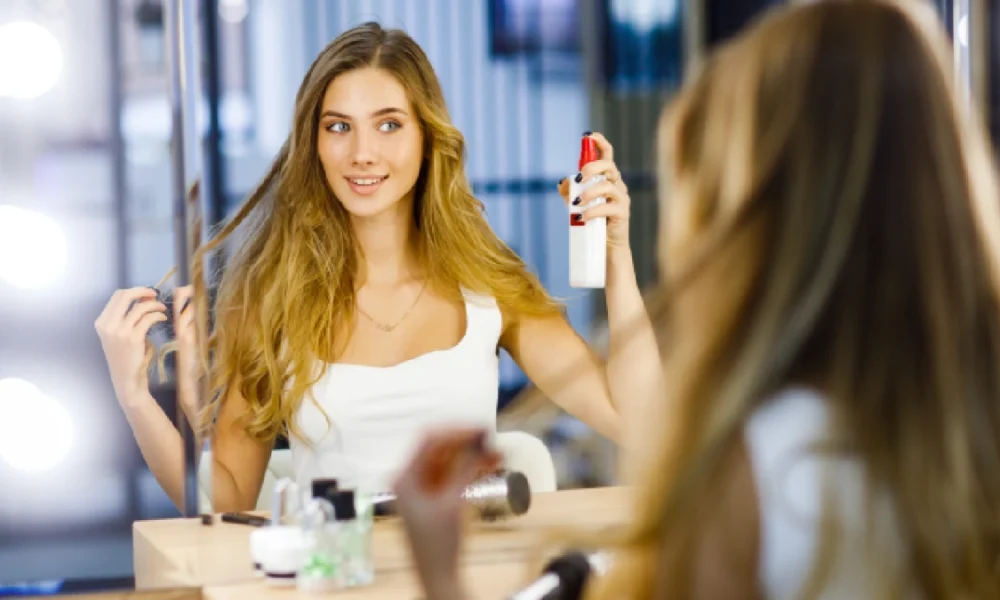
Custom Hair Products: Benefits, Types & How to Make Your Own at Home Finding hair products that work with your specific hair type can be frustrating. Custom hair products solve this problem by allowing you to create formulations designed specifically for your hair’s unique needs, texture, and concerns.
Table Of Content
- Introduction
- Benefits of Custom Hair Products
- Enhance Your Hair’s Natural Qualities
- Simplify Your Morning Routine
- Improve Hair Health
- Address Individual Needs
- Types of Custom Hair Products
- Custom Shampoos
- Custom Conditioners
- Custom Hair Masks
- Custom Serums
- Custom Scalp Scrubs
- Custom Hair Sprays
- How to Create Custom Hair Products
- Step 1: Determine Your Hair Type and Needs
- Step 2: Research and Select High-Quality Ingredients
- Step 3: Create a Base Recipe
- Step 4: Customize for Your Hair Type
- Step 5: Test and Refine
- Tips for Using Custom Hair Products
- Conclusion
Introduction
Most store-bought shampoos and conditioners are formulated for broad appeal, not individual needs. Your hair has specific requirements that generic products can’t address effectively.
Custom hair products are designed for your exact hair type and goals. You can create a hydrating shampoo for dry strands or a repair mask for color-damaged hair. This personalized approach delivers better results than one-size-fits-all options.
Benefits of Custom Hair Products
Enhance Your Hair’s Natural Qualities
Custom products work with your natural texture rather than against it. Add volume-boosting ingredients for thin hair or curl-enhancing emollients for wavy strands.
Simplify Your Morning Routine
Products formulated for your hair type reduce styling time. If you struggle with frizz, include smoothing ingredients that make your hair more manageable.
Improve Hair Health
Many commercial products contain fillers and harsh ingredients that damage hair over time. When you create your own, you choose nourishing ingredients without parabens or sulfates.
Address Individual Needs
No two heads of hair are identical. Damaged hair needs extra moisture, while oily scalps require gentler cleansers. You can adjust formulations to match your specific requirements.
Types of Custom Hair Products
Custom Shampoos
Create a shampoo with sulfate-free surfactants for color-treated or dry hair. Add herbal extracts like burdock root to balance an oily scalp.
Custom Conditioners
Your conditioner should provide moisture and slip to reduce tangles. Use lighter silicones for fine hair or thicker butters and oils for curly, thick hair.
Custom Hair Masks
Hair masks deliver intensive nourishment to dry or damaged strands. Choose ingredients like honey, olive oil, or avocado oil for deep hydration. Keratin and silk amino acids strengthen and repair damaged areas.
Custom Serums
Serums smooth flyaways, boost shine, and protect against heat styling. Try argan oil, vitamin E, or grapeseed oil combined with silicones for added protection.
Custom Scalp Scrubs
Exfoliating scrubs remove dead skin cells and product buildup, unclogging follicles. Make an invigorating scrub with sea salt, lemon juice, and tea tree essential oil, or try a gentler version with oatmeal, honey, and olive oil.
Custom Hair Sprays
Create a natural hair spray that holds style and adds moisture without harsh chemicals. Aloe vera gel and vegetable glycerine make excellent base ingredients.
How to Create Custom Hair Products
Step 1: Determine Your Hair Type and Needs
Identify your hair characteristics. Is your hair dry, oily at the roots, thin, or prone to frizz? Understanding your hair profile helps you select the right ingredients.
Step 2: Research and Select High-Quality Ingredients
Choose ingredients that address your specific concerns:
Nourishing Oils: Argan, coconut, olive, avocado, jojoba
Essential Oils: Lavender, rosemary, clary sage
Extracts & Butters: Shea butter, aloe vera, panthenol
Natural Surfactants: Cocamidopropyl betaine, sodium cocoyl isethionate
Purchase from reputable suppliers and check reviews to ensure ingredient quality.
Step 3: Create a Base Recipe
Combine ingredients into a base formula tailored to your product type:
Shampoos: Surfactant, hydrolyzed proteins, botanical extracts
Conditioners: Emulsifying wax, fatty alcohols, lightweight oils
Masks & Serums: Heavy oils and butters, carrier oils
Sprays: Aloe vera gel, essential oils, vegetable glycerine
Step 4: Customize for Your Hair Type
Adjust your base formula based on your needs:
Dry hair: Add more oils and butter
Oily hair: Use lighter oils or add clay
Color-treated hair: Include sunflower seed oil or keratin
Damaged hair: Try cocoa butter, honey, or silk amino acids
Step 5: Test and Refine
Before regular use, test your product for a few washes. Note how your hair looks and feels. Does it feel greasy, dry, frizzy, or limp? Make small adjustments until you achieve the results you want.
Tips for Using Custom Hair Products
Shampoo in sections: Work in quarter-sized amounts starting at the back of your scalp. Rinse thoroughly.
Let conditioner penetrate: After applying conditioner, wait 2-3 minutes before rinsing.
Use a wide-tooth comb: Gently detangle wet hair to avoid breakage.
Apply serums on damp hair: Scrunch a small amount into damp hair before styling.
Air dry when possible: Limit hot styling tools by embracing your natural texture.
Do occasional scalp massages: Use your fingertips to boost circulation.
Clarify monthly: Use an apple cider vinegar rinse to remove product buildup.
Conclusion
Custom hair products let you take control of your hair care routine. You select quality ingredients that target your specific hair type, texture, and concerns.
Creating your own products offers enhanced natural qualities, simplified styling, improved hair health, and personalized solutions. You can customize shampoos, conditioners, masks, serums, scrubs, and sprays.
Follow these steps: analyze your hair needs, research ingredients, design a base formula, customize for your hair type, and test until perfect.
Additional tips for success:
Store products in airtight containers in a cool, dark place. Shake before each use to mix contents. Add a natural preservative like vitamin E oil to extend shelf life. Ensure water constitutes at least 70% of your product. Use a precise scale when measuring ingredients. Avoid hard water when making products. Sanitize all containers and tools before use.
With practice, making custom hair products becomes quick and rewarding. You’ll save money while creating formulations more effective than anything available in stores.