

Debt Consolidation Loan Guide for Smart Borrowers Today
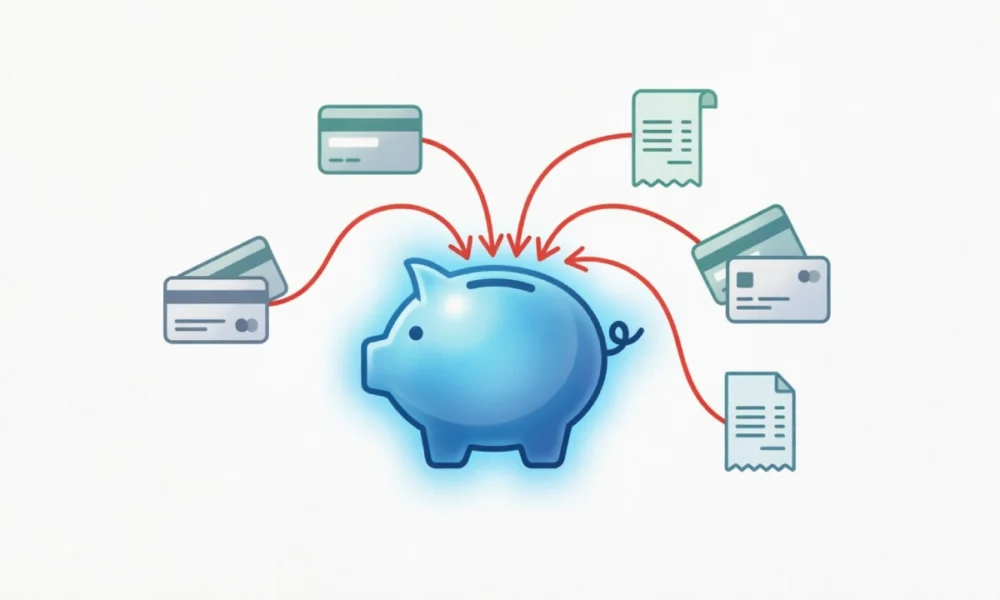
This debt consolidation loan guide starts with the basics. A debt consolidation loan is a new loan you take out specifically to pay off several existing debts — usually credit cards, medical bills, or other personal loans. Instead of juggling multiple due dates, interest rates, and minimum payments, you combine everything into one single loan with one monthly payment. The goal is simplicity and, ideally, a lower overall interest rate.
Table Of Content
- How Does a Debt Consolidation Loan Work?
- Types of Debt Consolidation Methods
- Balance Transfer Card vs. Debt Consolidation Loan: Which Is Better?
- Debt Consolidation vs. Debt Settlement: Know the Difference
- What Credit Score Do You Need for a Debt Consolidation Loan?
- How a Debt Consolidation Loan Affects Your Credit Score
- Pros and Cons of Debt Consolidation
- Who Should Consider a Debt Consolidation Loan?
- When Debt Consolidation Is a Bad Idea
- Common Debt Consolidation Loan Requirements and Eligibility
- Crucial Steps to Take Before You Consolidate Debt
- Try Free Credit Counseling Before Taking a Loan
- Hidden Costs and Fees to Watch Out For
- How to Get a Debt Consolidation Loan in 5 Steps
- How Much Can You Save? Use a Consolidation Calculator
- What If a Debt Consolidation Loan Isn’t Right for You?
- Frequently Asked Questions About Debt Consolidation Loans
- Will it hurt my credit?
- Can I get a loan with bad credit?
- What happens if I miss a payment?
- How long does it take?
How Does a Debt Consolidation Loan Work?
The process is straightforward. You apply with a bank, credit union, or online lender and get approved for a fixed loan amount. The lender either sends funds directly to your creditors or deposits the money into your account so you can pay them off yourself. From that point on, you make one fixed monthly payment to the new lender over a set term — typically two to seven years — until the loan is paid in full.
Types of Debt Consolidation Methods
There are several ways to consolidate debt. Personal loans are unsecured and based on your credit profile, offering fixed rates and predictable payments. Balance transfer credit cards let you move high-interest balances to a card with a low or 0% introductory APR for a limited time. Home equity loans or HELOCs use your house as collateral, often unlocking lower rates but adding risk if you can’t repay.
Balance Transfer Card vs. Debt Consolidation Loan: Which Is Better?
The right choice depends on your situation. A balance transfer card works well if you can pay off the debt quickly, within the promotional period, and avoid new charges. A personal loan is better suited for larger balances, longer repayment needs, or borrowers who want a fixed rate and structured payoff date rather than a revolving credit line that can tempt further spending.
Debt Consolidation vs. Debt Settlement: Know the Difference
These terms are often confused, but they are very different. Consolidation means paying your full debt through a new loan — your credit stays intact if you keep making payments. Debt settlement means negotiating with creditors to pay less than you owe, which typically requires falling behind on payments and causes serious, long-lasting damage to your credit score. Consolidation is almost always the less damaging path.
What Credit Score Do You Need for a Debt Consolidation Loan?
Most lenders want to see a credit score of at least 600–640 to qualify, though the best interest rates are reserved for borrowers with scores of 700 or higher. If your score is too low, the interest rate on a consolidation loan may end up higher than what you’re already paying, defeating the purpose of consolidating in the first place.
How a Debt Consolidation Loan Affects Your Credit Score
In the short term, applying triggers a hard inquiry and opens a new account, which can cause a small, temporary dip in your score. Over time, however, consolidation can help your credit by lowering your credit utilization ratio (since revolving balances are paid off) and by building a positive on-time payment history, provided you stay current on the new loan.
Pros and Cons of Debt Consolidation
Pros: one simplified monthly payment, potential interest savings, a clear and fixed payoff date, and reduced stress from managing multiple accounts.
Cons: origination or transfer fees, the risk of racking up new debt on now-empty credit cards, and — for secured loans like HELOCs — the risk of losing collateral if you default.
Who Should Consider a Debt Consolidation Loan?
Debt consolidation tends to make sense if you have high-interest credit card debt, good to excellent credit, stable income, a manageable debt-to-income ratio, and genuine readiness to stop overspending. It works best as a tool for people who are disciplined but simply need a more efficient repayment structure.
When Debt Consolidation Is a Bad Idea
Consolidation isn’t right for everyone. If your credit is poor, your debt load is unaffordable relative to your income, you haven’t addressed the spending habits that caused the debt, or your balance is small enough that fees would outweigh any savings, consolidation may do more harm than good.
Common Debt Consolidation Loan Requirements and Eligibility
Lenders typically look for a minimum credit score, a debt-to-income ratio below a certain threshold (often 40–50%), proof of steady income, and sometimes a cosigner if your credit profile is weak. Meeting these requirements is essential to securing favorable terms.
Crucial Steps to Take Before You Consolidate Debt
Before applying, take time to understand why you accumulated the debt in the first place. Build a realistic budget, cut unnecessary expenses, and check your credit report for errors. Addressing root causes ensures you don’t end up back in debt after consolidating.
Try Free Credit Counseling Before Taking a Loan
Nonprofit credit counseling agencies offer free, unbiased reviews of your financial situation. A counselor can help you understand whether consolidation, a debt management plan, or another strategy is the best fit — often before you commit to any loan.
Hidden Costs and Fees to Watch Out For
Watch for origination fees, balance transfer fees, closing costs on secured loans, and prepayment penalties. These charges can quietly erode the savings you expected from a lower interest rate, so always calculate the total cost of the loan, not just the monthly payment.
How to Get a Debt Consolidation Loan in 5 Steps
- Check your credit score.
- Prequalify with multiple lenders to compare rates without a hard inquiry.
- Compare offers based on APR, fees, and term length.
- Gather necessary documents, such as proof of income and existing debt statements.
- Submit a formal application and use the funds to pay off your creditors.
How Much Can You Save? Use a Consolidation Calculator
Consider a simple example: if you owe $15,000 across credit cards averaging 24% APR, you might pay far more in interest over time than with a consolidation loan at 12% APR over five years. Running your own numbers through a consolidation calculator helps you see the real dollar impact before committing.
What If a Debt Consolidation Loan Isn’t Right for You?
If you don’t qualify or consolidation doesn’t fit your situation, alternatives exist. The debt snowball method focuses on paying off smaller balances first for motivation. Debt management plans, arranged through nonprofit counselors, can lower interest rates without a new loan. Direct negotiation with creditors is another option worth exploring.
Frequently Asked Questions About Debt Consolidation Loans
Will it hurt my credit?
There may be a small, temporary dip, but responsible repayment often improves your score over time.
Can I get a loan with bad credit?
It’s possible, but expect higher rates or the need for a cosigner.
What happens if I miss a payment?
Late payments can trigger fees, higher rates, and damage to your credit score.
How long does it take?
Approval can happen within a few days, with funding often following shortly after.