
How to Eat Sustainably: A Practical Guide for 2026
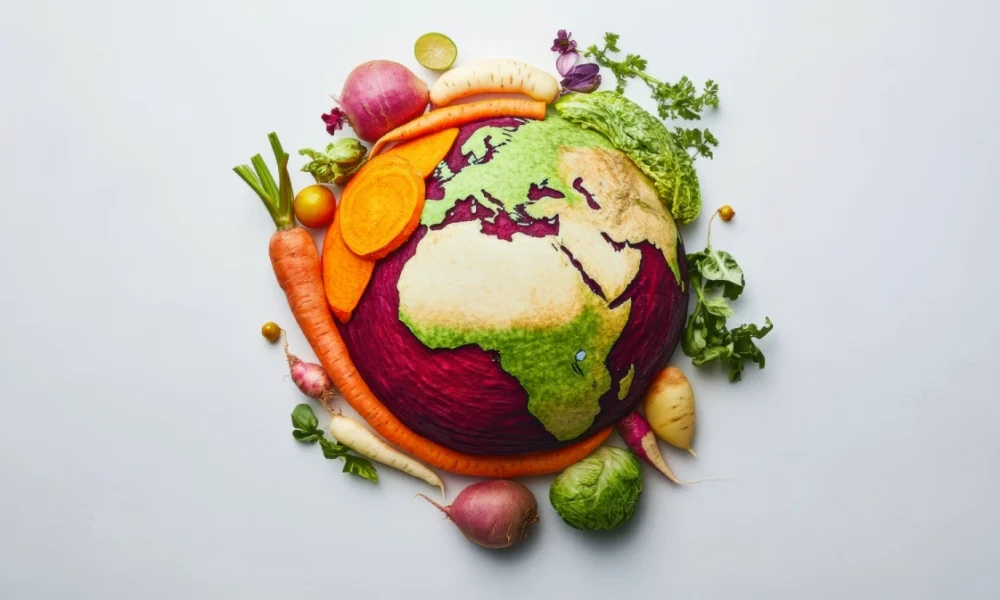
What is sustainable eating, and how can your food choices make a difference? As concerns about climate change and resource use grow, many people are looking for ways to align their diet with their environmental values. Sustainable eating involves choosing foods that are healthier for both you and the planet, focusing on how food is produced, transported, and consumed.
Table Of Content
This approach supports farming methods that use fewer resources, create less pollution, and protect natural ecosystems. The goal is to meet current food needs without compromising the ability of future generations to do the same. With a growing global population, making thoughtful food choices is a practical step toward long-term environmental health.
The Environmental Impact of Food Production
Our current food system has a significant effect on the planet. Understanding this impact shows why change is necessary. Food production accounts for roughly one-quarter of global greenhouse gas emissions. This includes emissions from farming, processing, transportation, and storage.
Different foods have different climate footprints. Beef and lamb production generates high emissions, partly due to methane from livestock. Dairy products also have a notable impact. Plant-based foods like grains, legumes, fruits, and vegetables generally have a much lower carbon footprint, especially when grown locally and in season.
Agriculture is also the largest user of freshwater worldwide, accounting for about 70% of withdrawals. Livestock farming uses a disproportionate share of this water and land. Furthermore, industrial agriculture is a major driver of biodiversity loss, as it often relies on a very limited number of plant and animal species.
Benefits of Sustainable Eating
Adopting a more sustainable diet offers multiple advantages. For personal health, diets rich in whole plant foods are linked to a lower risk of heart disease, diabetes, and other conditions. Eating more plants and fewer processed foods also reduces exposure to certain contaminants.
For the environment, sustainable choices directly lower greenhouse gas emissions, water use, and pollution. If widely adopted, these practices could cut agricultural emissions by more than half. This shift also supports stronger local economies and fairer conditions for food producers by shortening supply chains.
Practical Tips for Sustainable Eating
You can start making more eco-friendly food choices today with a few manageable steps. Focus on progress, not perfection. Small, consistent changes add up to meaningful impact over time.
First, try to reduce food waste. Plan your meals, store food correctly, and use leftovers creatively. Composting scraps keeps them out of landfills. Second, increase the proportion of plant-based foods in your meals. You don’t need to become a vegetarian overnight. Start with one meatless day per week and explore new recipes.
Third, choose local and seasonal produce when possible. This supports nearby farmers and reduces transportation emissions. Visit farmers’ markets or look for local labels in your grocery store. When you do buy animal products, select items from producers who follow higher welfare and environmental standards, such as organic or grass-fed.
How Consumer Choices Drive Change
Your purchasing decisions influence the entire food industry. Buying sustainably produced foods encourages companies to offer more of those options. Look for credible third-party certifications on labels, such as USDA Organic, Fair Trade, or Marine Stewardship Council (MSC).
Be aware that some marketing claims can be misleading. Terms like “natural” are not strictly regulated. Support companies and brands that are transparent about their sourcing and sustainability goals. You can also advocate for better policies and labeling standards by contacting food manufacturers and policymakers.
Overcoming Common Challenges
People often face barriers when trying to eat more sustainably. Concerns about cost, convenience, and cultural habits are common. While some sustainable options can be more expensive, staples like beans, lentils, and in-season vegetables are often budget-friendly. Meal planning can help manage costs and save time.
Cultural and taste preferences are important. The goal is to incorporate more sustainable options into your existing food traditions, not to replace them entirely. If you lack access to fresh, local food, supporting community programs that improve food access can be part of the solution.
Positive trends are making sustainable eating easier. Dietary guidelines in many countries now emphasize plant-based foods for health and environmental reasons. New technologies, like vertical farming and improved plant-based alternatives, are creating more options.
Carbon footprint labels on food products are also being tested, which could help consumers make informed choices quickly. A growing “flexitarian” movement, where people actively reduce but don’t eliminate meat, is gaining popularity, showing that partial shifts are widespread and effective.
Conclusion
Choosing a more sustainable diet is a powerful personal action for environmental health. By reducing waste, eating more plants, and supporting responsible producers, you contribute to a larger system-wide change. This collective effort is essential for building a food system that can nourish people without harming the planet.
Your influence extends beyond the grocery store. You can advocate for change in your community, support relevant organizations, and vote for leaders who prioritize sustainable agriculture. Every meal is an opportunity to make a choice that supports a healthier future.